
Europe’s cities get the headlines, but its small towns are where the continent still looks the way you imagined it. The most beautiful small towns in Europe are the ones with a lake or a river at their feet, a castle or a church at the top and streets that have not changed in 400 years. Above all, they are places to slow down in rather than tick off.
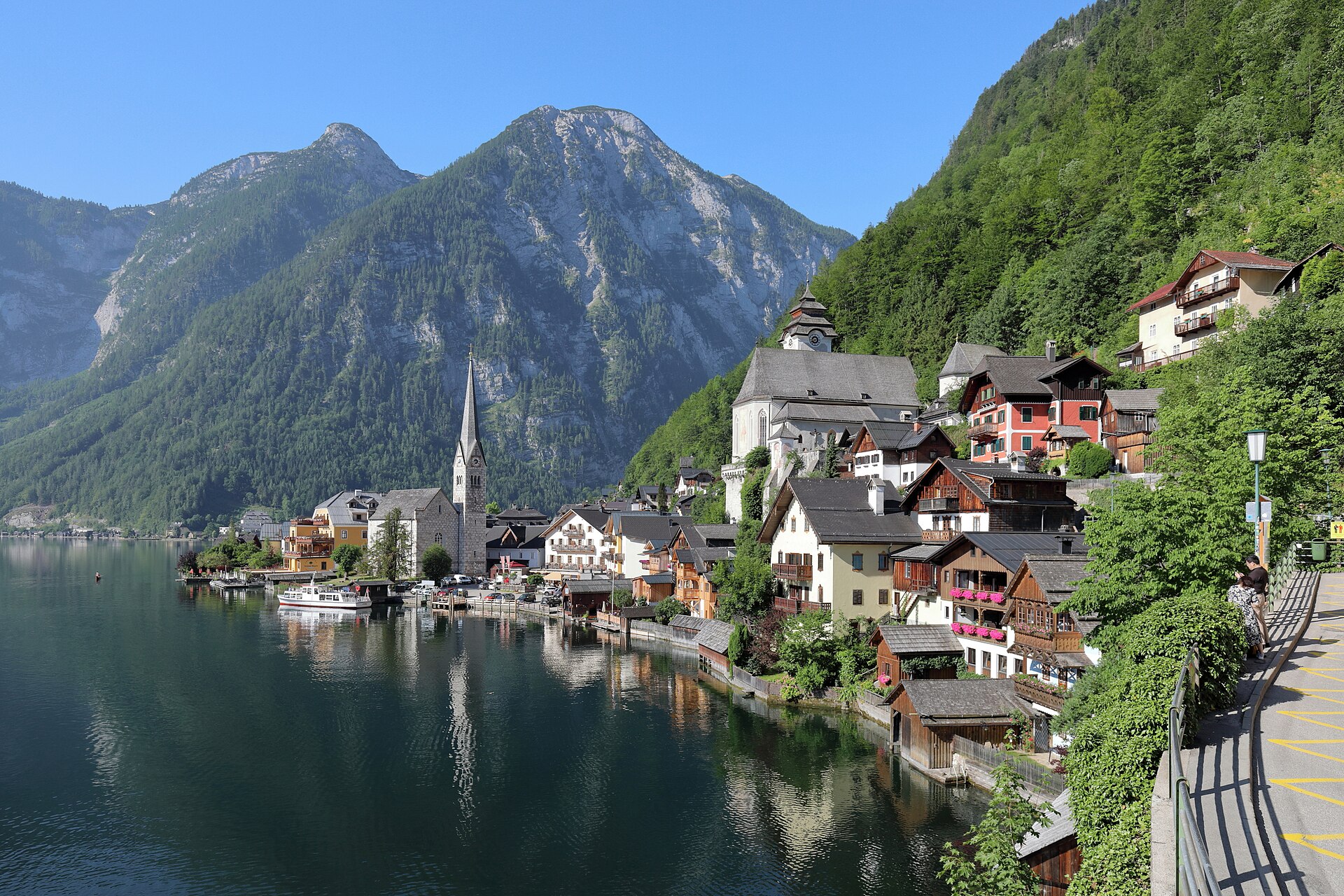
This list ranks the 25 most beautiful small towns in Europe, grouped by region so you can string several together on one trip. For each one you will find why it earns its place, the one thing not to miss, where to stay and how to get there. In short, it is the list for your second trip to Europe, once the capitals are done.
If you want the big-city version, start with our 30 most beautiful cities in Europe. For single countries, our most beautiful villages in France and best small towns in Italy go deeper.
Quick picks: the most beautiful small towns in Europe for your kind of trip
Short on time? Then choose by what you want from the trip. Each pick links down to its full entry.
| Best for | Town | Country |
|---|---|---|
| The classic postcard | Hallstatt | Austria |
| A honeymoon | Ravello | Italy |
| Fairytale streets | Rothenburg ob der Tauber | Germany |
| Lakes and mountains | Bled | Slovenia |
| Canals without crowds | Giethoorn | Netherlands |
| Beaches | Rovinj | Croatia |
| Wine | Cochem | Germany |
| Arctic scenery | Reine | Norway |
| Fewest tourists | Monsaraz | Portugal |
| Something different | Sighișoara | Romania |
How the regions fit together. The Alps and Central Europe (towns 1 to 7) form one loop from Munich or Vienna. Western Europe (8 to 15) covers France, the Low Countries, Britain and Ireland, which are best as two separate trips. Southern Europe (16 to 21) runs from Italy to Portugal and Greece. Finally, the north and east (22 to 25) are each a trip in their own right, and they are where you will find the fewest tourists.
The most beautiful small towns in Europe: the Alps and Central Europe
Lakes, mountains and painted houses: this is the Europe of the fairytale books. The towns are close together, the trains are excellent and summer is the season, because many of these places sit under snow from December to March.
1. Hallstatt, Austria
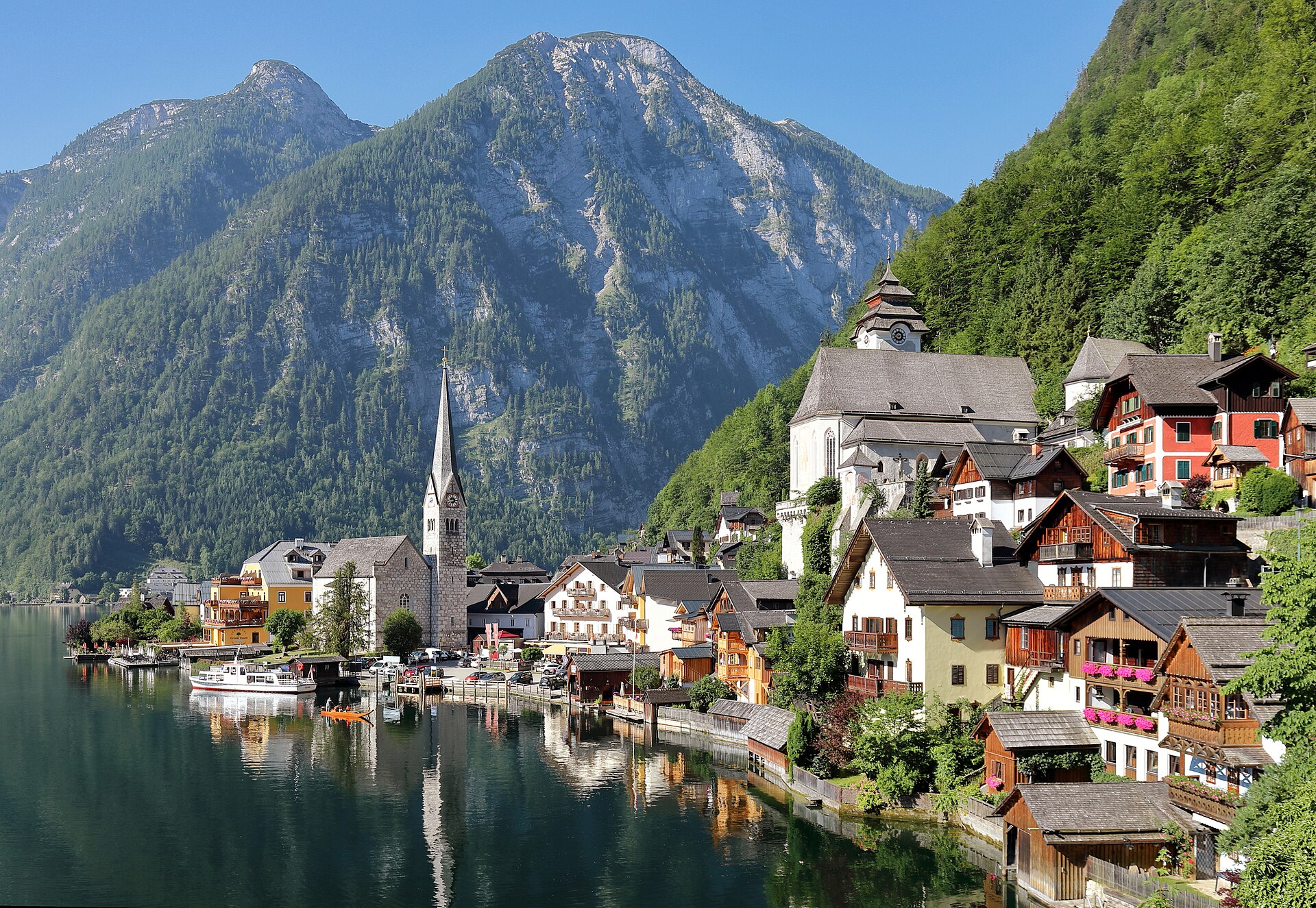
Hallstatt is a 16th-century salt-mining village squeezed between a lake and a mountain, with pastel houses stacked so tightly that the only way through is on foot. It is the most photographed small town in Europe, and in fact China built a full-size copy of it. Yet in the early morning, before the buses arrive from Salzburg, it is still magical.
Do not miss: the classic view from the road north of the village at dawn, the salt mine and its skywalk, and a boat across the lake to the station.
Stay: Heritage Hotel Hallstatt, in three lakeside houses, is the best in the village. Alternatively, Seehotel Grüner Baum sits on the main square with rooms over the water.
Getting there: 2 hours 30 by train from Salzburg or Vienna, with a ferry across the lake at the end. Stay the night, because the day-trippers leave by 5pm.
2. Bled, Slovenia
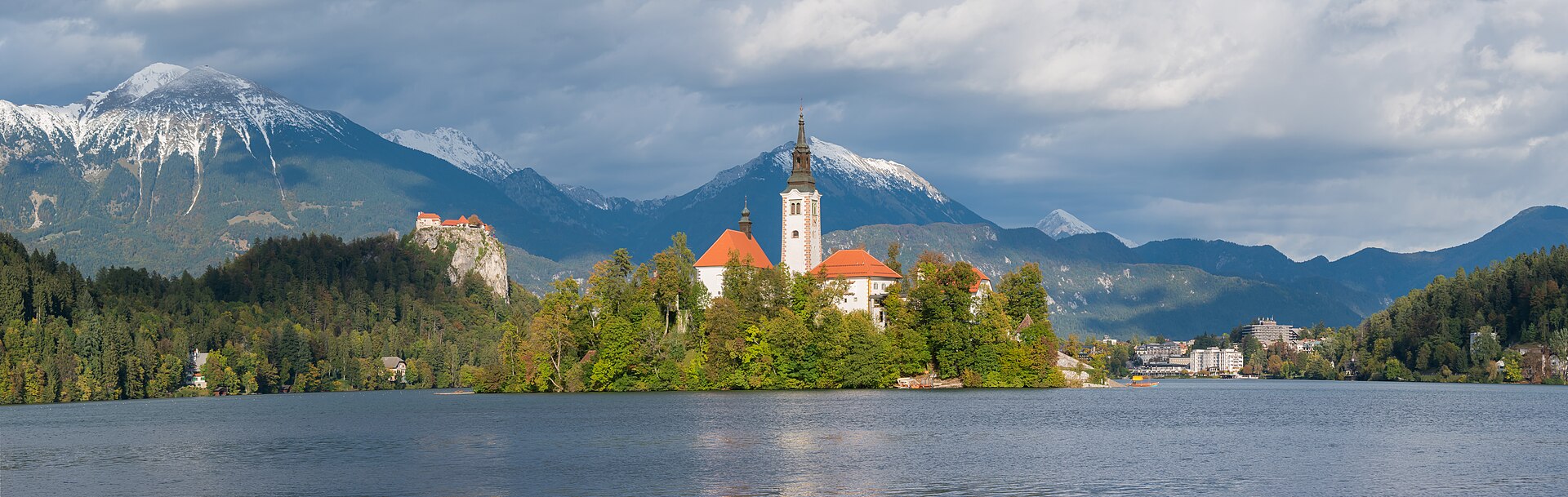
Bled is a glacial lake with an island church in the middle, a castle on a cliff above and the Julian Alps behind, and the town wraps around the shore. It is the picture that sells Slovenia. In fact, it is even better in person, especially in October, when the trees turn.
Do not miss: rowing to the island and ringing the wishing bell, the Ojstrica viewpoint at sunrise and a slice of Bled cream cake. Our guide to Lake Bled has the rest.
Stay: Vila Bled, Tito’s former summer residence on the lakeshore, which we reviewed in our Vila Bled review. Otherwise, Grand Hotel Toplice is the classic alternative.
Getting there: 45 minutes by car or bus from Ljubljana airport. Combine it with Vintgar Gorge and Lake Bohinj.
3. Český Krumlov, Czech Republic
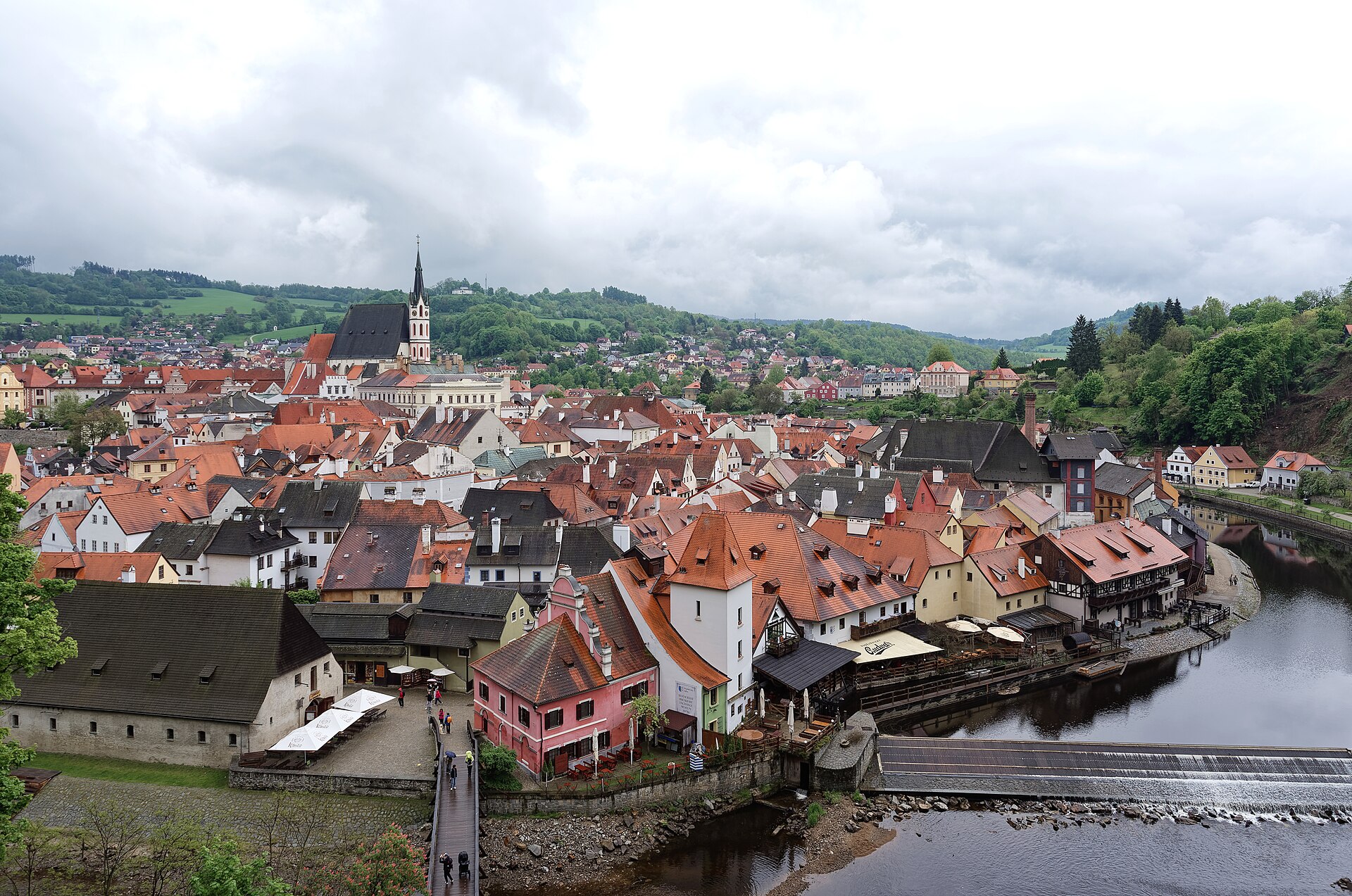
Český Krumlov is a Renaissance town folded into a loop of the Vltava river, with a castle on the rock above and red roofs filling every gap. It is a UNESCO site and, by a distance, the most beautiful town in the Czech Republic. It is also busy by day, so stay the night.
Do not miss: the castle tower for the view, the baroque theatre, which is one of only two intact in the world, and a raft trip around the river bend.
Stay: Hotel Růže, in a former Jesuit college above the river, is the grand choice. Alternatively, Bellevue Hotel sits on the main square.
Getting there: 2 hours 30 by bus from Prague with RegioJet, or 3 hours by car. Linz in Austria is only 1 hour away, so it links to Hallstatt.
4. Rothenburg ob der Tauber, Germany
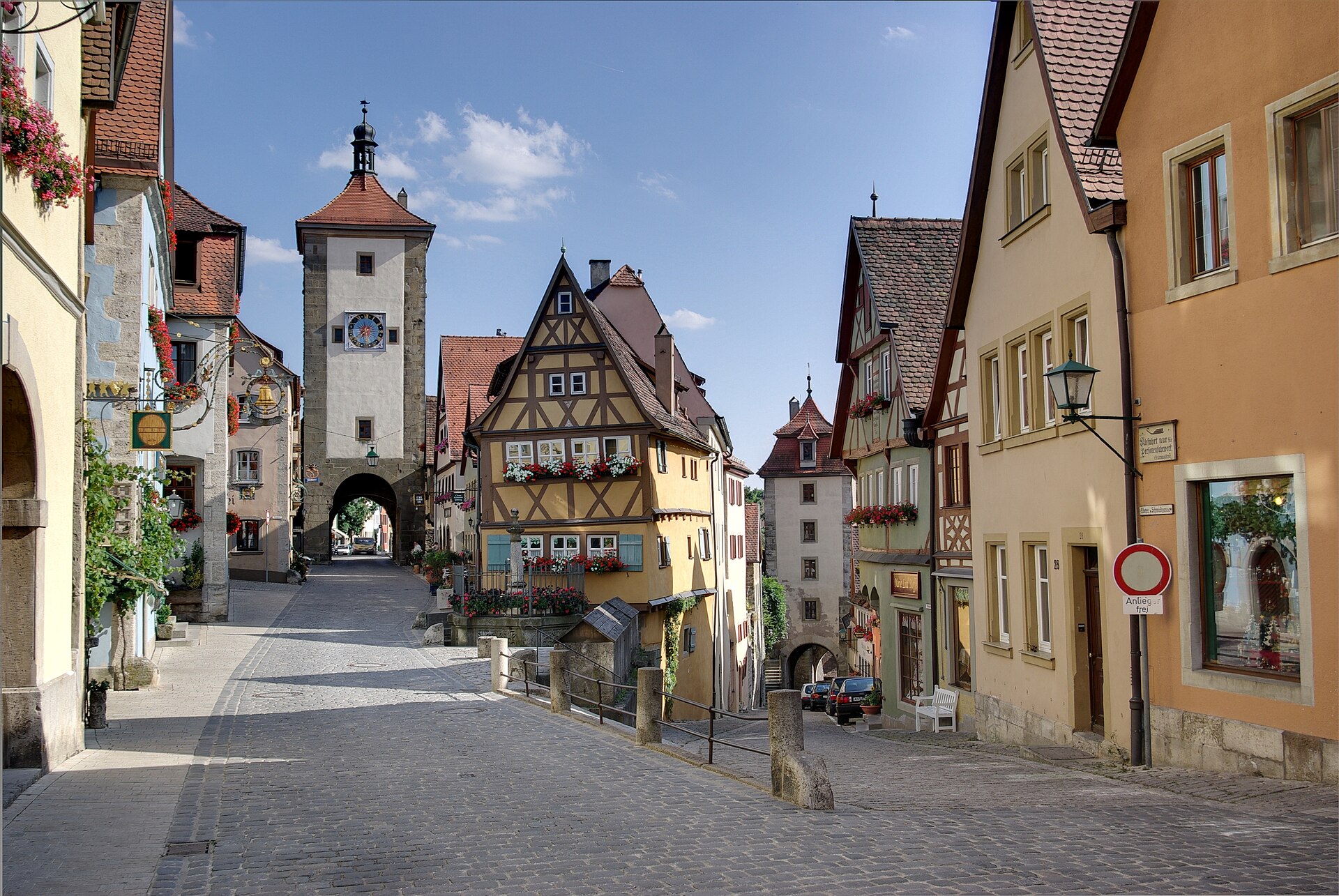
Rothenburg is the best-preserved medieval walled town in Germany: half-timbered houses, towers, a covered walkway along the full circuit of the walls and a square that looks like a film set. In fact, Disney used it as the model for Pinocchio’s village. In December, the Christmas market fills it with lights and snow.
Do not miss: walking the walls at dawn, the Plönlein corner, which is the famous view, and the Night Watchman’s tour, which is funnier than it sounds.
Stay: Hotel Herrnschlösschen, a 12th-century house with a garden inside the walls, is the romantic choice. Alternatively, Burg-Hotel, built into the wall itself, has the valley views.
Getting there: 2 hours 30 by car from Frankfurt or Munich, or 3 hours by train via Steinach. In fact, it is the highlight of the Romantic Road.
5. Cochem, Germany
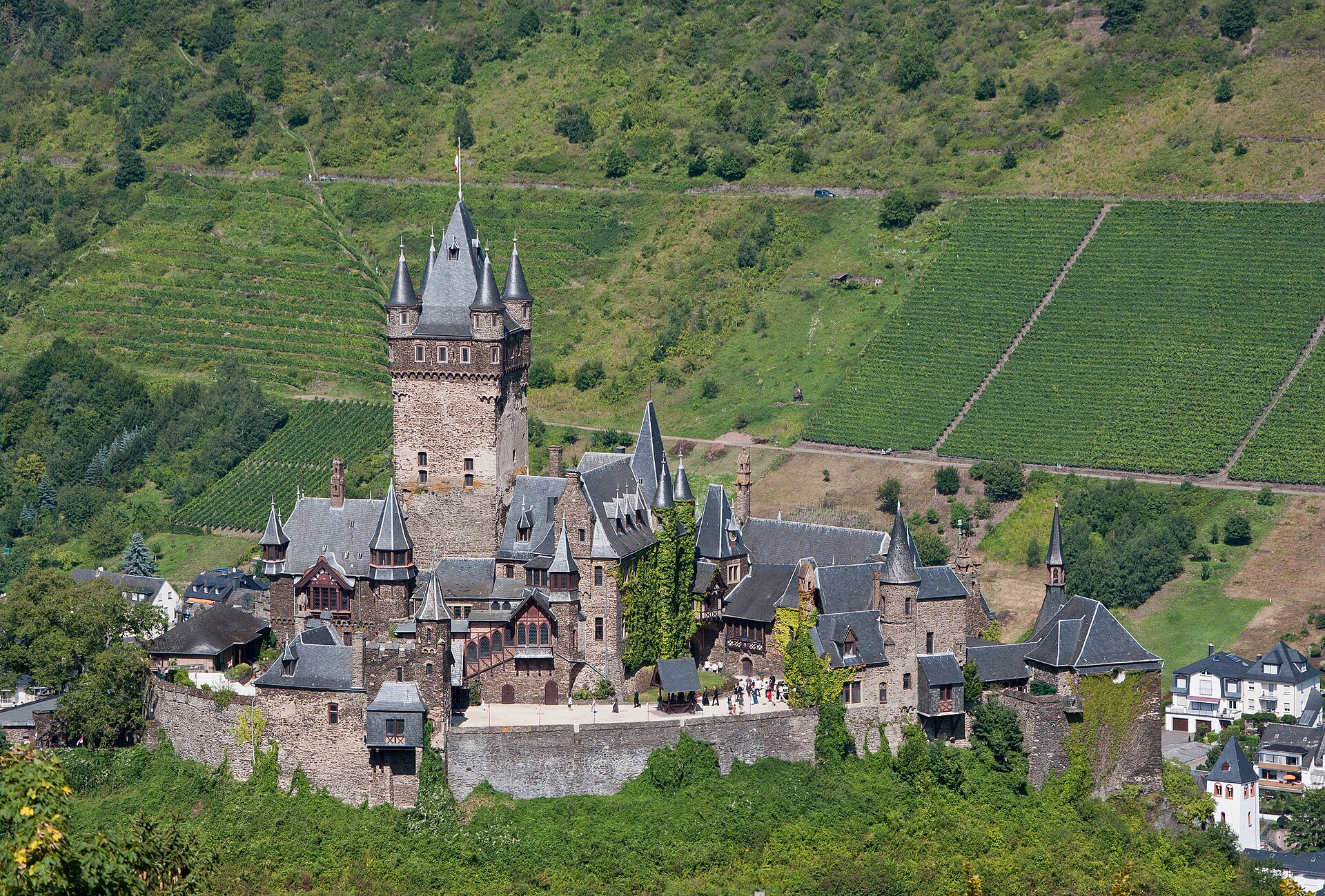
Cochem sits on a hairpin bend of the Moselle river under a fairytale castle, with vineyards climbing the slopes on every side. The old town is half-timbered, the wine is Riesling and, best of all, the castle looks like it was drawn by a child. It is also the easiest beautiful small town to reach from Frankfurt or Cologne.
Do not miss: the Reichsburg castle, a boat trip along the river to Beilstein, and a tasting of the local Riesling in one of the wine taverns on the riverfront.
Stay: Hotel Villa Vinum, in a 19th-century villa above the river, is the pick. Otherwise, Alte Thorschenke, a 14th-century inn in the old town, has the character.
Getting there: 1 hour 30 by train from Koblenz or 2 hours from Cologne. Likewise, the Moselle valley road is one of the best drives in Germany.
6. Gruyères, Switzerland
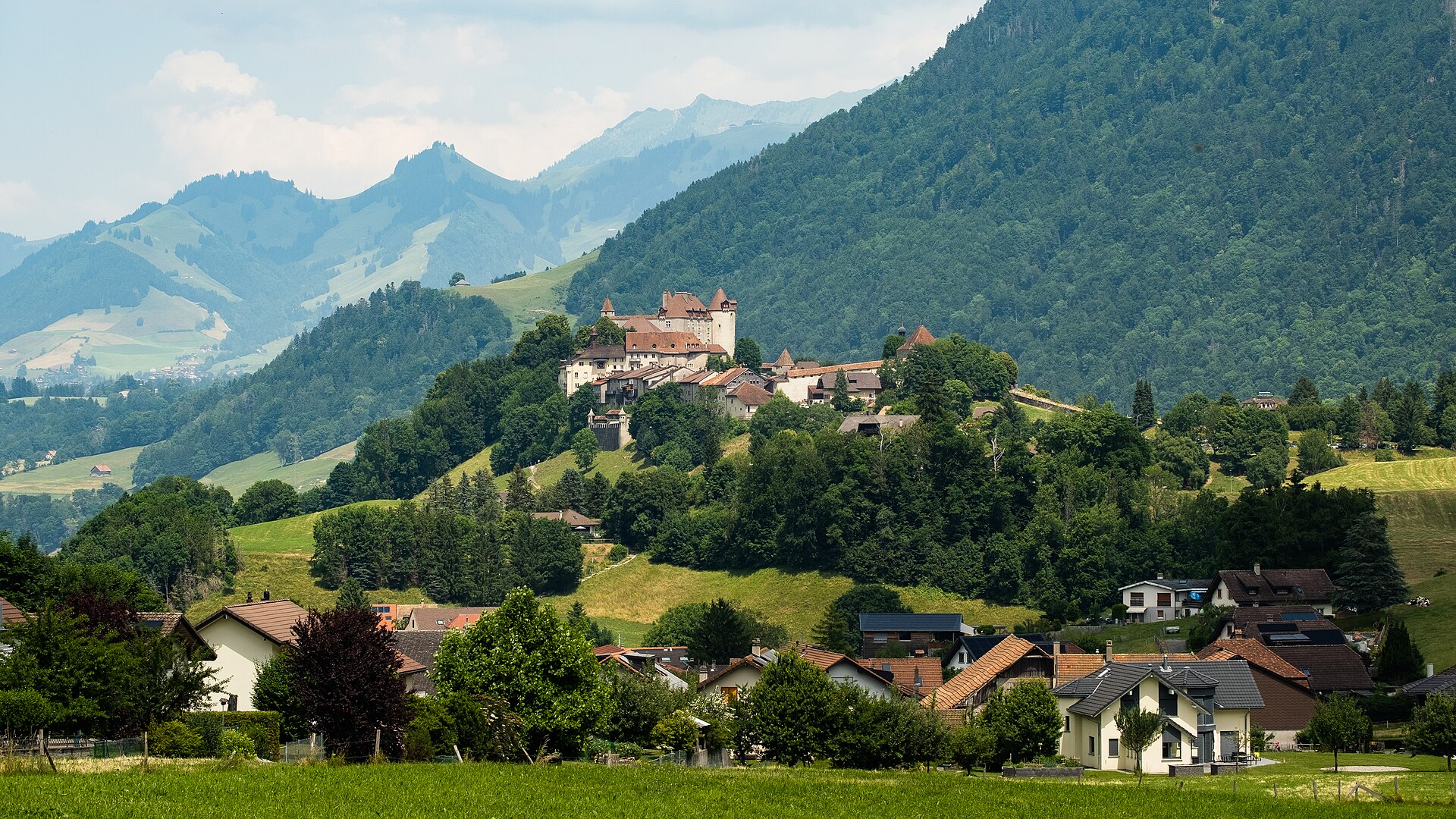
Gruyères is a single cobbled street on a hill, with a castle at one end, the Alps all around and the cheese of the same name made in the dairy below. It is tiny, car-free and, frankly, almost absurdly pretty. It is also home, strangely, to the museum of H.R. Giger, who designed the monster in Alien.
Do not miss: the castle gardens, a fondue at Le Chalet de Gruyères, the cheese dairy at the bottom of the hill and the Giger museum, which is as odd as it sounds.
Stay: Hotel de Ville, on the single street, is the one to book. Alternatively, Le Gruyérien in the valley is modern and quiet.
Getting there: 1 hour by train from Lausanne or 1 hour 15 from Bern, with a change at Bulle. Combine it with the Cailler chocolate factory in Broc.
7. Lauterbrunnen, Switzerland
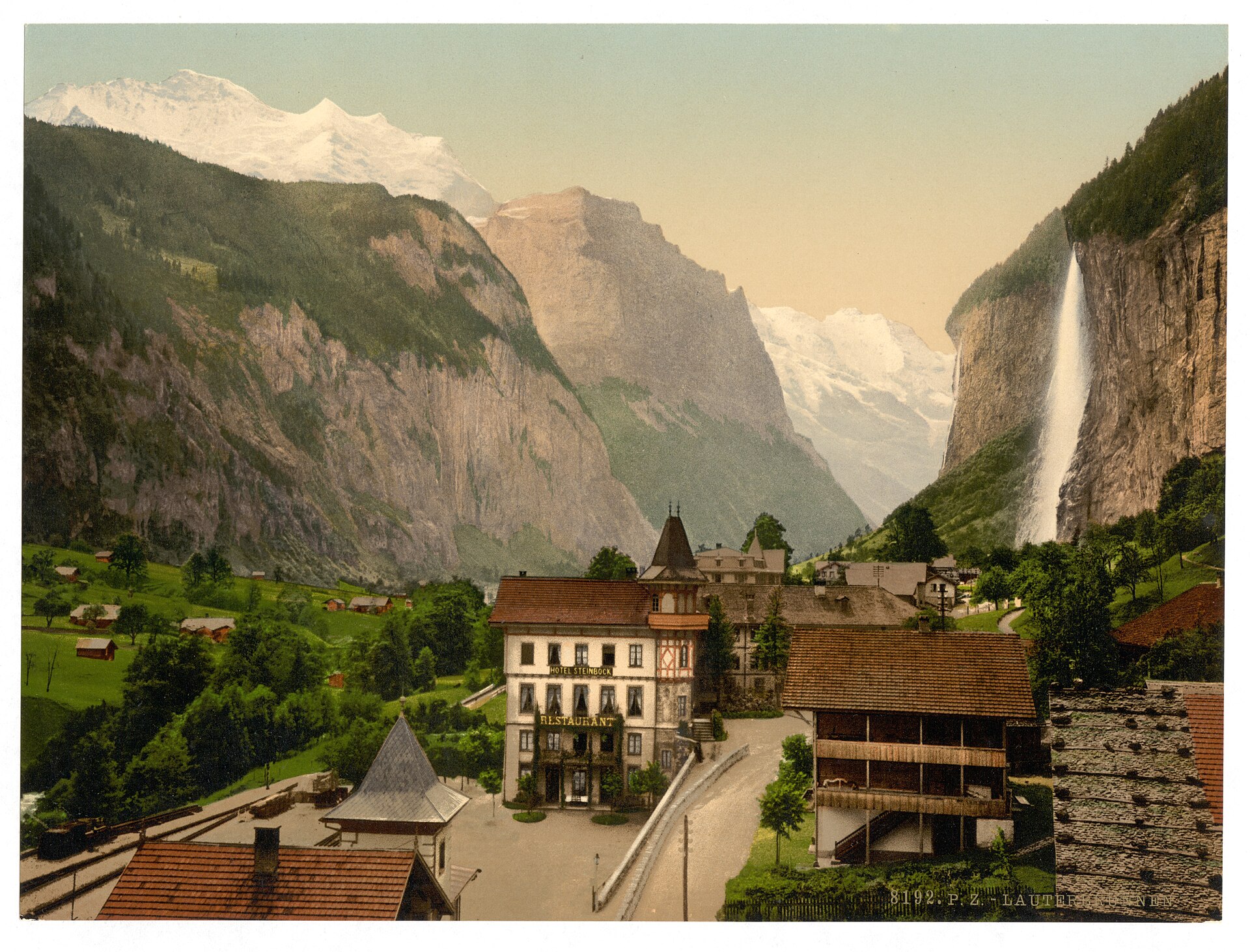
Lauterbrunnen is a village at the bottom of a glacial valley with 72 waterfalls dropping off the cliffs around it, and Tolkien is said to have based Rivendell on it. For example, the Staubbach Falls drop 300 metres right beside the church. It is also the base for the car-free villages of Wengen and Mürren above.
Do not miss: the Staubbach Falls at sunrise, the Trümmelbach Falls inside the mountain, and the cable car to Mürren for the view of the Eiger, Mönch and Jungfrau.
Stay: Hotel Silberhorn, beside the station, is the comfortable choice in the village. Above it, meanwhile, Hotel Alpenruh in Mürren has the mountain views.
Getting there: 2 hours 30 by train from Zurich or 2 hours from Bern via Interlaken. Leave the car in Interlaken, because the valley is best without one.
The most beautiful small towns in Europe: Western Europe
Western Europe’s small towns are canals, half-timbering and honey-coloured stone. The Low Countries and northern France make one easy loop by train, while Britain and Ireland are a separate trip, and a car helps for both.
8. Giethoorn, Netherlands
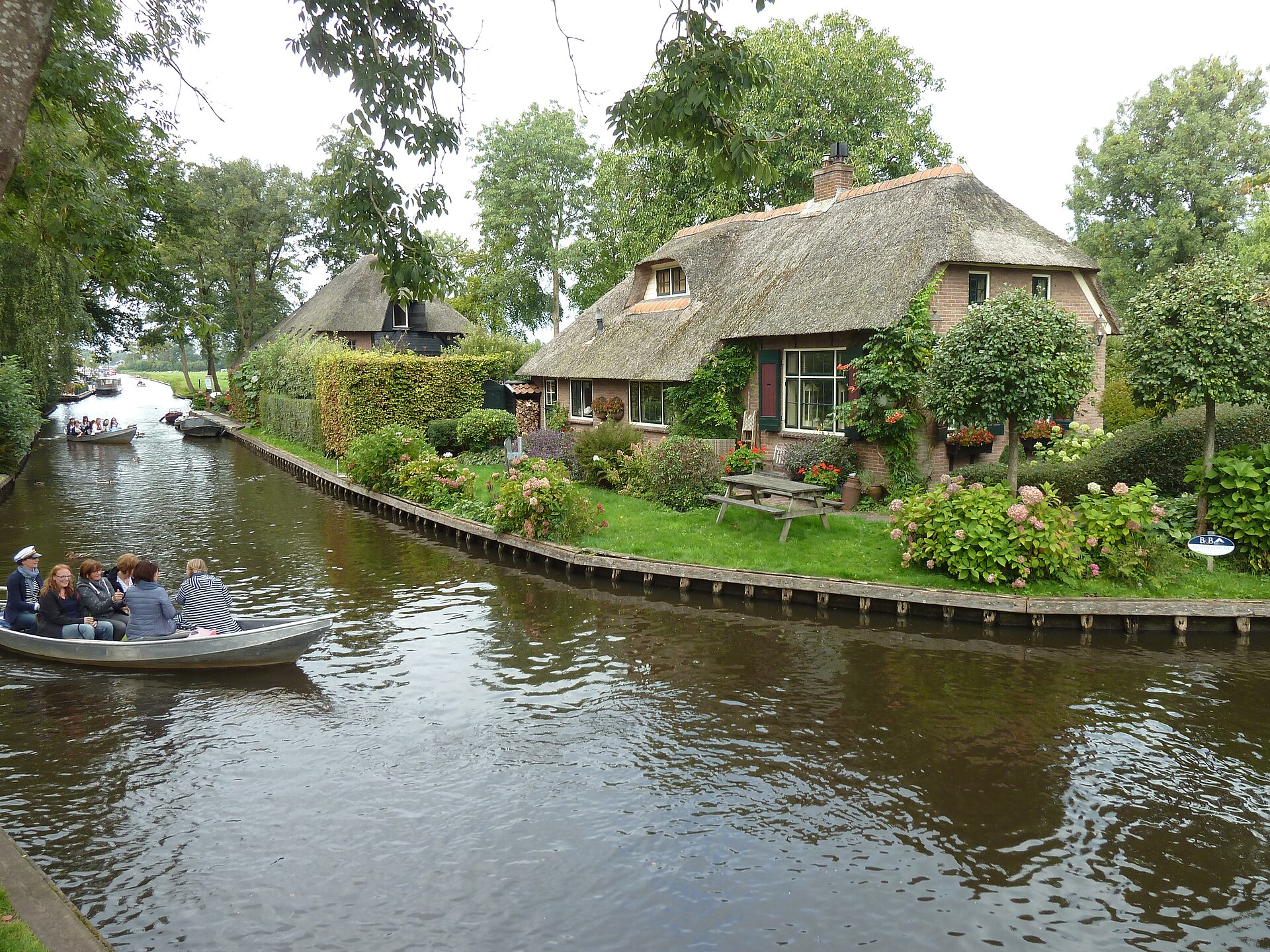
Giethoorn is a village with no roads in its old centre, only canals, footpaths and 176 wooden bridges linking thatched farmhouses. As a result, everything moves by boat, including the postman. It is called the Venice of the North, but it feels more like a fairytale than a city, especially on a weekday morning.
Do not miss: hiring an electric whisper boat and steering it yourself, the Museum Giethoorn ‘t Olde Maat Uus farmhouse, and a walk along the Binnenpad path at dusk after the boats have gone.
Stay: Hotel de Harmonie, a thatched inn on the canal, is the charming choice. Otherwise, De Dames Van De Jonge sits by the water with a good restaurant.
Getting there: 1 hour 30 by car from Amsterdam, or 2 hours by train and bus via Steenwijk. It is an easy day trip, but equally it is far quieter overnight.
9. Bruges, Belgium
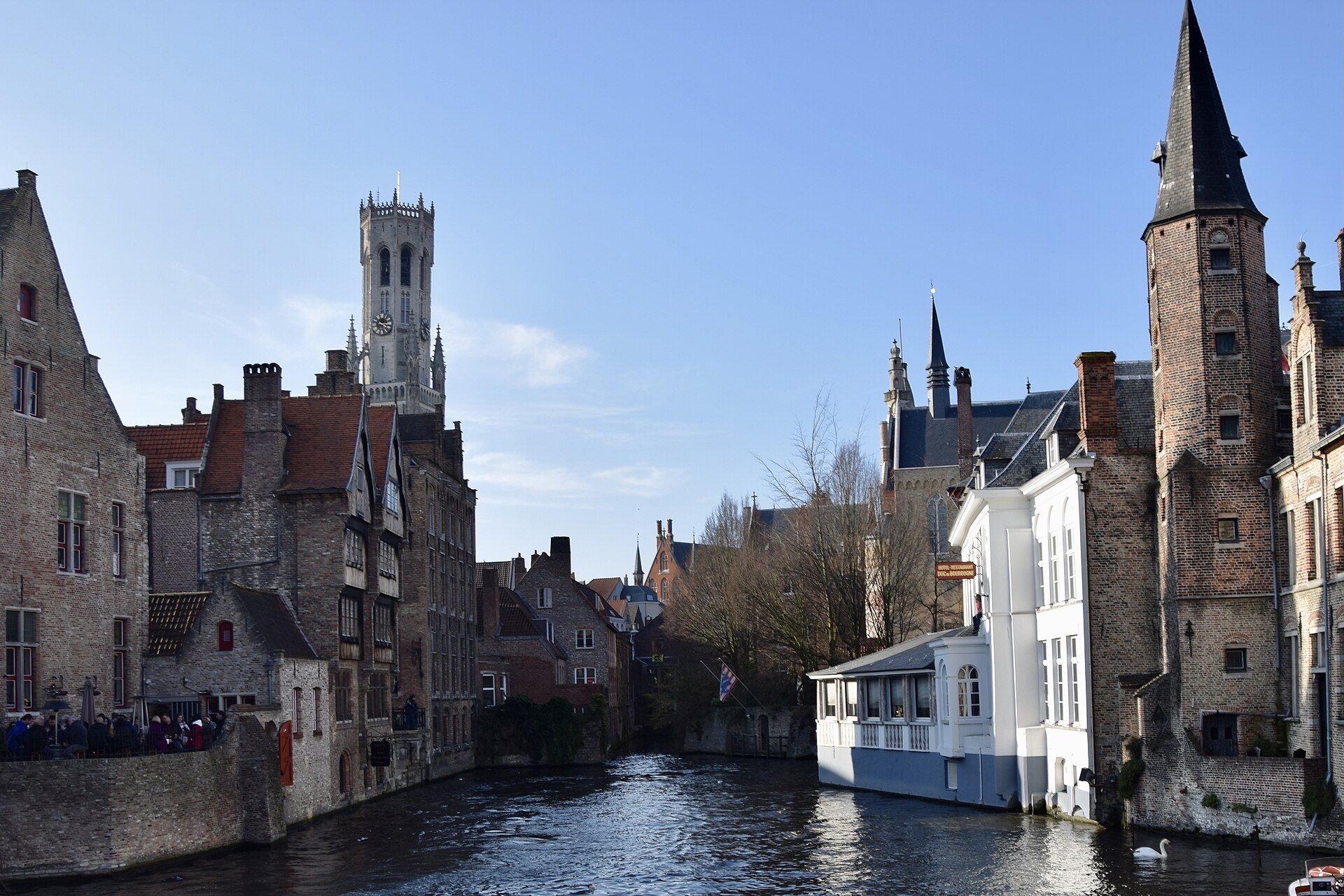
Bruges is technically a city, but its medieval core is small enough to walk across in twenty minutes, and nowhere in Europe has kept its Gothic streets so intact. Canals wind between step-gabled houses, swans drift under the bridges and, above it all, the bell tower rings the hours. It is busy in summer, so come in late autumn or winter.
Do not miss: the view from the Rozenhoedkaai, climbing the Belfry, the Groeninge Museum for the Flemish Primitives and a beer in the garden of De Halve Maan brewery.
Stay: Hotel Dukes’ Palace, in a 15th-century ducal residence with a garden, is the grand address. Alternatively, The Pand Hotel, on a canal near the Burg, is the boutique choice.
Getting there: 1 hour by train from Brussels, or 3 hours 30 from London by Eurostar via Brussels. Above all, leave the car outside the ring road.
10. Dinan, France
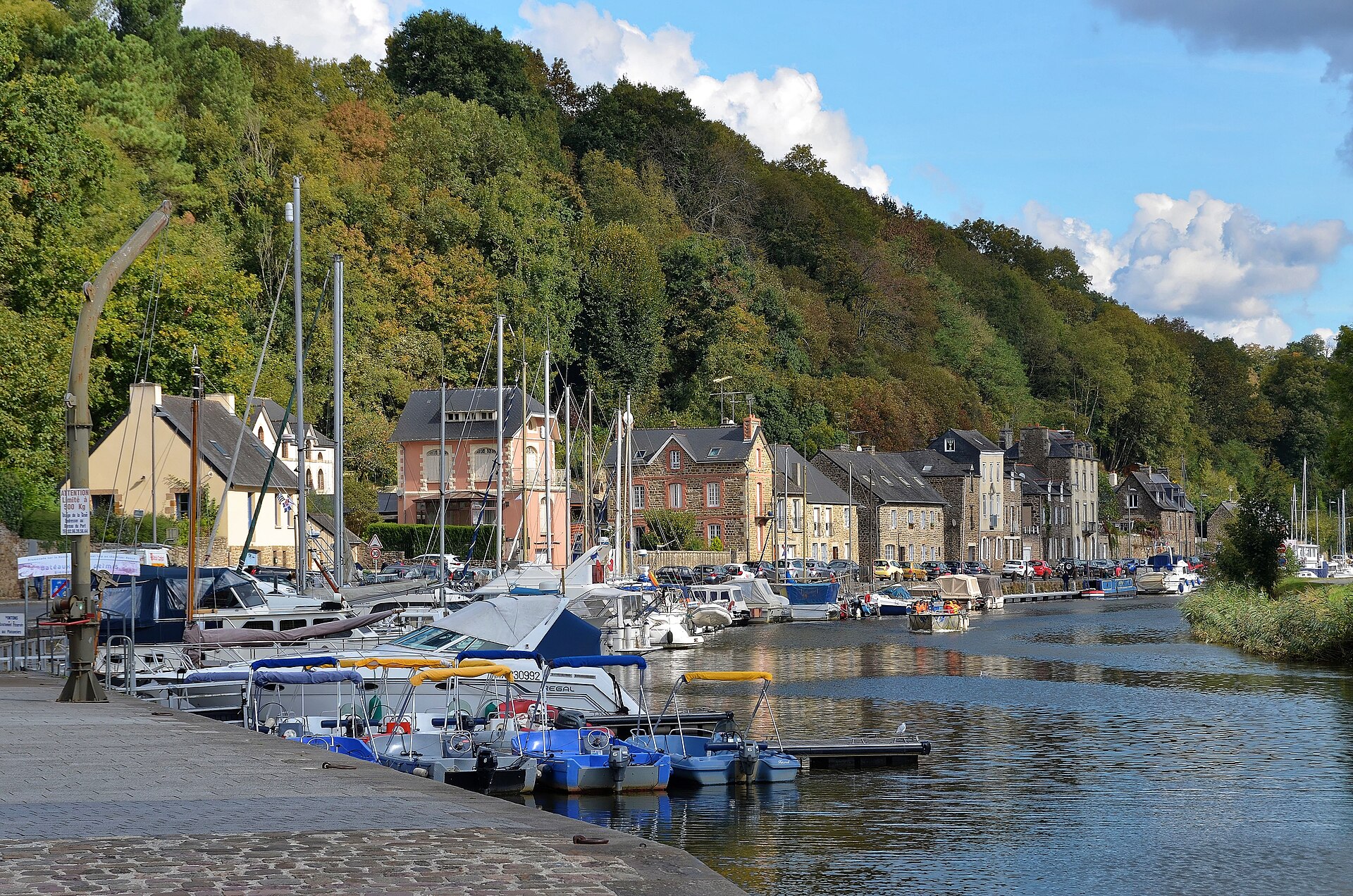
Dinan is a walled medieval town on a hill above the river Rance in Brittany, with three kilometres of ramparts, a steep cobbled street of half-timbered houses leading down to the port and a 13th-century castle. It is the best-preserved town in Brittany, yet it gets a fraction of the visitors of Saint-Malo, 30 minutes away.
Do not miss: walking down the Rue du Jerzual to the port, the ramparts at sunset, the Thursday market and a crêpe and a bowl of cider in any of the old-town crêperies.
Stay: La Maison Pavie, an 18th-century townhouse in the old town, is the romantic choice. Alternatively, Hôtel Le Challonge sits on the main square.
Getting there: 1 hour by car from Rennes or 3 hours from Paris by TGV and bus via Saint-Malo. Combine it with Mont-Saint-Michel, an hour east.
11. Colmar, France
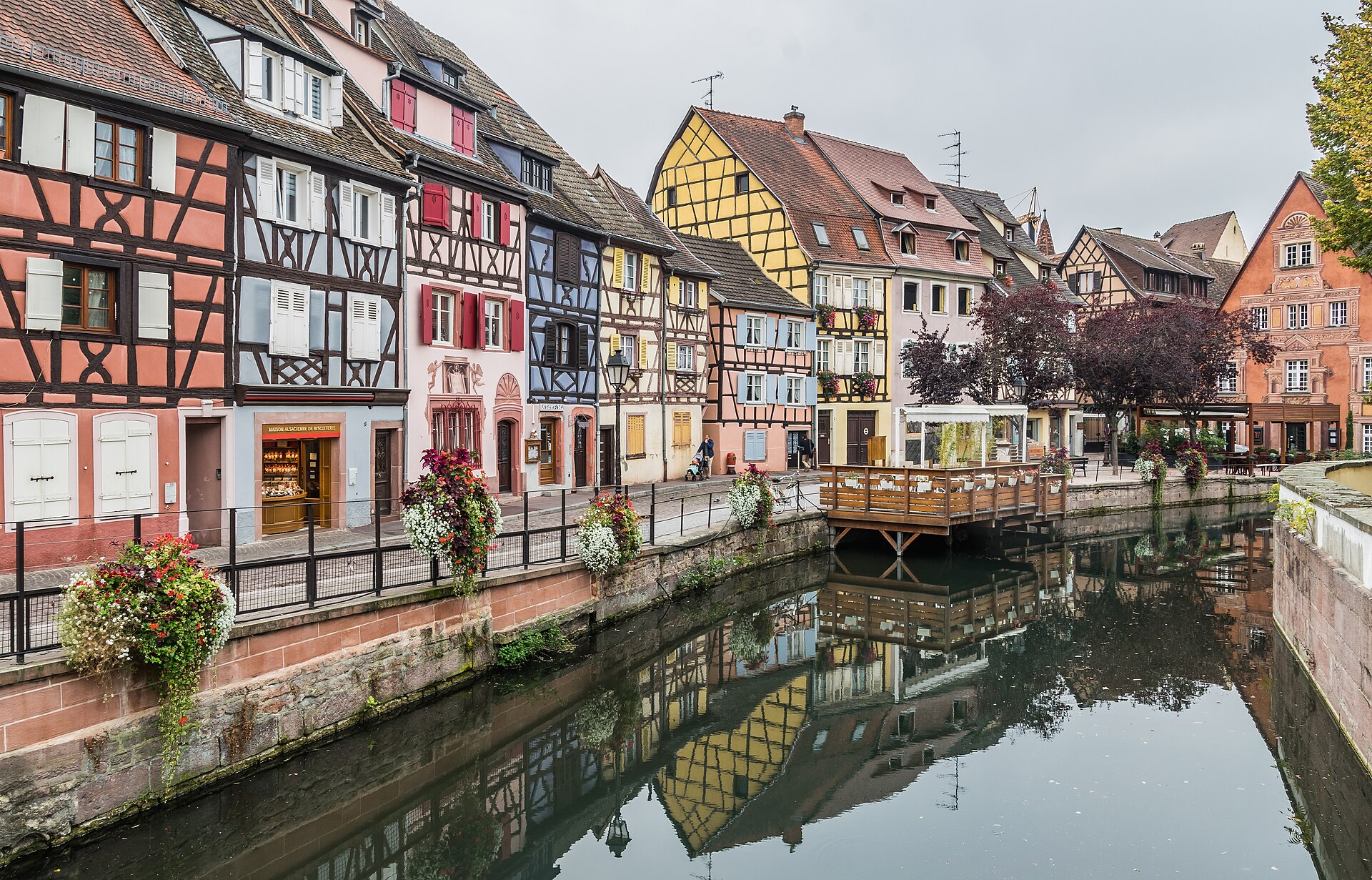
Colmar is the capital of the Alsace wine route, and its old town is the one that Disney used for Beauty and the Beast: painted half-timbered houses leaning over canals, flower boxes on every window and a Christmas market that is among the best in Europe. It is also the base for Riquewihr and Eguisheim, which sit 15 minutes away.
Do not miss: the Little Venice quarter by boat, the Unterlinden Museum for the Isenheim Altarpiece, and a tarte flambée in the covered market.
Stay: La Maison des Têtes, a 17th-century mansion with a Michelin-starred restaurant, is the one to book. Otherwise, Hôtel Le Colombier, in Little Venice, is the design alternative.
Getting there: 30 minutes by train from Strasbourg or 1 hour from Basel airport. Then, hire a car for the wine villages.
12. Èze, France
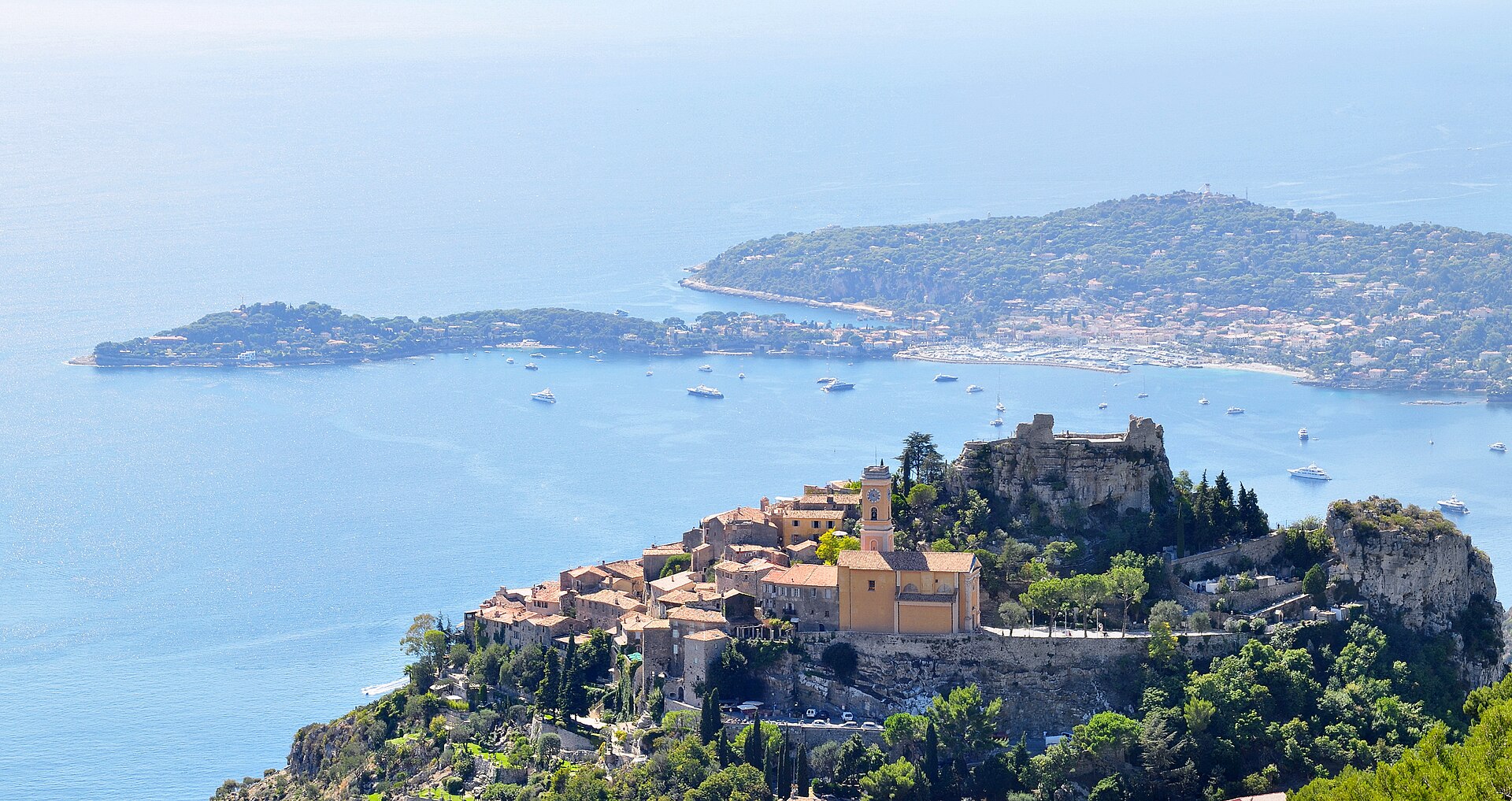
Èze is a medieval village on a rocky peak 430 metres above the Mediterranean, between Nice and Monaco, with stone lanes too narrow for cars and a cactus garden on the summit. The view over the Riviera is the best on the coast. It is tiny, so stay the night and have it to yourself after 6pm.
Do not miss: the Jardin Exotique at the top for the view, the Nietzsche path down to the sea, and dinner on the terrace at La Chèvre d’Or.
Stay: Château de la Chèvre d’Or, a cluster of medieval houses with a two-star restaurant and infinity pool, is one of the most romantic hotels in France. Likewise, Château Eza, next door, is the smaller alternative.
Getting there: 20 minutes by car or bus from Nice. Our most beautiful villages in France has the rest of the Riviera.
13. Bibury, England
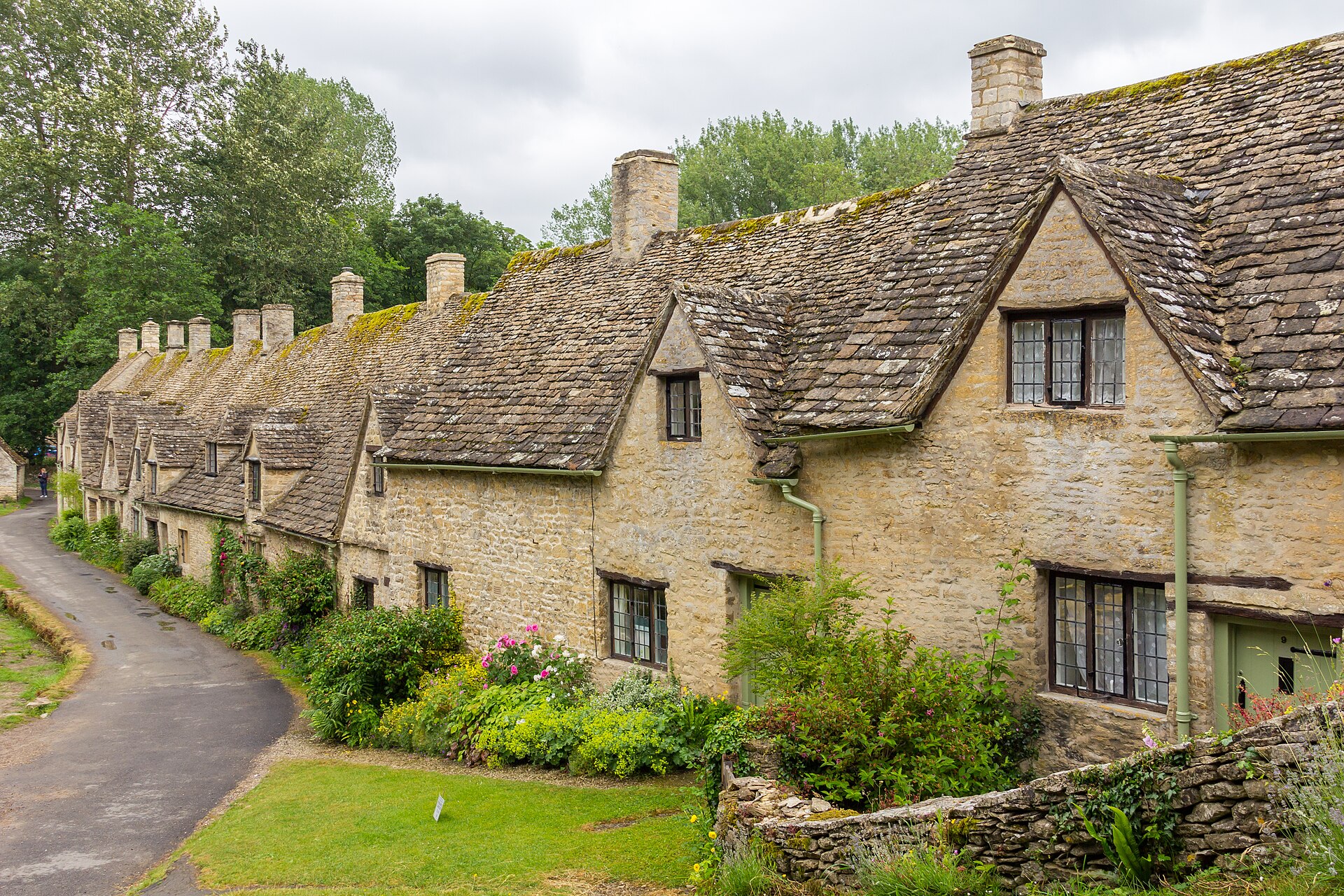
Bibury is a row of 17th-century weavers’ cottages called Arlington Row beside a trout stream, surrounded by the honey-coloured hills of the Cotswolds. William Morris called it the most beautiful village in England, and indeed the row is printed inside the British passport. It is also very small, so combine it with Bourton-on-the-Water and Castle Combe.
Do not miss: Arlington Row early in the morning, the trout farm, and a walk along the Coln river to the church. Then, see our review of Thyme for where to stay nearby.
Stay: The Swan Hotel, a 17th-century coaching inn on the river in Bibury, is the one in the village. Otherwise, Thyme, 20 minutes away in Southrop, is the best hotel in the Cotswolds.
Getting there: 1 hour 45 by car from London, or train to Kemble and a 20-minute taxi. A car is essential for the Cotswolds.
14. Castle Combe, England
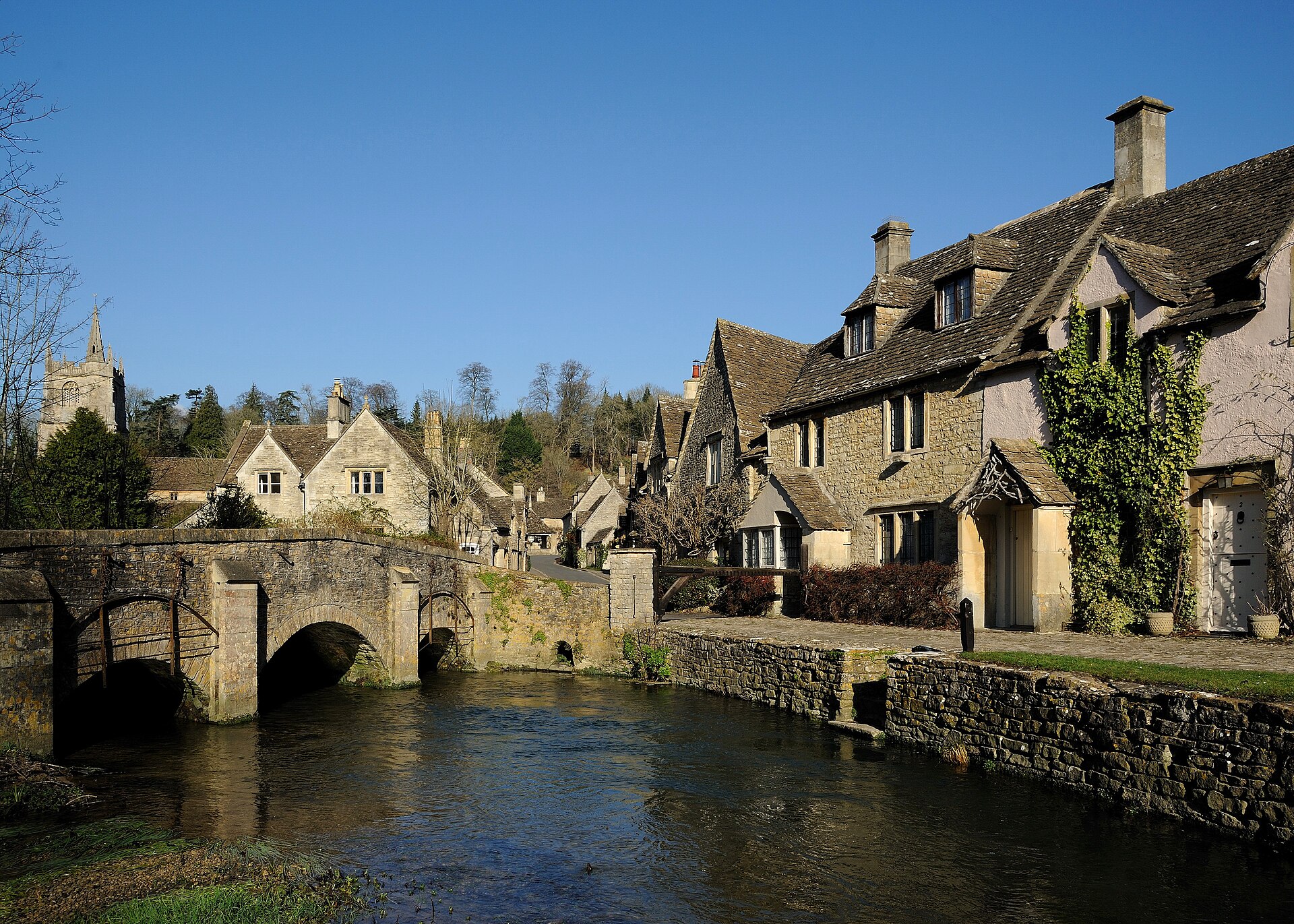
Castle Combe is a single street of stone cottages running down to a brook and a bridge, with no modern buildings, no television aerials and a market cross in the middle. It has been used in a dozen films, including War Horse, because nothing in it needs to be hidden. It is also as small as it gets, with about 350 residents.
Do not miss: the view from the bridge, the 14th-century church clock, which has no face, and a drink at the Castle Inn on the market square.
Stay: The Manor House, a 14th-century manor with a golf course and a Michelin-starred restaurant, is the grand choice. Alternatively, The Castle Inn, in the village, is the cosy one.
Getting there: 25 minutes by car from Bath, or 2 hours from London. Combine it with Bath, Lacock and the Cotswolds.
15. Dingle, Ireland
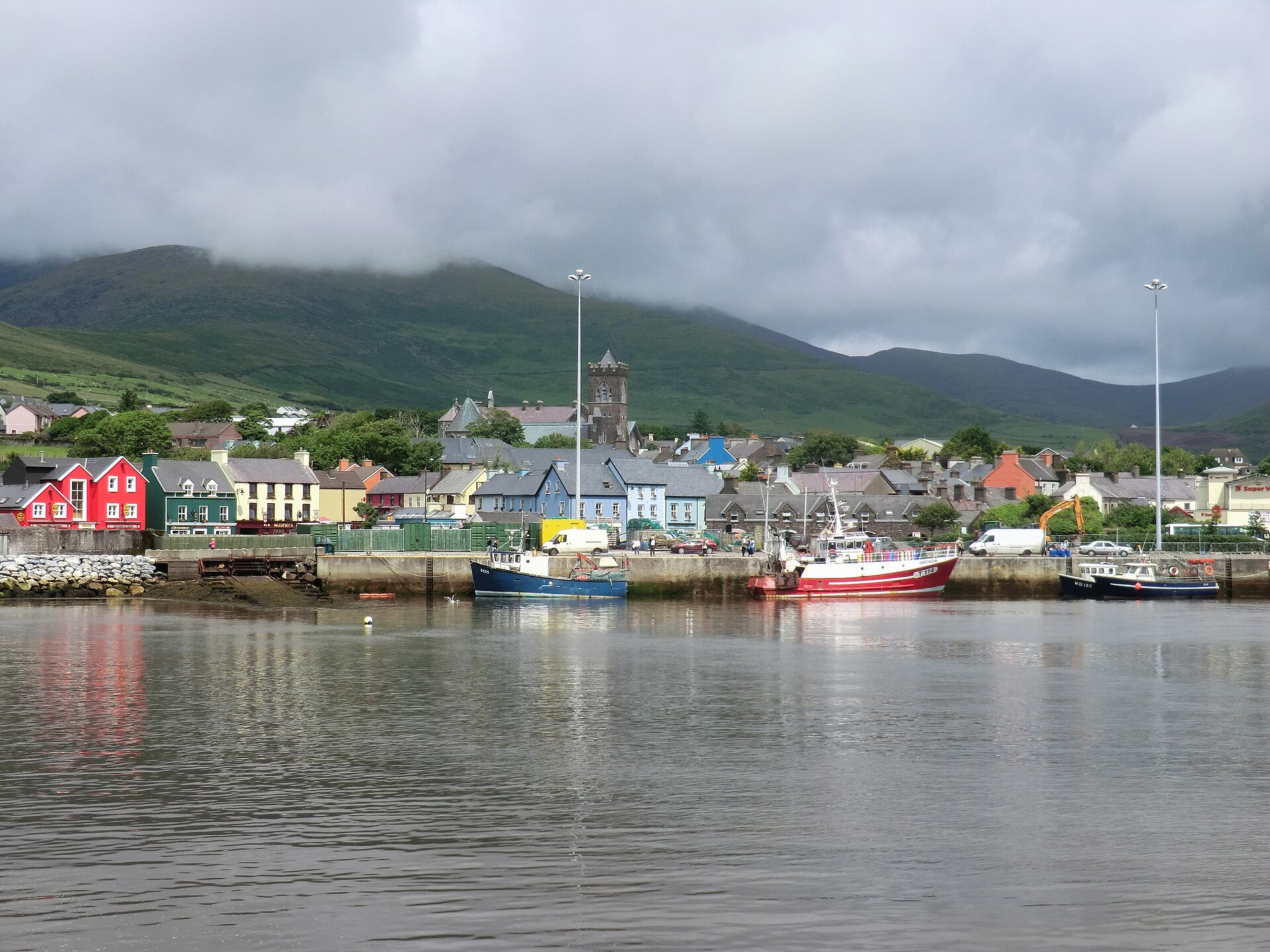
Dingle is a fishing town of painted pubs at the end of a wild peninsula on Ireland’s west coast, with cliffs, beaches and Gaelic-speaking villages all around it. The town itself is a line of bright shopfronts along the harbour, and almost every one of them, moreover, is a pub with live music. It is the friendliest place on this list.
Do not miss: the Slea Head drive around the peninsula, a boat trip to the Blasket Islands, music at Dick Mack’s, and Murphy’s ice cream. Our guide to the Dingle Peninsula has the full loop.
Stay: Pax House, a guesthouse above the harbour with views across the bay, is the one to book. Alternatively, Dingle Benners Hotel is in the centre of town.
Getting there: 1 hour by car from Kerry airport or 2 hours from Cork. A car is essential, because the peninsula is the point.
The most beautiful small towns in Europe: Southern Europe
Southern Europe’s towns are whitewash, terracotta and sea. They are at their best in May, June and September. In August, by contrast, they are hot and full, so plan around it.
16. Manarola, Italy
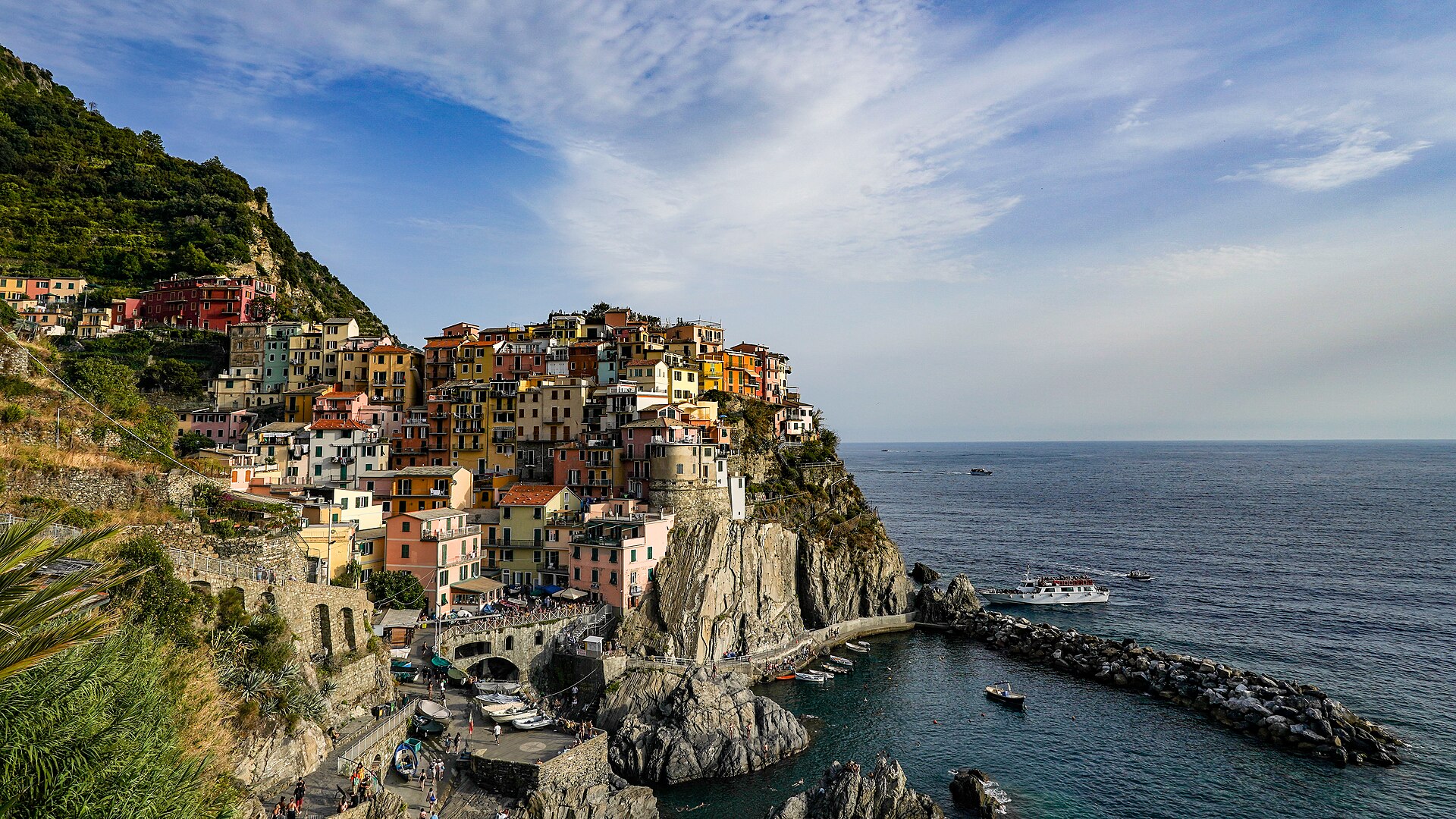
Manarola is the oldest and most photographed of the five Cinque Terre villages, a stack of pastel houses on a black rock above a tiny harbour, with vineyards climbing the cliff behind. The classic view, meanwhile, is from the path towards Corniglia at sunset. It is small, steep and car-free, which is exactly why it is here.
Do not miss: the sunset viewpoint on the Punta Bonfiglio path, a swim off the rocks in the harbour and a glass of Sciacchetrà, the local sweet wine.
Stay: La Torretta Lodge, with a terrace above the harbour, is the best in the village. Otherwise, base yourself in Portovenere and come by boat.
Getting there: 1 hour 30 by train from Pisa to La Spezia, then 15 minutes on the local line. See our Cinque Terre guide for trail passes.
17. Ravello, Italy
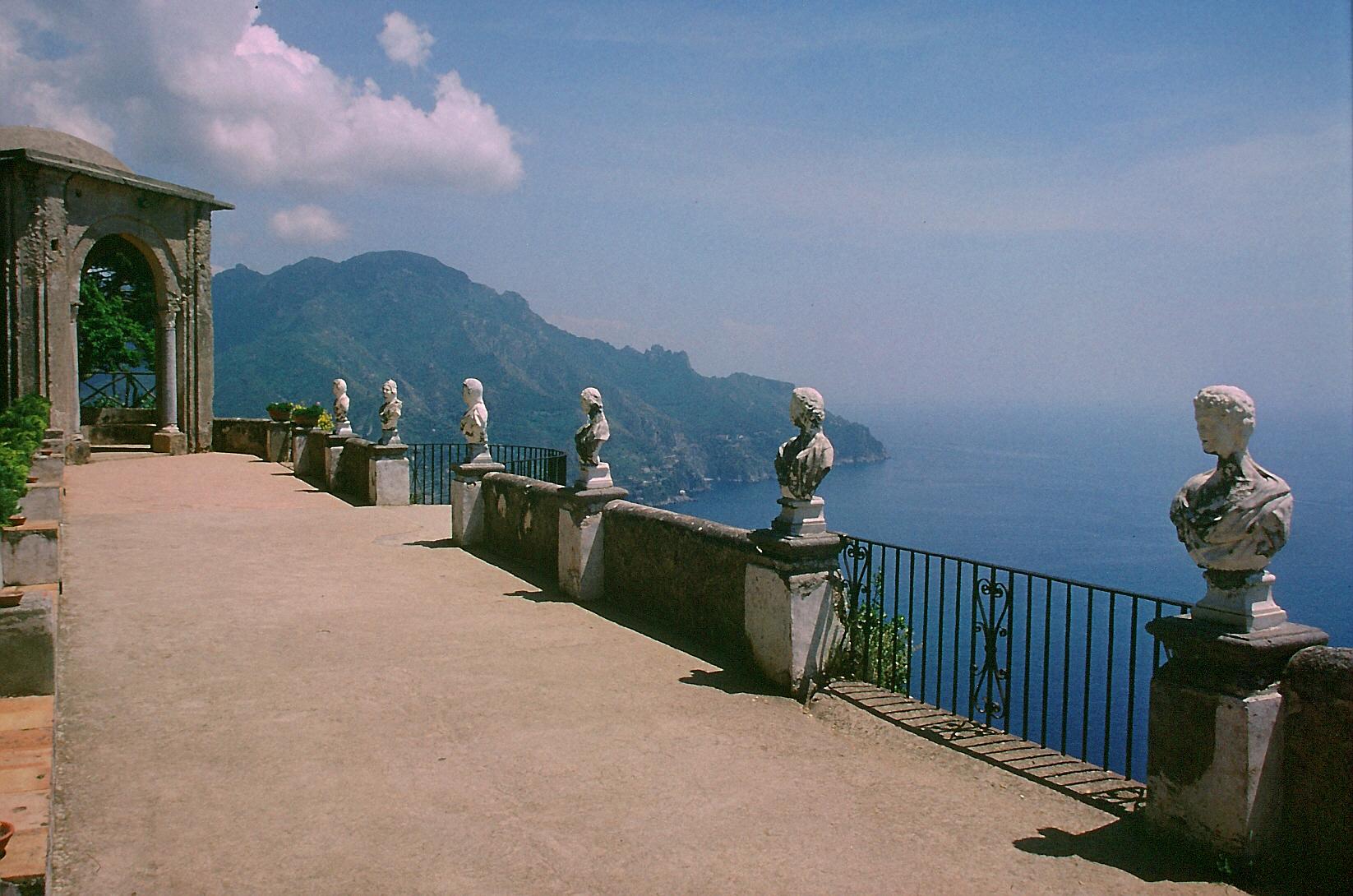
Ravello sits 365 metres above the Amalfi Coast, and from its villa gardens the sea seems to belong to it alone. It has no beach and no harbour, so the crowds stay below in Positano and Amalfi. Instead, it has two of the most beautiful gardens in Italy, a summer music festival and the quietest evenings on the coast.
Do not miss: the Terrace of Infinity at Villa Cimbrone, the gardens of Villa Rufolo, and a concert on the cliff-edge stage during the Ravello Festival. Our guide to Ravello has more.
Stay: Belmond Hotel Caruso, with its infinity pool hanging over the coast, is one of the great hotels of Italy. Otherwise, Palazzo Avino, next door, is the pink alternative.
Getting there: 1 hour 30 by car from Naples, or a 25-minute bus ride up from Amalfi. Whatever you do, leave the car at the top.
18. Cudillero, Spain
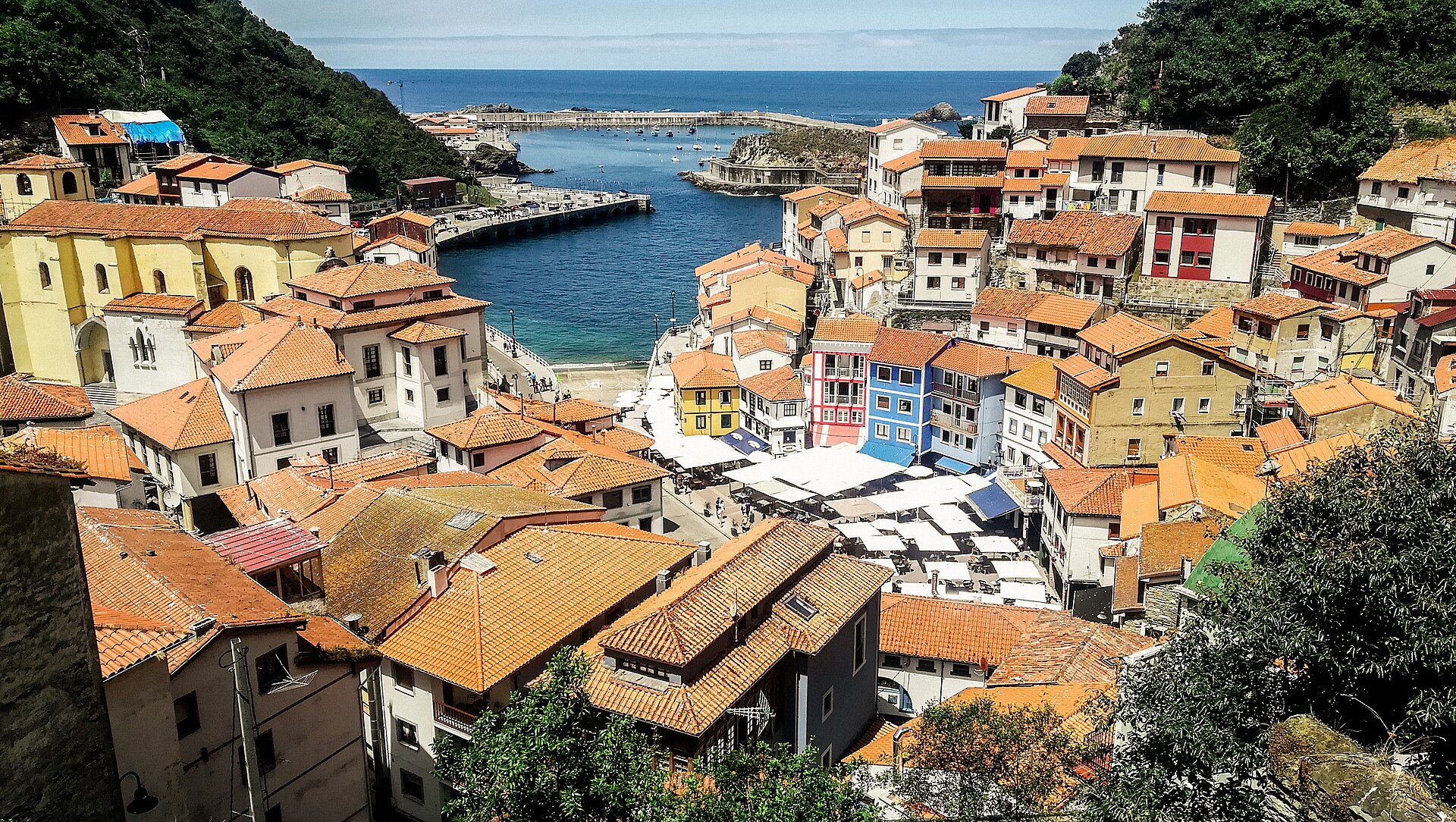
Cudillero is a fishing village on the Asturian coast of northern Spain, with houses painted in every colour stacked up a natural amphitheatre above a harbour. It is the prettiest village on the Bay of Biscay, and most visitors to Spain have never heard of it. The seafood is also superb, because the boats come in every afternoon.
Do not miss: the view from the Mirador de la Garita, grilled sardines on the harbour, and the beaches and cliffs along the coast to Cabo Vidio.
Stay: La Casona de Pío, in a former fish-salting house on the main street, is the one in the village. Otherwise, Hotel Casa Prendes is a small, friendly alternative.
Getting there: 45 minutes by car from Oviedo or Asturias airport. Combine it with the Picos de Europa, as in our 20 incredible places to visit in Spain.
19. Frigiliana, Spain
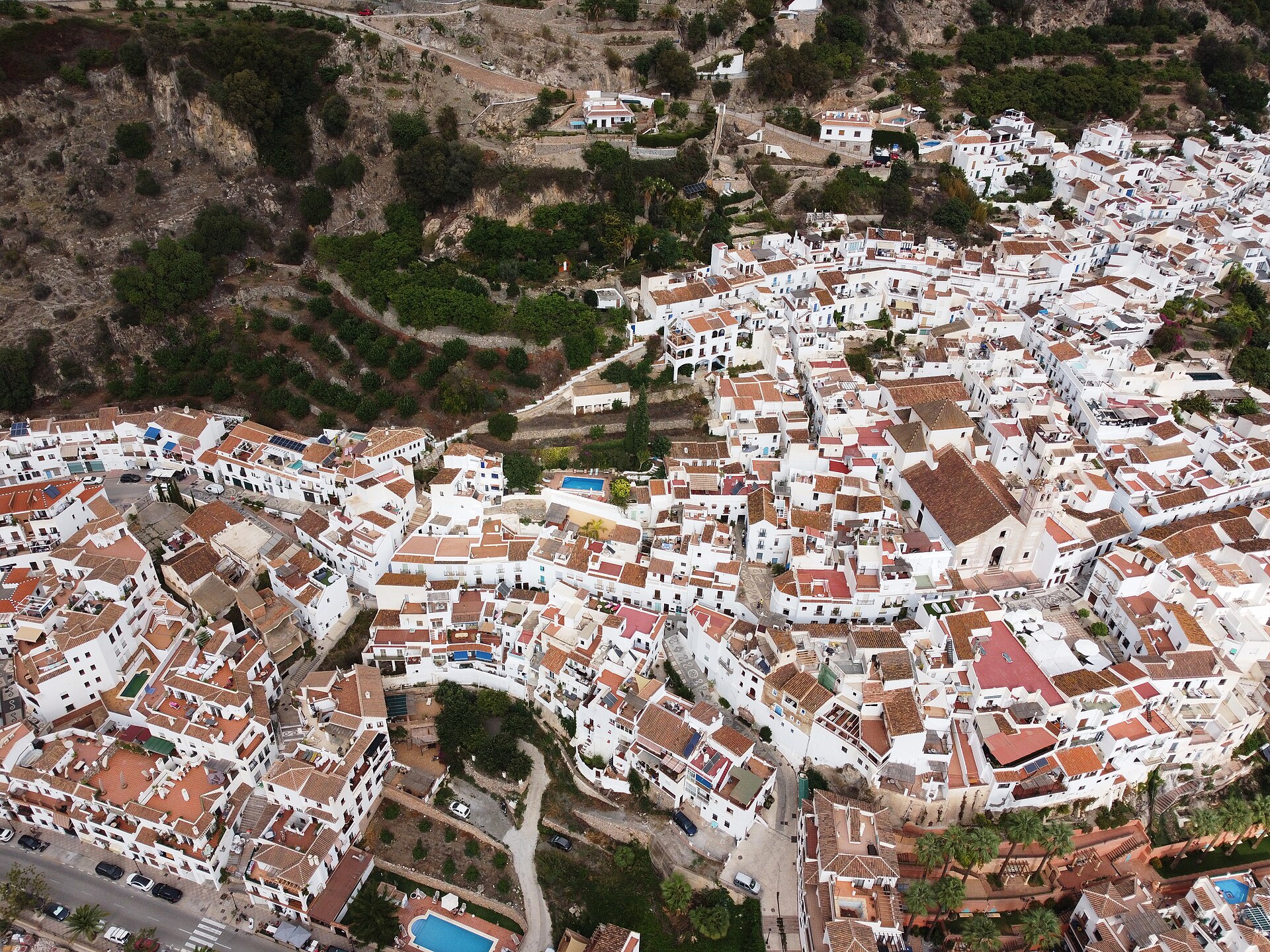
Frigiliana is a white village on a hillside above the Costa del Sol, with blue doors, cobbled lanes climbing in steps and the Mediterranean glinting below. In fact, it is regularly voted the most beautiful village in Andalusia. It is also only 10 minutes from the beach at Nerja, so it works as a base for both.
Do not miss: the old Moorish quarter at the top of the village, the view from the Mirador, the Friday market and a glass of the local sweet wine.
Stay: Hotel Villa Frigiliana, with a pool above the village, is the comfortable choice. Alternatively, La Posada Morisca, just outside, has the sea views.
Getting there: 1 hour by car from Málaga airport. There are buses from Nerja, but a car is easier.
20. Monsaraz, Portugal
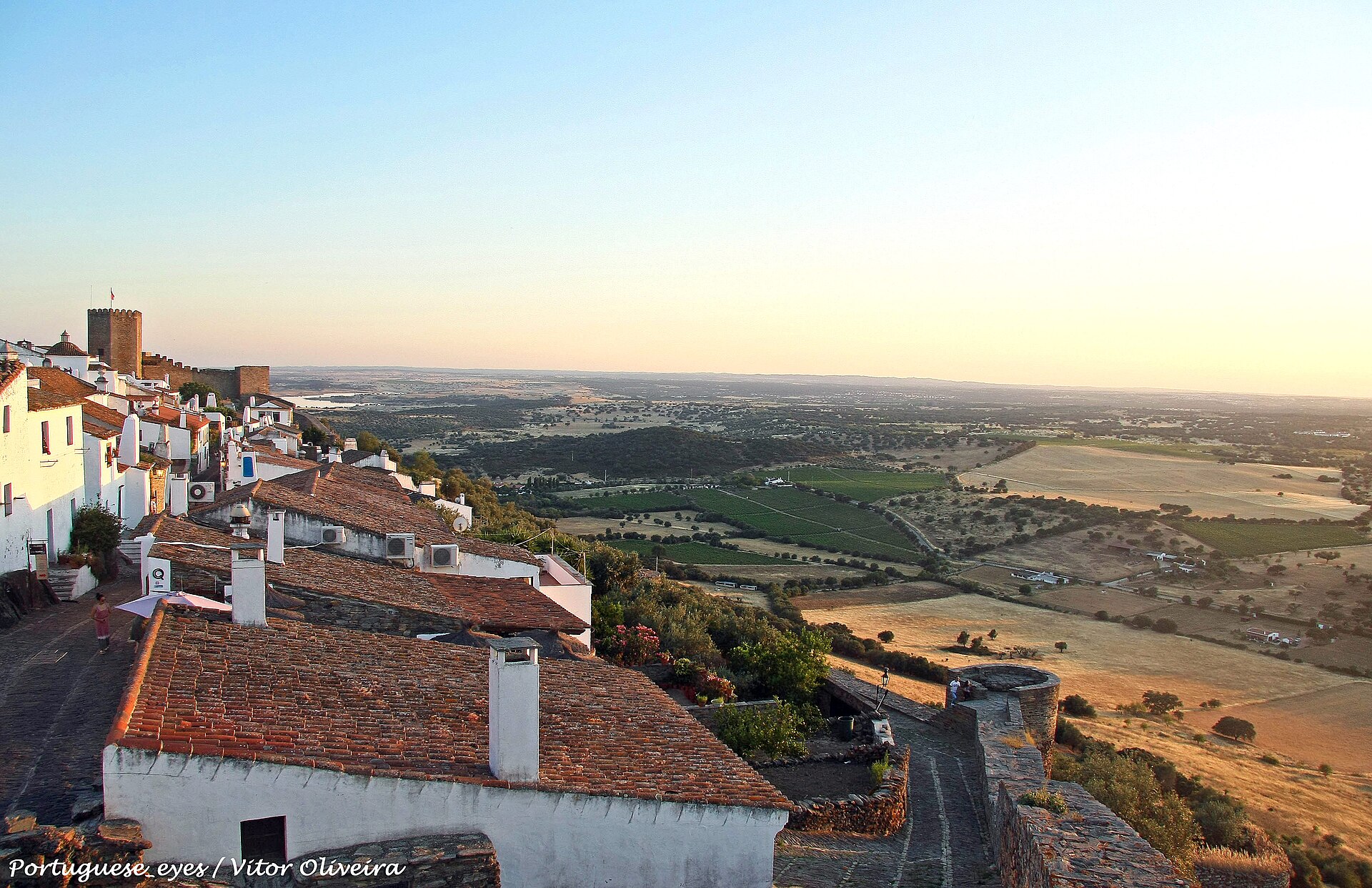
Monsaraz is a walled village on a hill above the Alqueva reservoir in Portugal’s Alentejo, with whitewashed houses, slate streets and a castle at one end. Today, fewer than 50 people live inside the walls. It is in one of the darkest skies in Europe, so the stars are extraordinary, and the wine from the slopes below is excellent.
Do not miss: the castle walls at sunset over the lake, the Dark Sky stargazing tour, a swim in the Alqueva and a tasting at Herdade do Esporão, 30 minutes away.
Stay: Monte Alerta, a farmhouse just below the village, is the charming choice. Alternatively, São Lourenço do Barrocal, 15 minutes away, is one of the best country hotels in Portugal.
Getting there: 2 hours by car from Lisbon. There is no useful public transport, so combine it with Évora on a road trip.
21. Oia, Greece
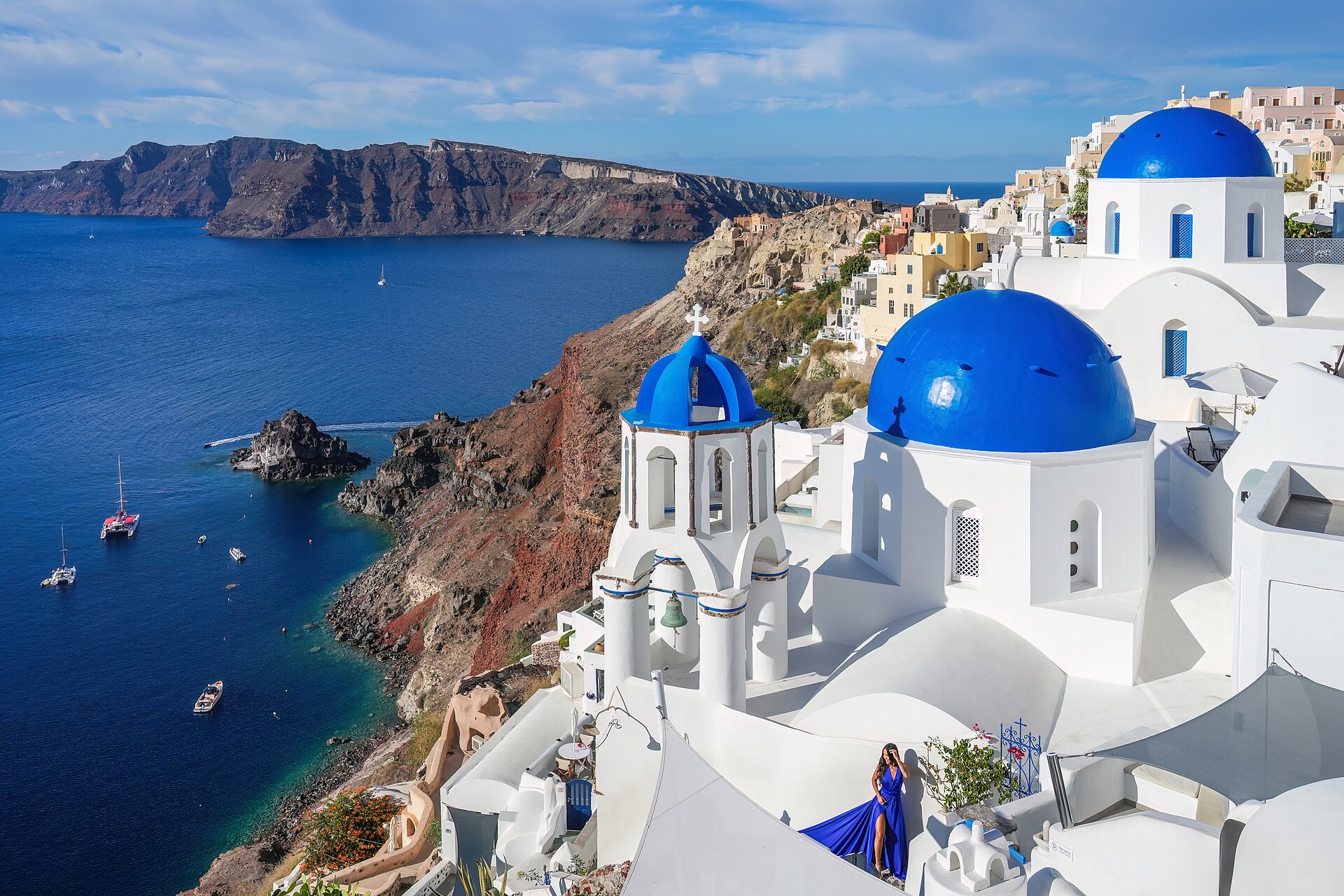
Oia is the village at the northern tip of Santorini, where white cube houses and blue domes cling to the rim of a volcanic caldera 300 metres above the sea. The sunset from the castle ruins, of course, is the most famous in Greece. It is crowded, expensive and still worth it, especially in May or October.
Do not miss: sunset from the Byzantine castle ruins, the walk along the caldera rim to Fira, which takes three hours, and the steps down to Ammoudi Bay for grilled fish by the water.
Stay: Canaves Oia Suites, carved into the cliff with private pools, is the honeymoon address. Alternatively, Perivolas has the famous infinity pool.
Getting there: 30 minutes by car from Santorini airport or the ferry port. Book transfers ahead, because taxis are scarce.
The most beautiful small towns in Europe: the north and the east
These four are further from the usual routes, and each one is a trip in itself. As a result, they are also the quietest towns on this list.
22. Reine, Norway
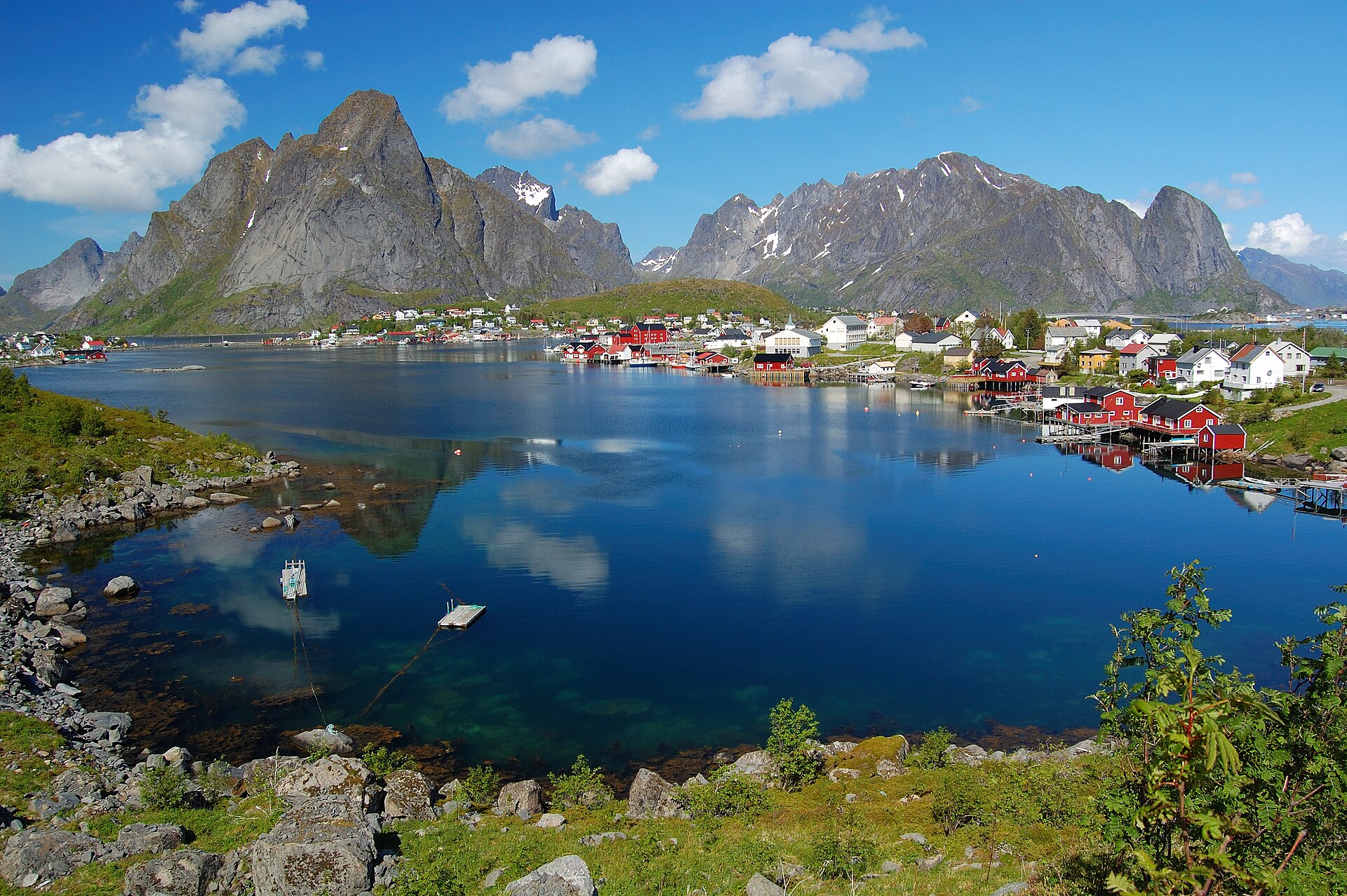
Reine is a fishing village of red cabins on stilts, set on a fjord beneath granite peaks in the Lofoten Islands, 100 kilometres inside the Arctic Circle. During summer the sun never sets, while in winter the northern lights do. Altogether, it is the most dramatic setting of any town on this list.
Do not miss: the hike up Reinebringen, 1,978 stone steps to the view over the whole fjord, a kayak between the islands and a stay in a rorbu, a converted fisherman’s cabin.
Stay: Reine Rorbuer, a cluster of restored rorbuer on the water, is the one to book. Alternatively, Eliassen Rorbuer in Hamnøy has the most photographed view in Lofoten.
Getting there: 1 hour 30 by car from Leknes airport, or 3 hours from Svolvær. Either way, fly via Bodø from Oslo.
23. Rovinj, Croatia
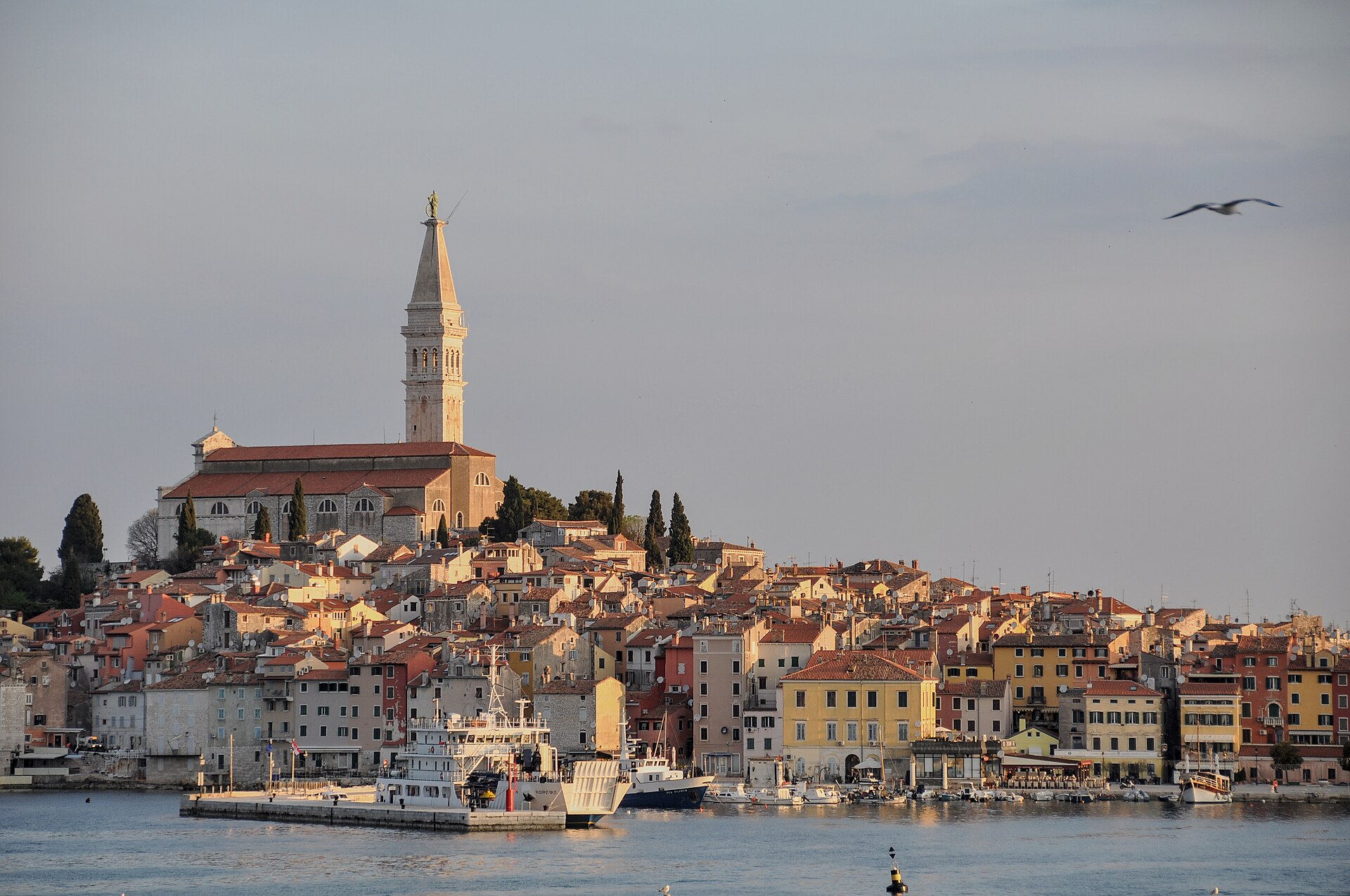
Rovinj is a Venetian fishing town on a peninsula in Istria, with pastel houses pressed shoulder to shoulder, a campanile copied from St Mark’s and a rocky shoreline you can swim from straight off the old town. It is the most beautiful town on the Adriatic, and far quieter than Dubrovnik. The truffles and olive oil from the hills behind are, in addition, a bonus.
Do not miss: the church of St Euphemia at the top for the view, a swim from the rocks below the old town, dinner at the Monte restaurant and a day trip inland to Motovun.
Stay: Grand Park Hotel Rovinj, across the harbour with views of the old town, is the best hotel in Istria. Otherwise, Hotel Adriatic, on the main square, is the historic boutique choice.
Getting there: 40 minutes by car from Pula airport or 2 hours from Trieste. See our 10 best places to visit in Croatia for the rest of the coast.
24. Sighișoara, Romania
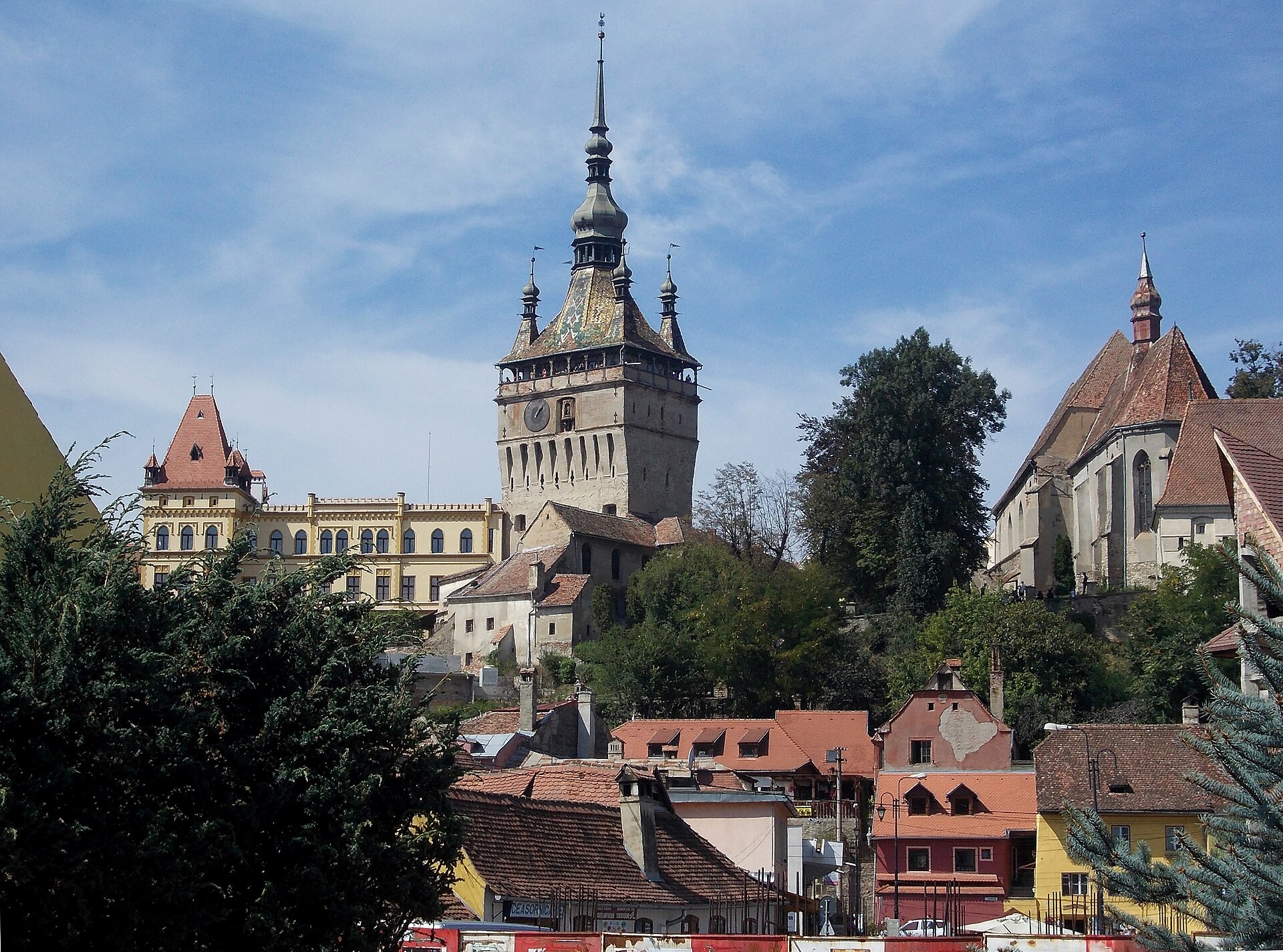
Sighișoara is a medieval Saxon citadel in the heart of Transylvania, with nine towers, pastel houses along cobbled lanes and a covered wooden staircase up to the church on the hill. It is a UNESCO site, it is still inhabited and, most famously, Vlad the Impaler was born in a house on the main square. It is also, by a distance, the least visited town on this list.
Do not miss: the Clock Tower and its museum, the Scholars’ Stairs to the Church on the Hill, and the fortified Saxon churches at Biertan and Viscri, an hour away.
Stay: Casa Georgius Krauss, a restored 16th-century house inside the citadel, is the one to book. Otherwise, Fronius Residence is the quiet alternative.
Getting there: 3 hours by train from Brașov or 5 hours from Bucharest. A car, however, makes the Saxon villages much easier.
25. Ærøskøbing, Denmark
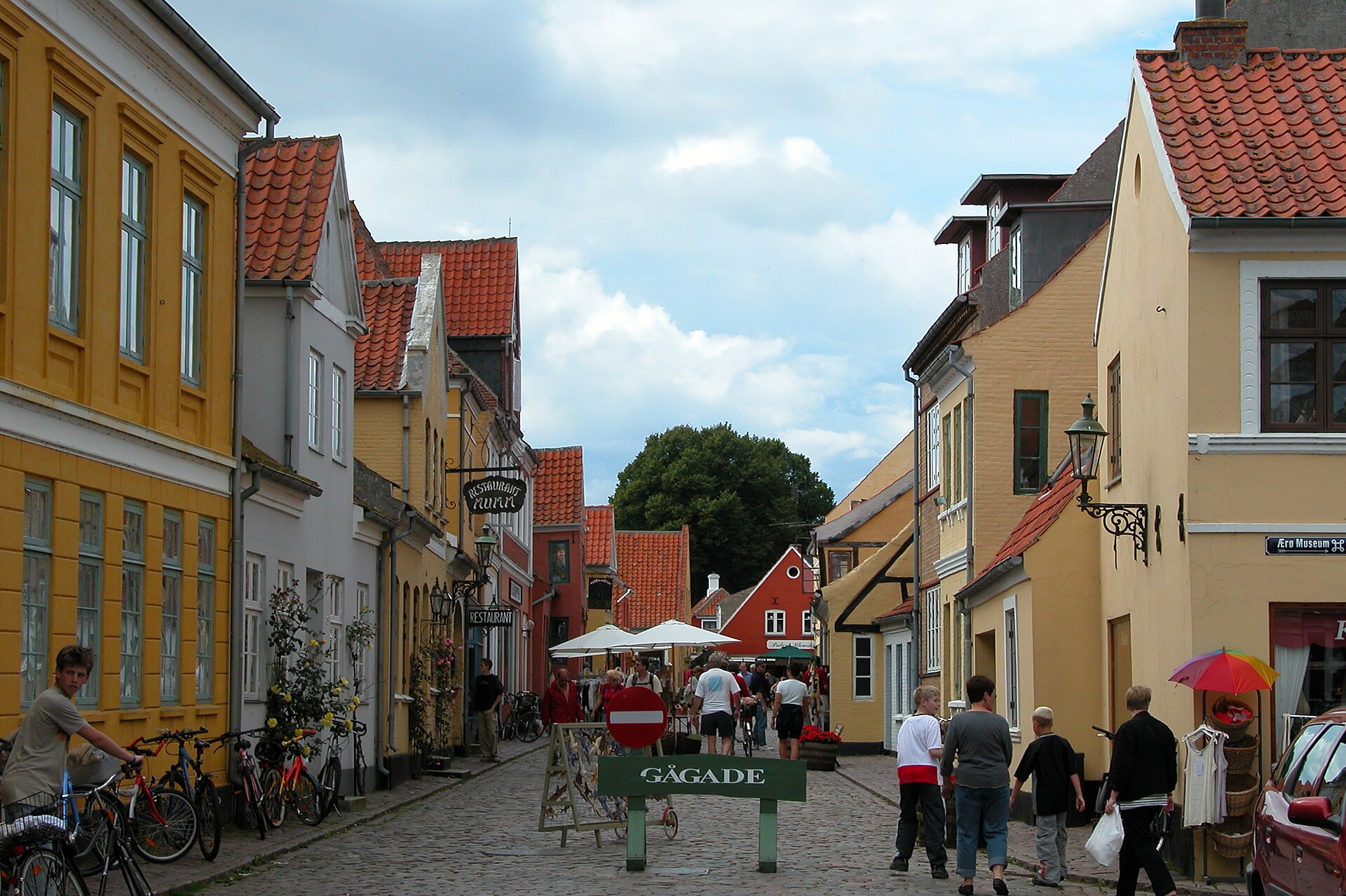
Ærøskøbing is a town of 18th-century merchants’ houses on the tiny island of Ærø in the Danish South Sea, with cobbled lanes, hollyhocks against every wall and a beach lined with colourful bathing huts. In fact, nothing has been built in the centre for 200 years. It is as calm as Europe gets, and in summer the island runs on bicycles.
Do not miss: the bathing huts on Vesterstrand at sunset, a cycle around the island, the ship-in-a-bottle museum and the Friday night market in summer.
Stay: Hotel Ærøhus, a 19th-century inn with a garden in the old town, is the charming choice. Alternatively, Pension Vestergade 44 is a beautifully restored townhouse.
Getting there: 1 hour by ferry from Svendborg on Funen, which is 2 hours by train from Copenhagen. Then, leave the car behind and hire bikes.
How to plan a trip around the most beautiful small towns in Europe
You cannot see all 25 in one trip, and you should not try. Instead, pick one region and give each town at least one night, because the best hours in every one of them are before 10am and after 5pm. These four routes cover the best of the list.
| Route | Days | Towns | Base | Fly into |
|---|---|---|---|---|
| Alpine loop | 8 | Hallstatt, Český Krumlov, Rothenburg, Cochem | Hallstatt, Krumlov, Rothenburg | Munich or Vienna |
| Switzerland and Slovenia | 7 | Gruyères, Lauterbrunnen, Bled | Lauterbrunnen, then Bled | Zurich, out of Ljubljana |
| Low Countries and northern France | 7 | Giethoorn, Bruges, Colmar, Dinan | Bruges, Colmar, Dinan | Amsterdam, out of Paris |
| Britain and Ireland | 7 | Bibury, Castle Combe, Dingle | Cotswolds, Bath, Dingle | London, out of Cork |
When to go to Europe’s small towns
May, June and September are the months to aim for across the continent. The Alpine and northern towns are best from June to September, because many hotels close in winter. The southern towns, on the other hand, are better in spring and autumn. December is the exception, since Rothenburg, Colmar and Bruges are at their best during the Christmas markets.
Getting around the small towns
Trains reach more of these towns than you would expect: Bruges, Colmar, Hallstatt, Lauterbrunnen, Manarola and Český Krumlov all work without a car. However, you will need one for the Cotswolds, Dingle, the Alentejo, the Moselle and Lofoten. Our guide to Europe’s most walkable cities is a good companion for the days in between.
Budget for small-town Europe
Small towns are cheaper than cities for everything except hotels, where the best places are small and book out months ahead. For example, expect €150 to €250 a night for a good hotel in most of these towns, and €500 and up for the famous ones in Èze, Ravello and Oia. Our guide to travel costs in Europe has the full breakdown.
Frequently asked questions about the most beautiful small towns in Europe
Which are the most beautiful small towns in Europe overall?
Hallstatt, if you want one answer, tops the most beautiful small towns in Europe. It has the lake, the mountains and the houses, and nowhere else combines all three so perfectly. Bled and Ravello, meanwhile, are the closest rivals.
Which of the most beautiful small towns in Europe are the least crowded?
Monsaraz, Sighișoara, Cudillero and Ærøskøbing. All four are beautiful small towns with almost no tour groups, because they are far from an airport. Reine is also quiet outside July and August, for example.
Which of the most beautiful small towns in Europe can you reach by train?
Hallstatt, Bled (via Lesce-Bled), Český Krumlov, Cochem, Gruyères, Lauterbrunnen, Giethoorn, Bruges, Colmar, Manarola and Ærøskøbing all work by train, sometimes with a short bus or ferry at the end. The rest, however, need a car.
When is the best time to visit the most beautiful small towns in Europe?
In short, late May to June and September. You get warm weather, open hotels and far smaller crowds than in July and August. For Christmas markets, go to Rothenburg, Colmar or Bruges in the first two weeks of December.
What are the most beautiful small towns in Europe for a honeymoon?
Ravello, Èze, Oia and Bled. Each one has a romantic hotel and, equally, a view to match. For more, see our most romantic regions in Europe.
How many of the most beautiful small towns in Europe can you see in one trip?
Four or five in a week, if they are in the same region. In general, one night in each is the minimum, and two is better. Trying to do more than that turns a slow trip into a fast one, which defeats the point.
Keep exploring Europe
Once these small towns in Europe are ticked off, our fairytale towns in Europe, 25 most beautiful villages in France and 15 best small towns in Italy go deeper on the countries with the most to offer.
For the bigger picture, there is our 30 most beautiful cities in Europe, the Europe bucket list and the 50 best things to do in Europe. For opening hours and seasonal closures, UNESCO’s site lists the World Heritage towns on this page.

Brooke is a Tasmanian-born writer and professional baker who started World of Wanderlust in 2013 and has since travelled to 86 countries. These days her guides focus on what she knows best: the bakeries, hotels and places worth crossing the world for.
