
Europe was where I fell in love with solo travel. I spent most of my twenties returning to it again and again — watching the sun drop behind the rooftops of Paris, cycling home along Amsterdam’s canals at dusk, eating alone at a corner table in Lisbon and feeling completely at ease. After more solo trips to Europe than I can count, across every season and every budget, I know which cities reward independent travellers and which ones are harder work than they’re worth.
This is my updated guide to the best cities to travel solo in Europe in 2026 — chosen not just because they’re beautiful, but because they’re genuinely well-suited to solo exploration: safe, easy to navigate, socially welcoming, and rich enough in things to do that you’ll never wish you’d brought company.

What makes a European city good for solo travel?
The best solo travel cities in Europe share a handful of qualities that go beyond scenery. Safety matters enormously — not just crime statistics, but how welcoming a city feels to someone navigating it alone, especially as a woman. Walkability and public transport determine how much you can see without depending on a group. And social infrastructure — the kind of city where it’s easy to strike up a conversation, find a shared tour, or sit comfortably alone at a restaurant — makes the difference between solo travel that feels liberating and solo travel that feels isolating.
Every city in this list scores well across all of these. They’re places I’ve experienced alone and would return to without hesitation.
The best cities to travel solo in Europe
Amsterdam, Netherlands
Amsterdam is one of those cities that seems designed for solo exploration. The historic canal district — the part most visitors come to see — is compact enough to cover entirely on foot, which means you’re never far from something worth stopping for. World-class museums sit within walking distance of each other: the Rijksmuseum, the Van Gogh Museum, and the Anne Frank House are all within a 20-minute walk. On a grey winter afternoon, you could spend an entire day moving between them and feel completely content.
Once you’ve done the centre, rent a bike. This is not a tourist activity in Amsterdam — it’s simply how the city moves — and cycling through the Jordaan neighbourhood or out along the Amstel River gives you a completely different experience of the city. Amsterdam also has one of the most welcoming solo travel atmospheres in Europe; the locals are used to independent travellers, English is universally spoken, and the cafe culture makes it easy to spend an afternoon alone without it feeling awkward.
Read more: Solo in Amsterdam: The Best Things to do in Amsterdam Solo
Best for: First-time solo travellers in Europe; museum lovers; city walkers
How long to spend: 3–4 days for the city; add 2–3 days to explore beyond Amsterdam
Getting around: Almost entirely on foot or by bike; trams for longer distances
Best time to visit: April–May (tulip season, mild weather) or September–October (fewer crowds)
Don’t miss: The Jordaan neighbourhood at night; a canal boat tour at dusk; Vondelpark on a sunny afternoon
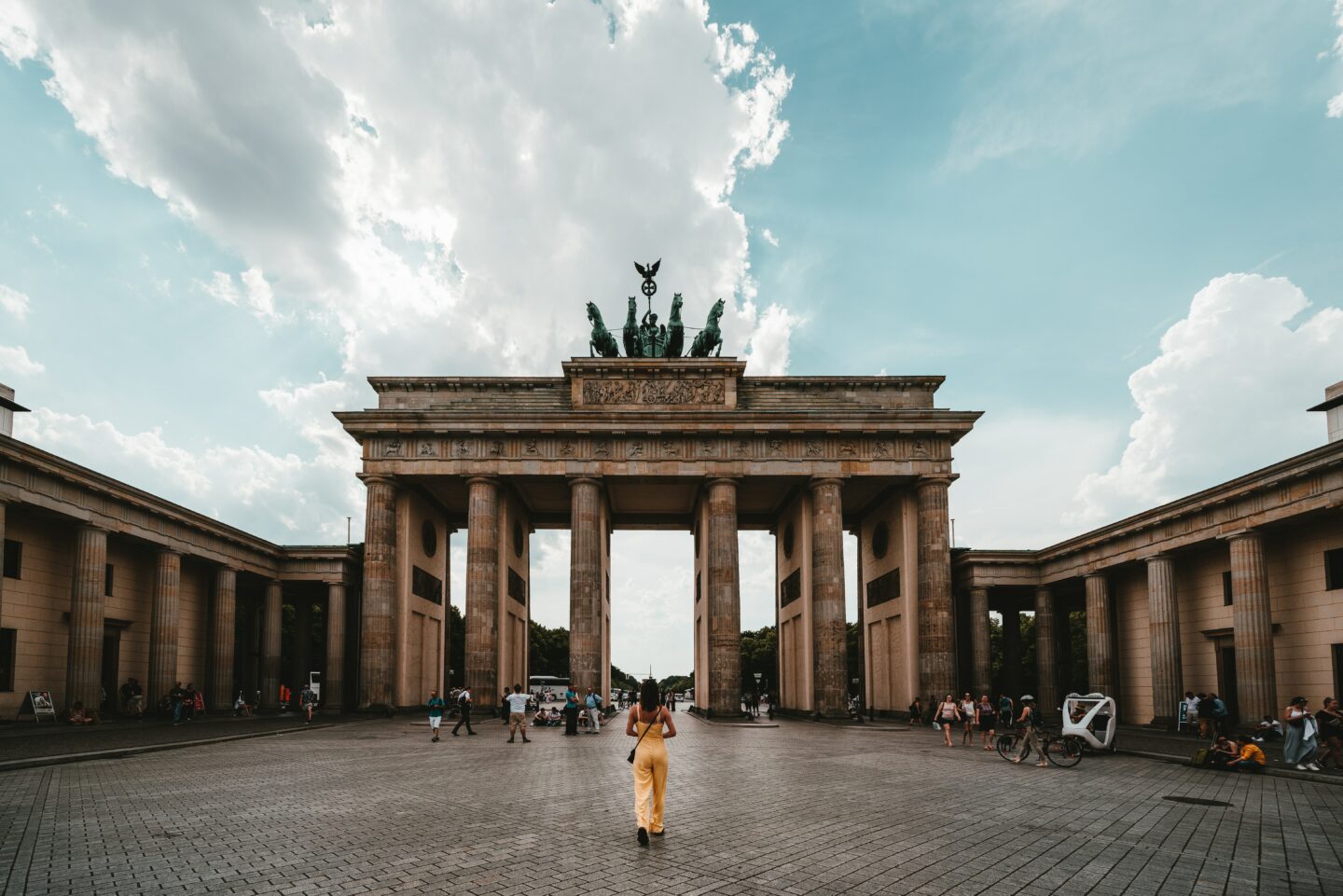
Berlin, Germany
Berlin is unlike any other city in Europe, and it rewards solo travellers who are curious enough to go beyond the obvious. The history alone — the Wall, the Reichstag, the Holocaust Memorial, the DDR Museum — could fill a week, and the city’s public transport system (one of the best on the continent) makes it genuinely easy to move around without a car or a companion. Berlin is sprawling, so don’t make the mistake of trying to do it all on foot: buy a day pass and use the U-Bahn and S-Bahn freely.
The real Berlin, though, is in the neighbourhoods. Once you’ve done the history in Mitte and Alexanderplatz, head to Kreuzberg for street food and flea markets, Prenzlauer Berg for coffee shops and architecture, and Neukölln for the kind of low-key local energy that reminds you why people move to this city and never leave. I lived in Berlin for a few months in my twenties and consider it one of the most interesting cities in the world for a solo traveller — there’s always something unexpected around the corner.
Cost: One of the most affordable major cities in Western Europe
Best for: History buffs; art and culture lovers; solo travellers who like urban exploring
How long to spend: 4–5 days minimum; a week if you want to see the neighbourhoods properly
Getting around: Excellent public transport — buy a 7-day travel pass on arrival
Best time to visit: May–September for outdoor markets and beer gardens; December for Christmas markets
Don’t miss: East Side Gallery; Tempelhof Field (an old airport turned public park); the street art in Kreuzberg
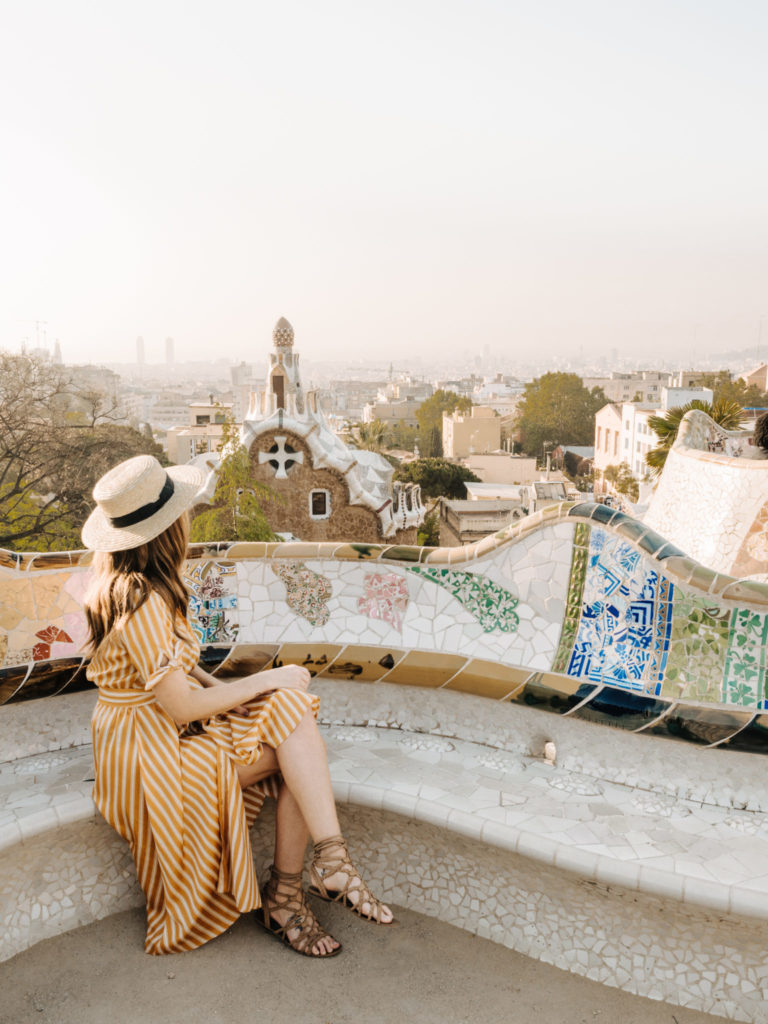
Barcelona, Spain
Barcelona has a quality that few cities can match: it genuinely has everything. Architecture (Gaudí’s Sagrada Família and Park Güell are unlike anything else in Europe), food (the Boqueria market, neighbourhood tapas bars, the seafood along Barceloneta), beaches, art, nightlife, and a Mediterranean warmth that makes the city feel welcoming from the moment you arrive. Solo travel in Barcelona is easy because there’s so much to do independently, and the city’s energy means you’re never the only person sitting alone at a bar or a restaurant.
The most important advice for Barcelona: don’t spend all your time on La Rambla. It’s worth a walk, but the city is so much better in the Gothic Quarter, the El Born neighbourhood, and the quieter streets of Eixample. Book the Sagrada Família in advance — the queues without a ticket are brutal — and if you can, visit Park Güell early in the morning before the day-trippers arrive.
Read more: The 15 Best Things to Do in Barcelona
Best for: Solo travellers who want variety — culture, beach, food, and nightlife in one city
How long to spend: 4–5 days
Getting around: Metro is excellent; the city is very walkable in the centre
Best time to visit: April–June or September–October (hot but not overwhelming; fewer crowds)
Don’t miss: Sagrada Família (book ahead); a vermouth crawl through the Gothic Quarter; the view from Bunkers del Carmel at sunset
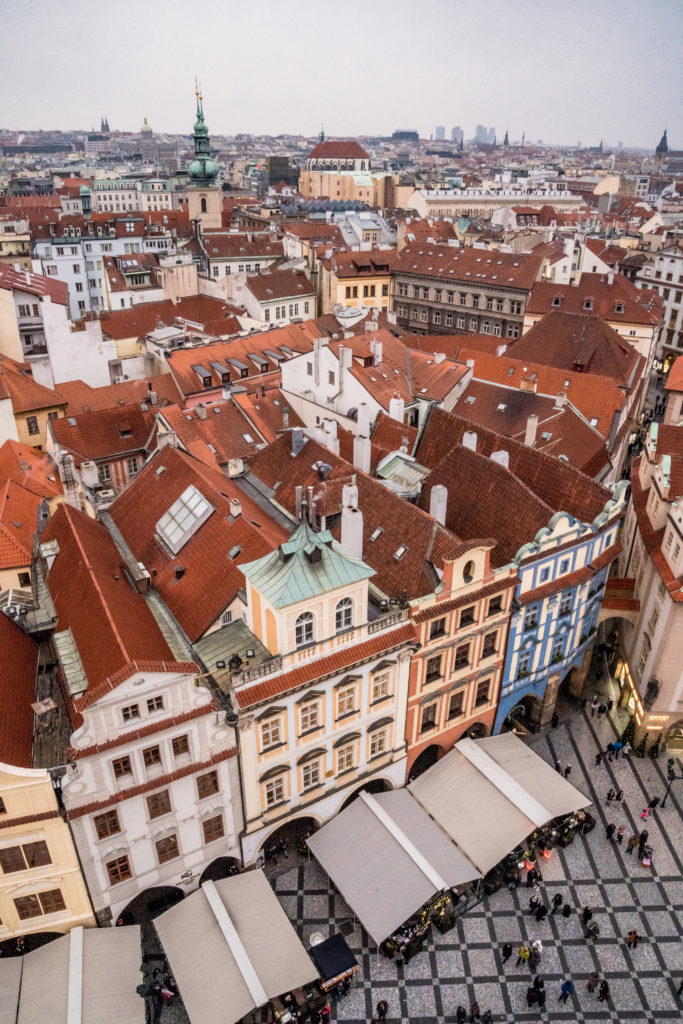
Prague, Czech Republic
Prague might be the most visually stunning city in Europe for solo wandering. The Old Town is a medieval masterpiece — cobblestone squares, Gothic spires, and the astronomical clock that draws a crowd every hour — and it’s compact enough to cover entirely on foot. Prague Castle on the hill above the city is one of the largest castle complexes in the world and easily a half-day on its own. The city is big enough that you’ll always find something new, but small enough that you’ll never feel lost.
Go beyond the tourist centre if you can. My favourite find in Prague was Lehka Hlava, a vegetarian restaurant tucked down a side street near the Old Town — one of the best meals I’ve had in Europe, and the kind of place you only discover when you’re wandering alone without a group agenda. Prague is also one of the most affordable capitals in Europe, which makes solo travel here exceptionally good value.
Read more: The 10 Best Things to do in Prague
Best for: Solo travellers who love architecture, history, and walkable cities
How long to spend: 3–4 days
Getting around: Almost entirely walkable in the centre; trams for further neighbourhoods
Best time to visit: March–May or September–October (avoid July–August peak crowds)
Don’t miss: Charles Bridge at dawn before the crowds; Vinohrady neighbourhood for local cafes; a day trip to Český Krumlov
Cost: One of the most affordable cities on this list — excellent value for solo travellers
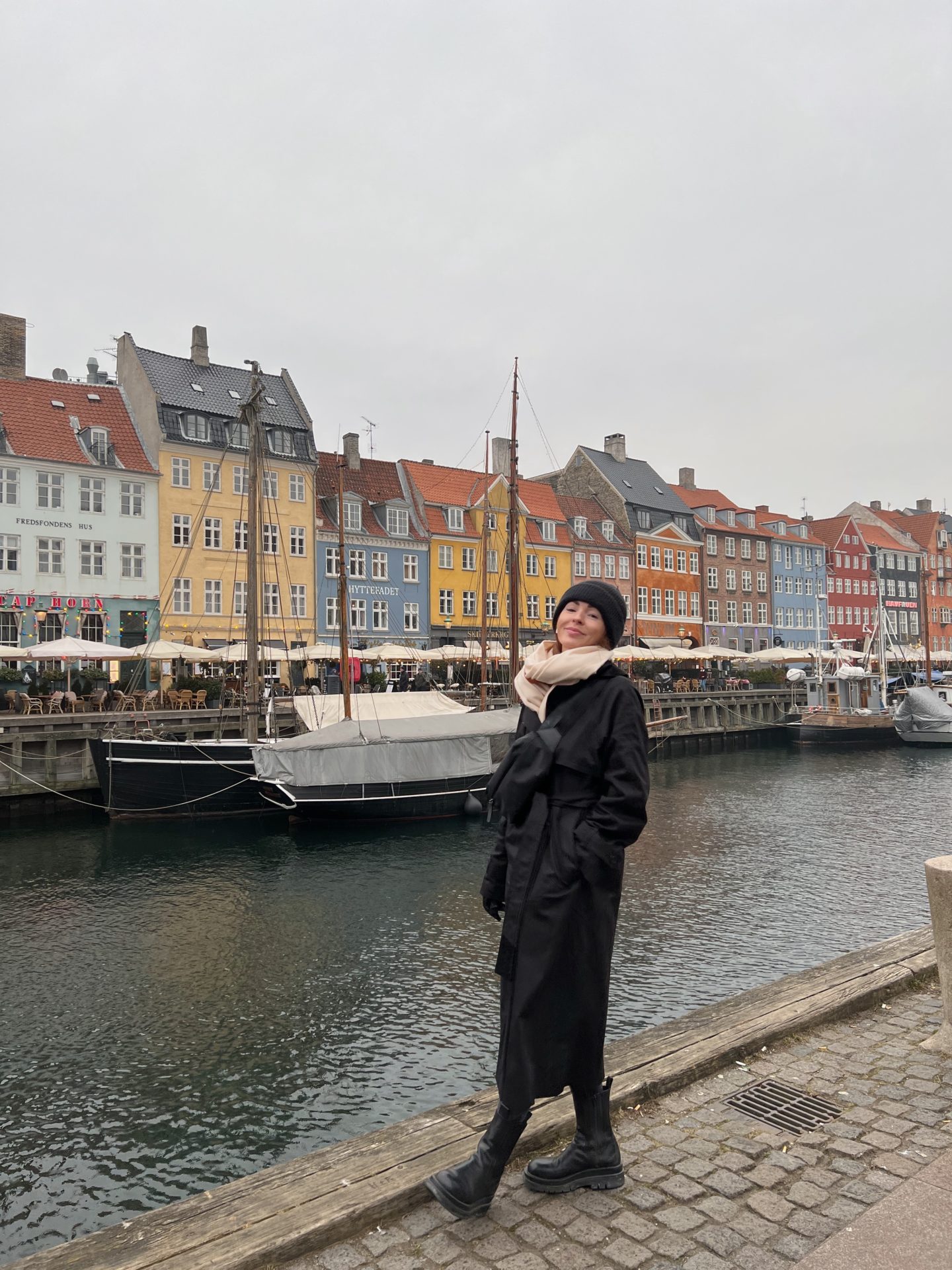
Copenhagen, Denmark
Copenhagen consistently ranks among the happiest cities in the world to live in, and that warmth is immediately apparent as a visitor. The city is beautifully designed — cycling infrastructure, sustainable food culture, architecture that’s both grand and human-scaled — and it has a way of making solo travel feel easy and natural. The Danes are not the most immediately gregarious people in Europe, but the city’s cafe culture (hygge in practice, not just in theory) means there’s always somewhere comfortable to sit alone and feel at home.
Both of my visits to Copenhagen have been solo in winter, which I’d recommend over the summer crowds. Yes, it’s cold — but the Christmas markets are exceptional, the museums are uncrowded, and there’s genuine pleasure in ducking into a warm, candlelit cafe when the temperature drops. In summer, the city comes alive outdoors: Nørrebro and Vesterbro are the neighbourhoods to explore, full of independent restaurants and bars that feel nothing like tourist traps.
Read more: The 15 Best Things to do in Copenhagen
Best for: Design lovers; solo travellers who appreciate a slower, more considered pace
How long to spend: 3–4 days
Getting around: Excellent cycling infrastructure; very walkable in the centre; Metro for longer trips
Best time to visit: June–August for outdoor life; December for hygge and Christmas markets
Don’t miss: Nyhavn at sunset; Torvehallerne food market; a day trip to Malmö, Sweden (20 minutes by train)
Cost: One of the more expensive cities in Europe — budget accordingly, especially for food and drinks
Lisbon, Portugal
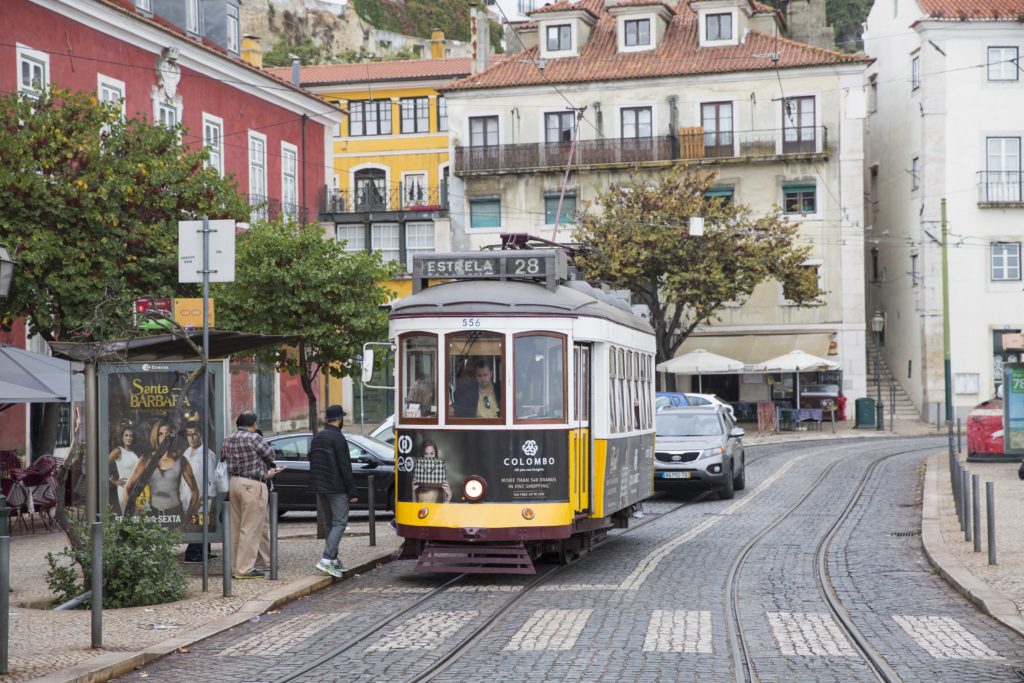
Lisbon has a quality that I don’t often find in European capitals: it feels genuinely, unselfconsciously itself. The Alfama district — the oldest neighbourhood, winding uphill from the river — is unlike anything else in Europe, all terracotta rooftops and Fado music drifting from open windows. The city is hilly, which makes it tiring to walk but endlessly rewarding; every climb leads to a miradouro (viewpoint) with a view across the Tagus that makes you stop and stare.
For solo travellers, Lisbon is exceptional. The locals are among the warmest and most genuinely welcoming I’ve encountered anywhere in Europe, the food and wine are extraordinary and remarkably affordable, and the city has a relaxed energy that makes it easy to slow down and simply exist somewhere beautiful. Take the famous Tram 28 through the city, make the trip to Belém for the Pastéis de Belém (the original, and still the best, Portuguese custard tart), and save an evening for dinner along the waterfront at Cais do Sodré.
Read more: The Ultimate Lisbon Bucket List
Best for: Solo female travellers; food lovers; anyone wanting a European city that doesn’t feel overrun
How long to spend: 4–5 days in Lisbon; add a day trip to Sintra
Getting around: Trams and funiculars for the hills; very walkable in the centre
Best time to visit: March–May or September–November (warm, uncrowded, and beautiful)
Don’t miss: Alfama at sunset; the Pastéis de Belém in Belém; a Fado dinner in the old town
Cost: One of the best-value capitals in Western Europe

Budapest, Hungary
With its beautiful architecture, thermal baths, and vibrant nightlife, Budapest is a great destination for solo travelers. The city is divided by the Danube River, and there are plenty of beautiful bridges and parks to explore.
Home to the famous public bath houses, Széchenyi Bath and Gellért Bath are two of the most famous to experience. Of course take a long walk along the Danube River to get a feeling for the scope and size of this city, then be sure to take in the views from Buda Castle.
Over to you – which are your favourite cities to travel solo in Europe? Let us know in the comments or follow us on Instagram to stay up to date.
FAQ — Solo Travel in Europe
Is Europe safe for solo female travellers?
Europe is among the safest regions in the world for solo female travellers, and all six cities in this guide rank highly for safety. Standard precautions apply — be aware of your surroundings at night, keep valuables secure, and use licensed taxis or rideshare apps rather than unmarked vehicles. The cities on this list — Amsterdam, Berlin, Barcelona, Prague, Copenhagen, and Lisbon — are all well-policed, well-lit, and well-accustomed to independent female travellers.
What is the cheapest city in Europe for solo travel?
Prague and Lisbon are consistently the best-value cities on this list. Prague in particular offers exceptional affordability — accommodation, food, and drinks cost a fraction of what you’d pay in Amsterdam or Copenhagen. Lisbon has risen in price over recent years but remains significantly cheaper than Northern European capitals.
What is the best time of year to travel solo in Europe?
Shoulder season — April to June and September to October — is the sweet spot for most European cities. The weather is good, the crowds are manageable, and prices are lower than peak summer. Winter travel (November to February) works particularly well in Copenhagen and Prague, where the atmosphere is cosy rather than bleak.
How do I meet people while travelling solo in Europe?
Europe has one of the world’s best hostel networks, and social accommodation remains the easiest way to meet fellow travellers. Group day tours (free walking tours run in every major city), cooking classes, and solo-friendly food tours are also excellent. Most European cities are naturally social — sitting at a bar alone is completely normal, and striking up conversation is easier than you’d expect.
Do I need to speak the local language to travel solo in Europe?
Not in any of the cities on this list. English is widely spoken in Amsterdam, Berlin, Barcelona, Prague, Copenhagen, and Lisbon — particularly in hotels, restaurants, and tourist areas. Learning a few words of the local language (thank you, please, excuse me) is always appreciated but not necessary for day-to-day navigation.
How many cities can I visit in one solo Europe trip?
A common mistake is trying to cover too many cities in one trip. For a first solo Europe trip, two or three cities over two to three weeks gives you enough time to actually experience each place rather than just tick it off. Amsterdam and Berlin pair well together (easy flight or overnight train). Lisbon and Barcelona work as a sun-soaked Iberian combination. Prague and Copenhagen can be combined with a budget flight between them.

Brooke Saward founded World of Wanderlust as a place to share inspiration from her travels and to inspire others to see our world. She now divides her time between adventures abroad and adventures in the kitchen, with a particular weakness for French pastries.
