
Rome doesn’t really do delicate. This is a city that treats bread and pastry as something closer to sustenance and ritual than indulgence — you eat your cornetto standing up, elbow to elbow with a dozen strangers, coffee in hand, and you’re back on the street within four minutes. There’s no elaborate plating culture here, no French-style precision for its own sake — what Rome does instead is deceptively simple, deeply ingredient-driven baking that’s barely changed in generations: fresh maritozzi filled with obscene amounts of whipped cream, pizza bianca torn straight from the tray and wrapped in paper, and bread made using fermentation techniques some of these bakeries have quietly perfected over decades while the rest of the food world caught up to sourdough. We’ve spent entire mornings in Rome doing nothing but bakery-hopping between neighbourhoods, and if you’re planning to do the same, these are the ten stops worth building your itinerary — and your appetite — around.
1. Roscioli
If you only have time for one bakery stop in Rome, make it Roscioli. Famous citywide for its bread and pastry counter, it’s as much an institution as it is a shop — attached to a renowned deli and restaurant that draws its own devoted following. The bread counter alone is worth the visit, but it’s worth arriving hungry enough to also try whatever’s come fresh out of the oven that morning, since the selection shifts throughout the day.
2. Regoli
Tucked into the Esquilino neighbourhood, Regoli has been baking since the early 1900s and is widely considered the benchmark for Rome’s most iconic pastry: the maritozzo. These cream-filled sweet buns are a genuine Roman institution, and Regoli’s century of practice shows in the balance between the soft, slightly sweet bun and the generous, unapologetic amount of whipped cream inside.
3. Antico Forno Roscioli
A separate stop from its more famous sibling, Antico Forno Roscioli is where to go specifically for pizza bianca and traditional Roman-style focaccia. This is the kind of bakery locals duck into on the way to somewhere else, emerging with a paper-wrapped slice eaten on the move — simple, salty, olive-oil-drenched, and exactly what Roman bread culture is built on.
4. Pasticceria De Bellis
De Bellis is Rome’s answer to what happens when traditional Italian pastry meets modern, design-forward precision. Every piece here looks almost architectural — clean lines, exact proportions — without losing the flavour integrity of the classic recipes it’s reinterpreting. It’s a good stop for travelers who want to see where Italian pastry tradition is heading next, rather than only where it’s been.
5. Bonci Pizzarium
Technically a pizza al taglio shop rather than a bakery in the traditional sense, Bonci Pizzarium is essential to understanding Rome’s relationship with bread. Gabriele Bonci’s long-fermentation dough and ever-changing, market-driven toppings have made this a pilgrimage stop for anyone serious about Roman baking, and it’s often cited as the standard every other pizza al taglio shop in the city is measured against.
6. Panificio Bonci
From the same team behind Pizzarium, Panificio Bonci shifts the focus specifically to bread and baked goods, using the same exacting fermentation philosophy. It’s a quieter, less crowded way to experience Bonci’s technique if the queues at Pizzarium feel like too much of a commitment.
7. Pasticceria Boccione
Hidden in Rome’s old Jewish Ghetto, Boccione is one of the city’s most historically significant bakeries — a family-run institution for generations, famous for its dense ricotta and sour cherry tart. There’s no seating, no fuss, and often no clear sign out front, which is exactly the point; this is a bakery that has never needed to try.
8. Faggiani
Widely regarded as one of the best pure bread bakeries in Rome, Faggiani has built its reputation on long-fermentation techniques that produce a genuinely exceptional crust and crumb. It’s a favourite among Rome’s food-obsessed locals rather than a tourist stop, which makes it worth the slight detour to track down.
9. Cristalli di Zucchero
For a more refined, French-influenced take on Italian pastry, Cristalli di Zucchero offers delicate, technically precise desserts that sit slightly outside Rome’s more rustic baking tradition. It’s a good contrast stop if you’ve spent the morning eating cornetti standing at a bar counter and want something a little more considered in the afternoon.
10. Pasticceria Barberini
A classic, old-school pastry counter near the Trevi Fountain, Barberini is exactly the kind of unpretentious neighbourhood spot Romans have relied on for decades — perfect for a quick espresso and cornetto between sightseeing stops, without needing to seek out anything more elaborate.
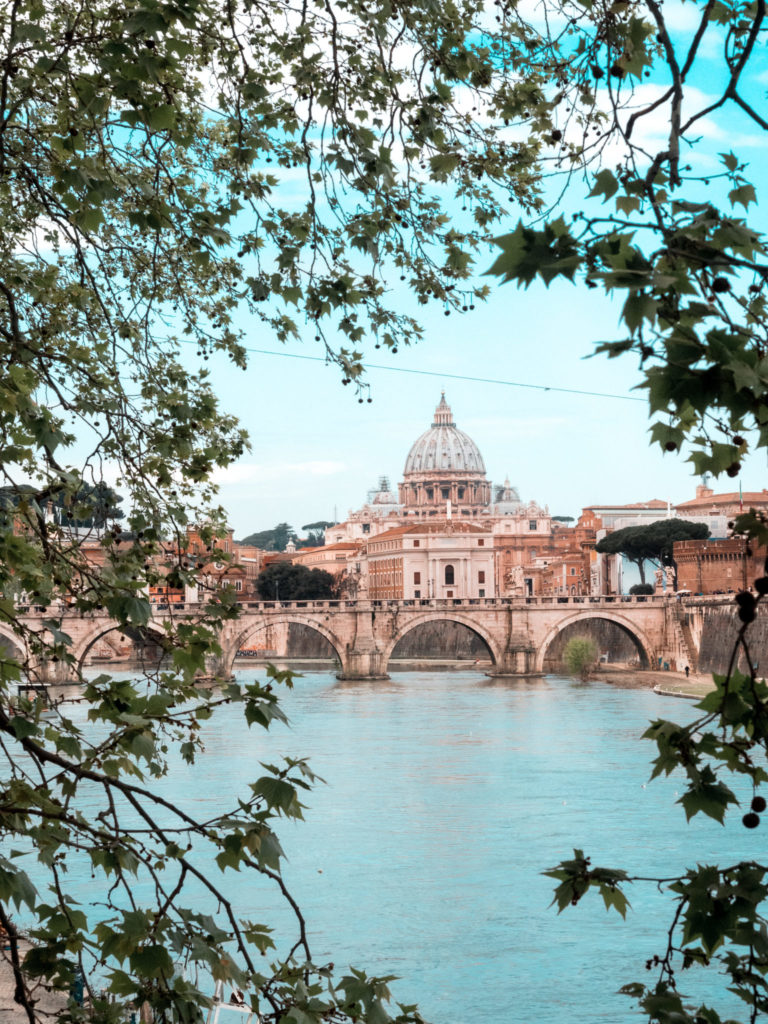
Rome Bakery Neighborhoods to Know
Testaccio and the Jewish Ghetto hold some of Rome’s most historic, tradition-focused bakeries, while the city center is dense with quick espresso-bar-style pastry counters.
FAQs: Bakeries in Rome
What pastry is Rome most known for? The maritozzo — a sweet bun filled with whipped cream — is one of Rome’s most iconic bakery items, alongside cornetti and pizza bianca.
What time do Romans eat pastries? Cornetti are traditionally a breakfast item, eaten standing at a bar counter with an espresso, typically before 10am.
Is Rome a good city for bread lovers? Yes — Rome has a strong long-fermentation bread tradition, with bakeries like Faggiani and Roscioli leading a renewed focus on artisan bread.
Still want more?
The best luxury hotels in Rome
The 7 Most Instagrammable Places in Rome

Brooke Saward founded World of Wanderlust as a place to share inspiration from her travels and to inspire others to see our world. She now divides her time between adventures abroad and adventures in the kitchen, with a particular weakness for French pastries.
