
Japan is the country that ruins other countries. The trains run to the second, the food is extraordinary at every price, and you can go from neon-lit Tokyo to a 1,200-year-old mountain monastery in an afternoon. The best places to visit in Japan cover a huge range, from temples and thatched villages to hot springs, volcanoes and one of the greatest food cities on earth.
This guide ranks the 13 best places to visit in Japan, grouped by region so you can plan a route: Tokyo and around, Kyoto and the Kansai region, and the Japanese Alps. Each entry has what not to miss, where to stay and how to get there. Below the list, you will find the best time to go, how to get around and answers to the questions everyone asks before a first trip.
Quick picks: the best places to visit in Japan for your kind of trip
Short on time? Then choose by what you want from the trip. Each pick links down to its full entry.
| Best for | Place | Region |
|---|---|---|
| A first trip | Kyoto | Kansai |
| City energy | Tokyo | Kanto |
| Food | Osaka | Kansai |
| Hot springs and a ryokan | Hakone | Kanto |
| The classic view of Fuji | Mount Fuji and the Five Lakes | Chubu |
| A temple stay | Koyasan | Kansai |
| Traditional villages | Shirakawa-go | Japanese Alps |
| Old Japan, fewer crowds | Takayama | Japanese Alps |
The best places to visit in Japan: Tokyo and around
1. Tokyo
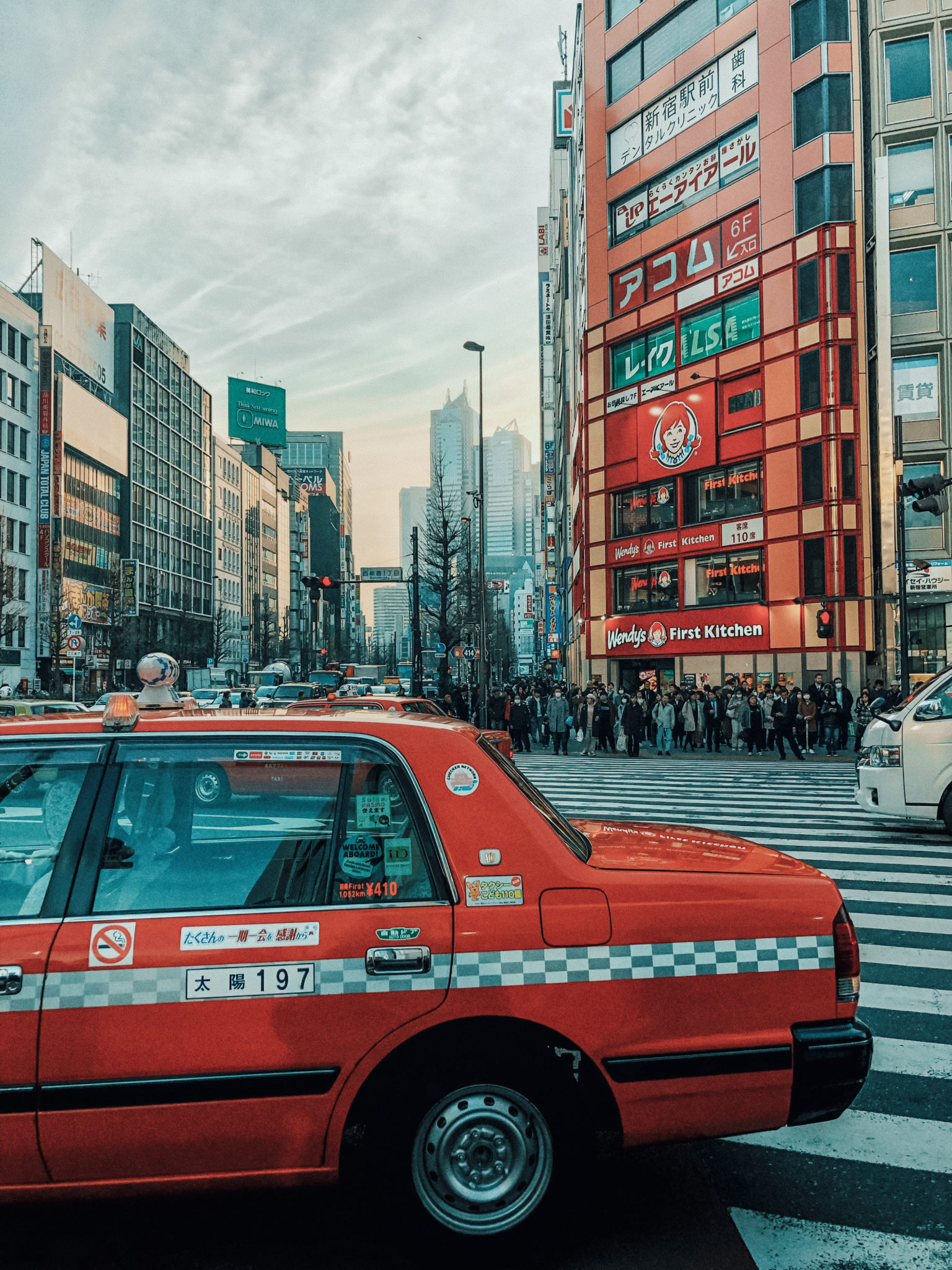
Tokyo is one of the biggest cities in the world and, surprisingly, one of the easiest to visit. It is clean, safe and calm, and it works like a collection of villages, each with its own character. Shibuya and Shinjuku are the neon and the crowds, Harajuku is youth culture, and Asakusa is old Tokyo, with its temple and lantern-lit lanes. Above all, it is the greatest food city in the world, from department store food halls to tiny counters with eight seats.
Do not miss: Shibuya Crossing at night, the Meiji Shrine, Senso-ji in Asakusa early in the morning, the Tsukiji Outer Market and a drink in the tiny bars of Golden Gai. Our quick guide to Tokyo has the rest.
Stay: Aman Tokyo, on the top floors of a tower in Otemachi, is the calmest hotel in the city. Alternatively, Hoshinoya Tokyo is a modern ryokan in the middle of the business district.
Getting there: Haneda airport is around 30 minutes from the centre, and Narita around an hour.
2. Hakone
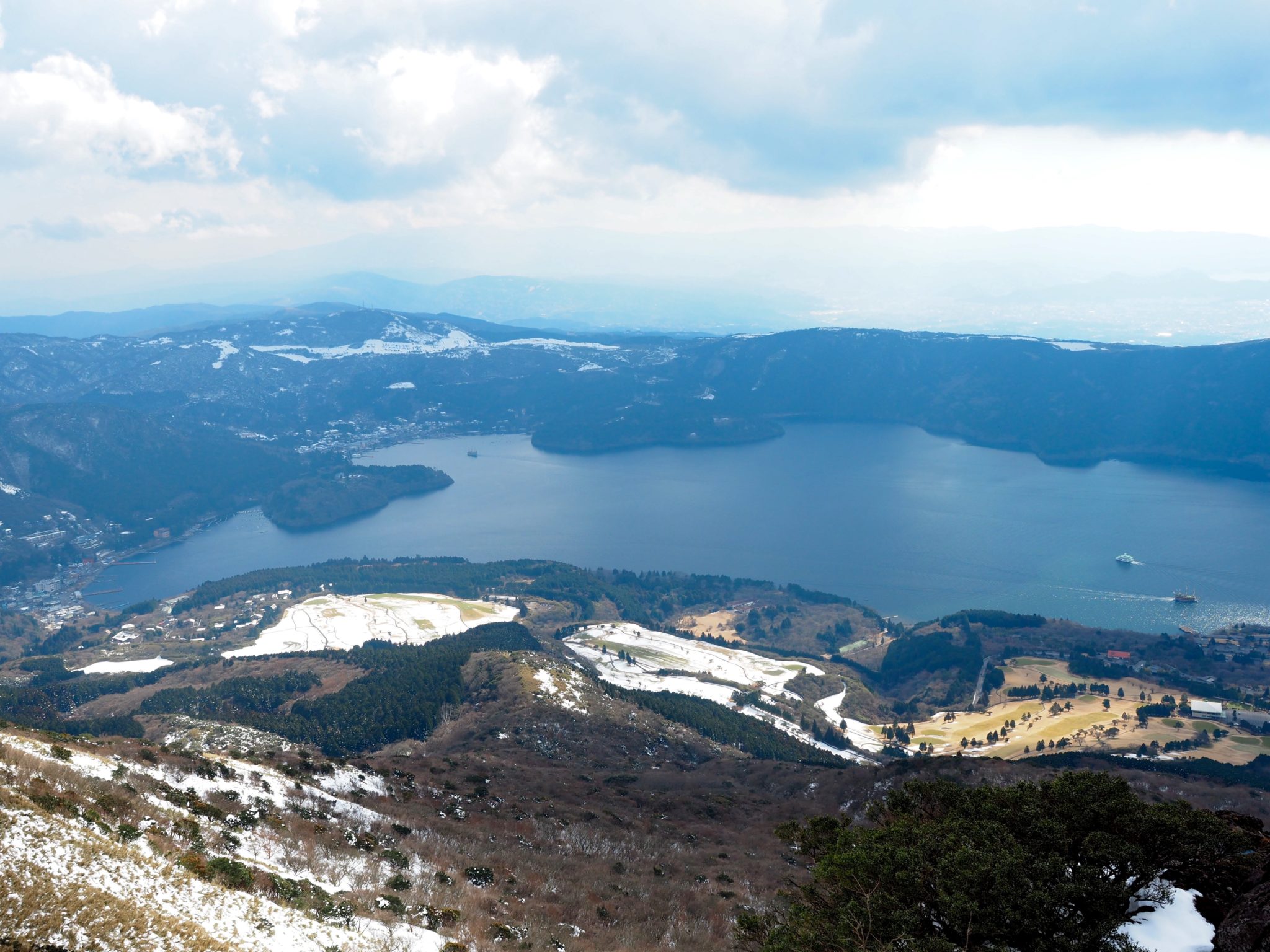
Hakone is where Tokyo goes to relax. Just 85 minutes from Shinjuku on the Romancecar train, it is a mountain resort of hot springs, ryokan, art museums and, on a clear day, views of Mount Fuji. The classic loop takes you by mountain railway, cable car and boat across Lake Ashi, past the steaming volcanic valley of Owakudani.
Do not miss: a black egg boiled in the hot springs of Owakudani, the boat across Lake Ashi, the Hakone Open-Air Museum and, above all, a night in a ryokan with its own onsen. Our Mount Fuji and Hakone day trip has more.
Stay: Gora Kadan, a ryokan in a former summer villa of the imperial family, is the one to book.
Getting there: the Romancecar from Shinjuku takes around 85 minutes to Hakone-Yumoto.
3. Mount Fuji and the Five Lakes
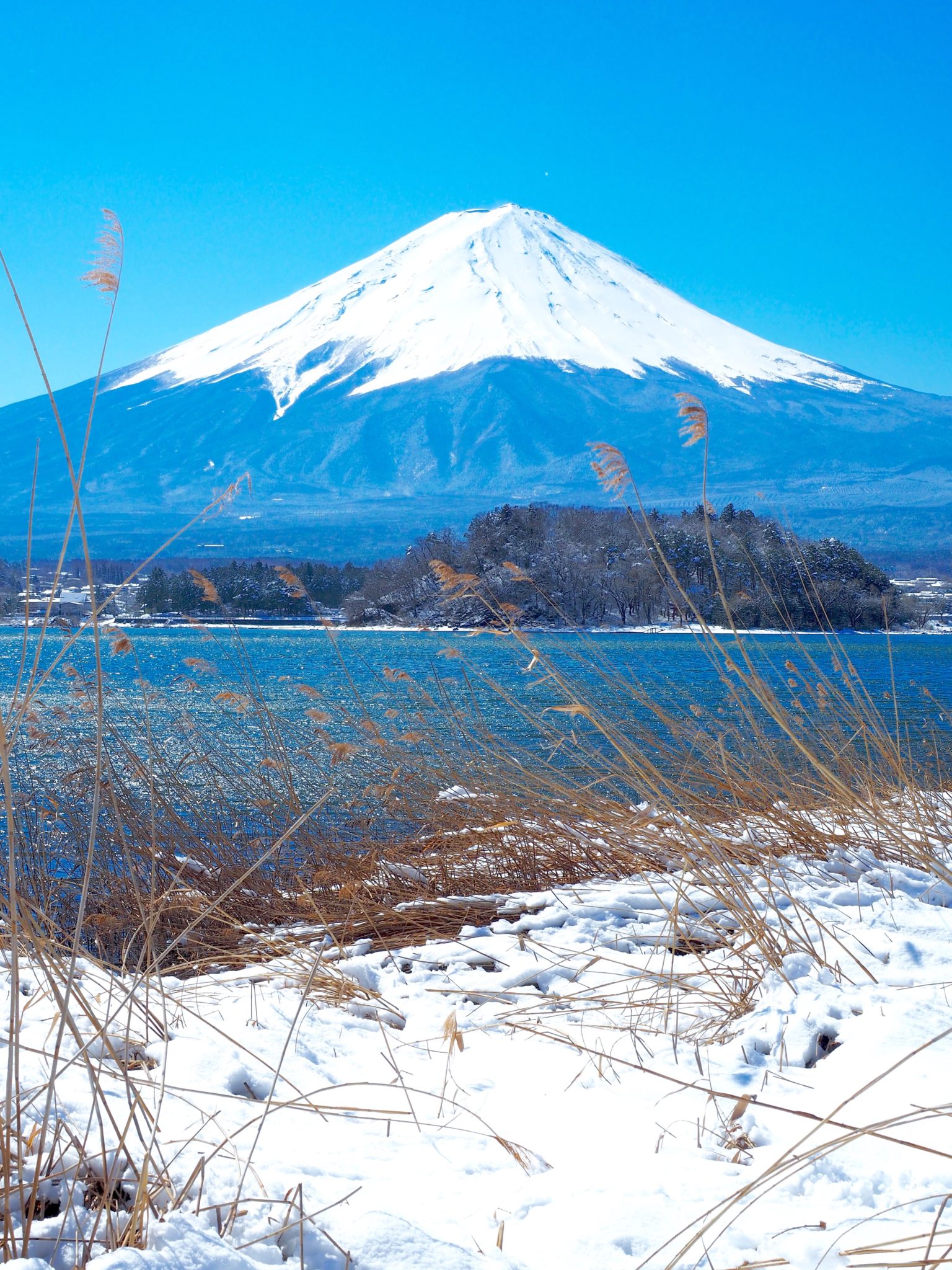
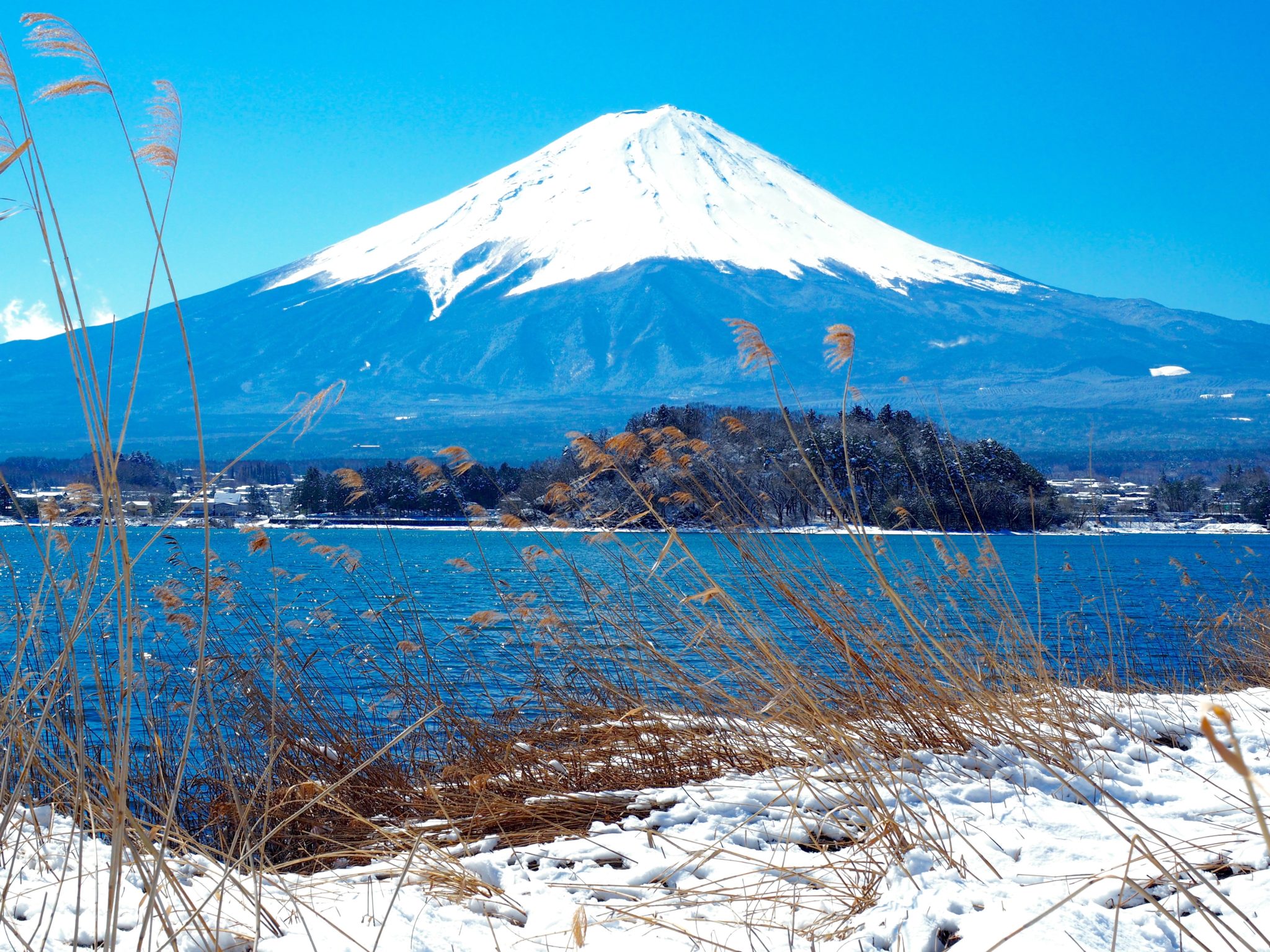
At 3,776 metres, Mount Fuji is Japan’s highest mountain and its national symbol. The best views are from the Fuji Five Lakes, and especially Lake Kawaguchiko, on its northern side. Interestingly, the mountain is most often visible in winter, when the air is clear and the peak is white with snow. In summer, by contrast, it is often hidden in cloud.
Do not miss: the Chureito Pagoda, with Fuji behind it, the north shore of Lake Kawaguchiko and, if you are fit and visiting between July and early September, the climb to the summit for sunrise.
Stay: Hoshinoya Fuji, a luxury glamping resort in the forest above Lake Kawaguchiko.
Getting there: Kawaguchiko is around two hours from Tokyo by bus or train.
The best places to visit in Japan: Kyoto and Kansai
Kansai, in the west of Japan’s main island, is the country’s historic heart. Kyoto, Osaka, Nara and Lake Biwa are all less than an hour apart, so it is easy to stay in one place and explore the rest by train.
4. Kyoto
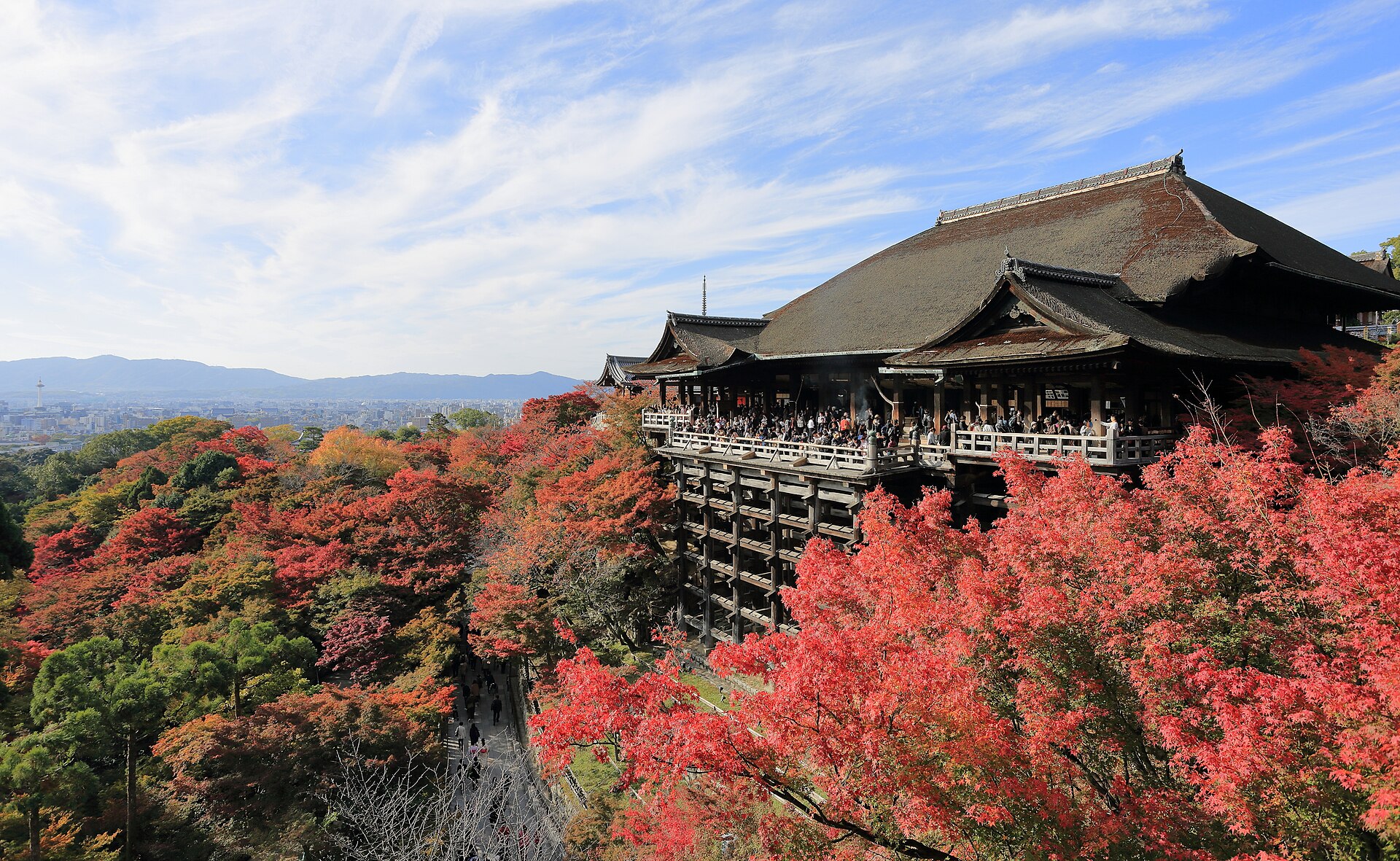
If you only go to one place in Japan, make it Kyoto. The imperial capital for more than a thousand years, it has around 1,600 temples, 17 UNESCO-listed sites and the geisha district of Gion. In fact, it is the place where traditional Japan is easiest to find, in the gardens, tea houses and wooden machiya townhouses that line its back streets.
Do not miss: Kiyomizu-dera, the Golden Pavilion at Kinkaku-ji, the Philosopher’s Path, an evening walk through Gion and a kaiseki dinner. Our Kyoto city guide and quick guide to Kyoto have the rest.
Stay: Aman Kyoto, hidden in a forest garden near Kinkaku-ji, or The Ritz-Carlton Kyoto, on the Kamo River.
Getting there: Kyoto is around two hours and 15 minutes from Tokyo by shinkansen (bullet train).
5. Arashiyama
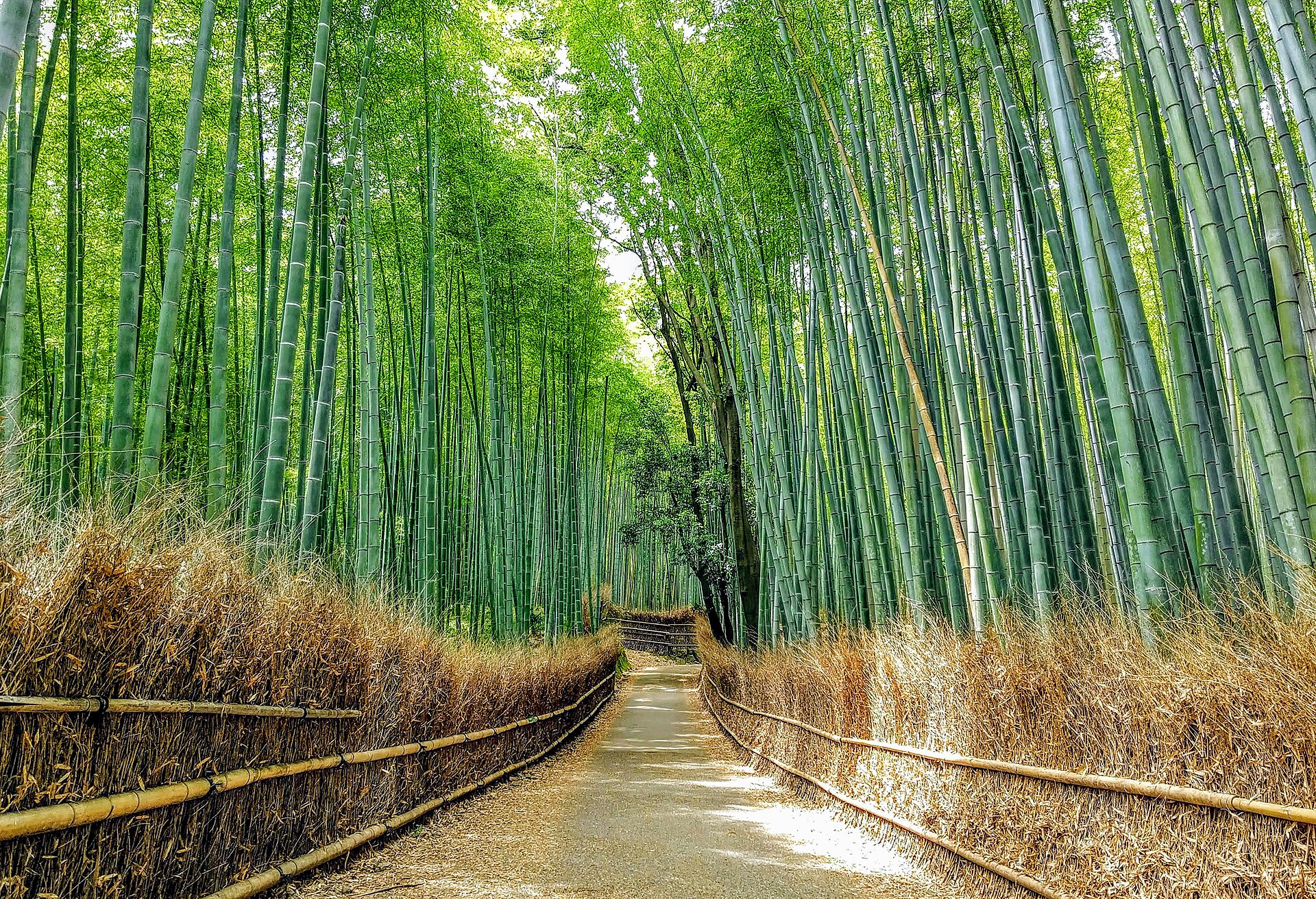
Arashiyama, on the western edge of Kyoto, is famous for its bamboo grove, where towering stalks creak and sway overhead. But there is far more to it than one path. There is the Togetsukyo bridge over the river, the Zen temple and garden of Tenryu-ji, monkeys on the hill above, and boats and a scenic railway through the gorge upstream.
Do not miss: the bamboo grove at sunrise, before the crowds, the garden at Tenryu-ji, the Iwatayama monkey park and the Sagano scenic railway.
Stay: Hoshinoya Kyoto, a riverside ryokan reached by its own boat.
Getting there: Arashiyama is around 15 minutes from central Kyoto by train.
6. Fushimi Inari
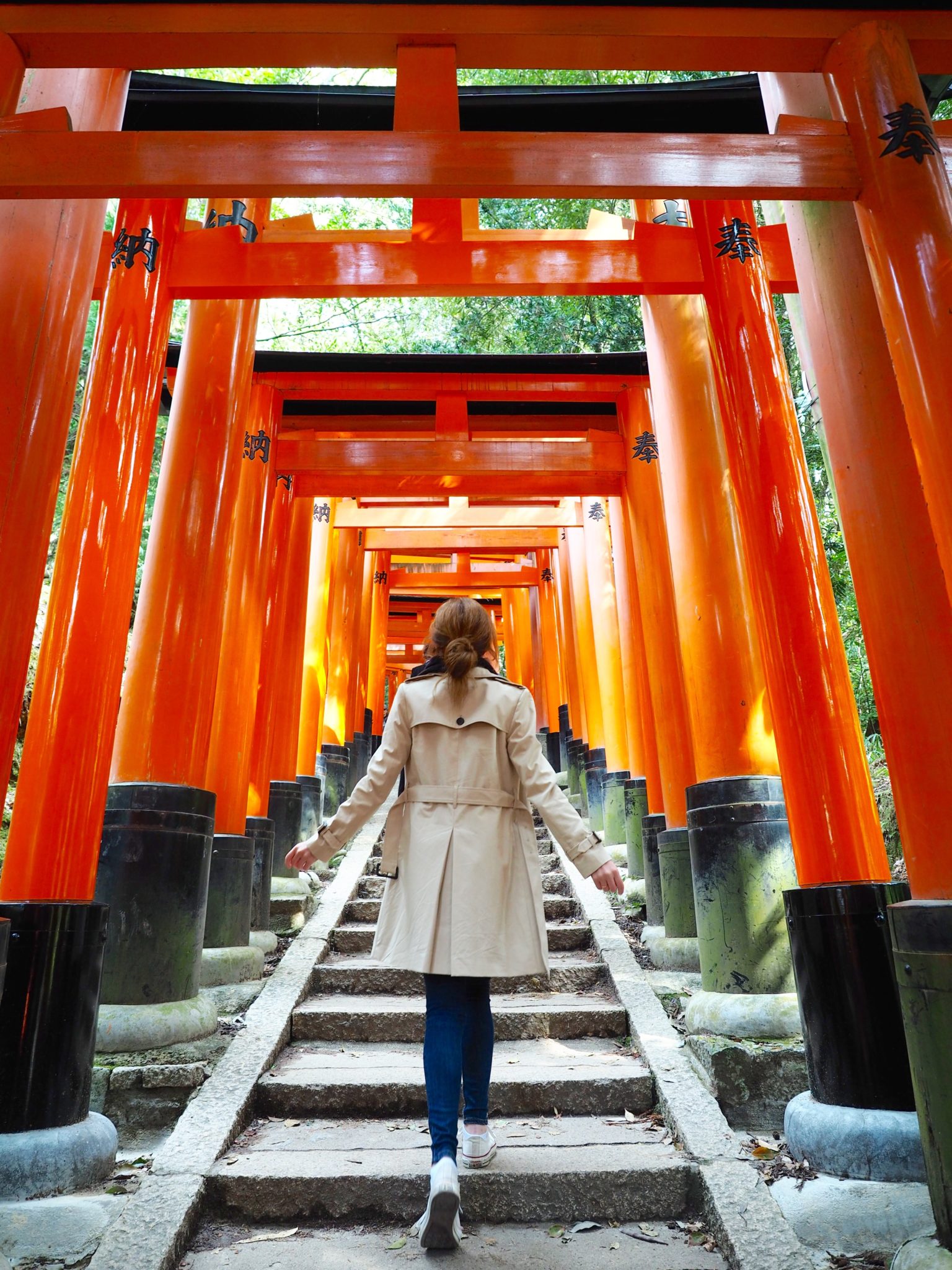
Fushimi Inari is the shrine of thousands of vermilion torii gates, which wind up the forested slopes of Mount Inari in tunnels. It is one of the most extraordinary sights in Japan, and it is free and open 24 hours a day. Most visitors only walk the first section, so keep climbing and the crowds quickly thin.
Do not miss: the walk to the summit, which takes around two to three hours return, the fox statues (the messengers of Inari) and the view over Kyoto halfway up.
Good to know: go early in the morning or late in the afternoon. The light is better and the paths are far quieter.
Getting there: Inari station is five minutes from Kyoto station on the JR Nara line.
7. Osaka
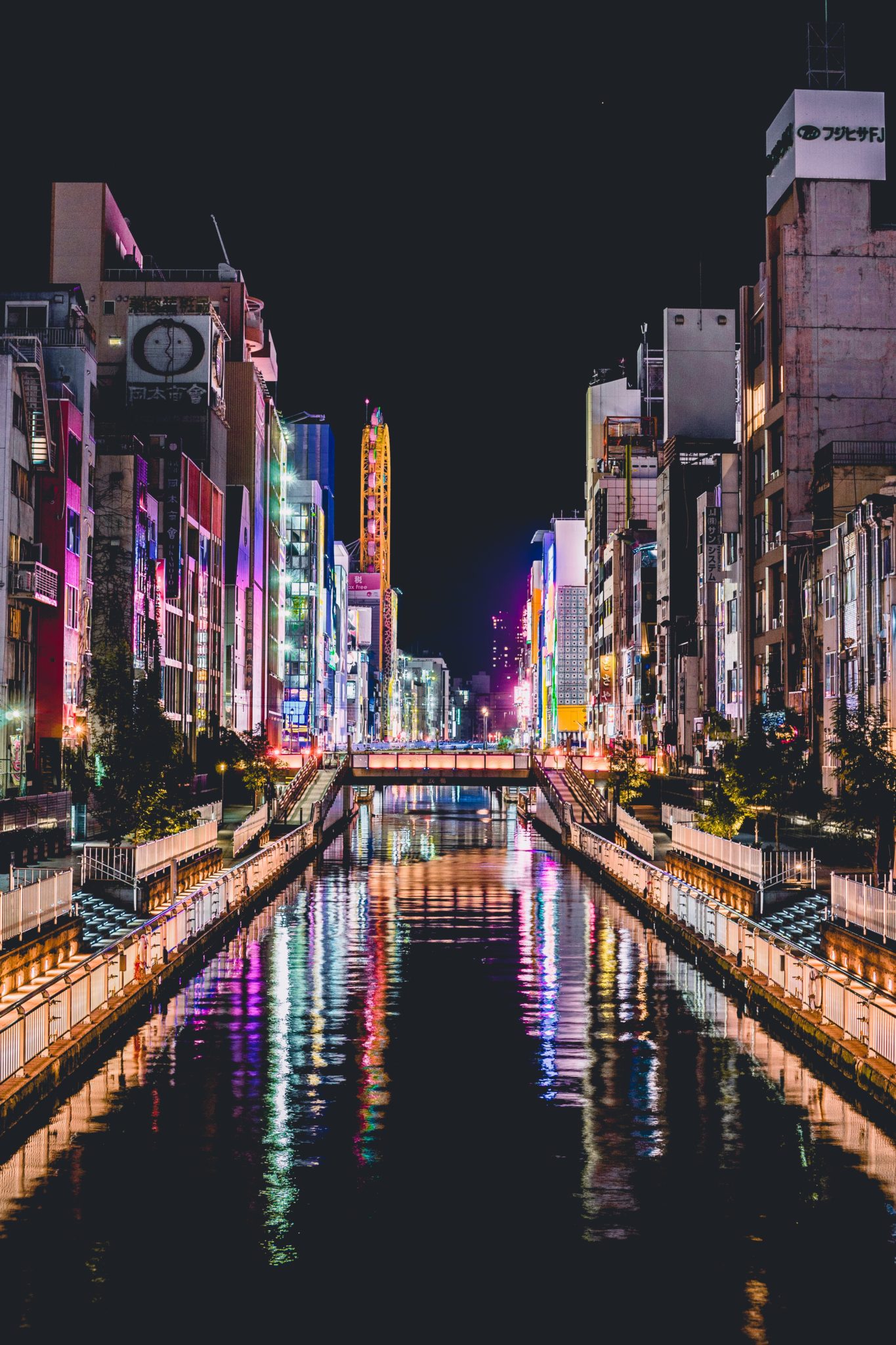
Osaka is known as the kitchen of Japan, and its people have a word, kuidaore, that means to eat yourself into ruin. It is louder, friendlier and less formal than Kyoto, and the neon of Dotonbori at night is the Japan of the movies. Come hungry.
Do not miss: Dotonbori at night, takoyaki and okonomiyaki, Kuromon Market and Osaka Castle. Our 24 hours in Osaka and quick guide to Osaka have more.
Stay: The St. Regis Osaka, on Midosuji, or the Conrad Osaka, for the views.
Getting there: Osaka is around 15 minutes from Kyoto by shinkansen, and Kansai airport is around an hour from the city.
8. Koyasan
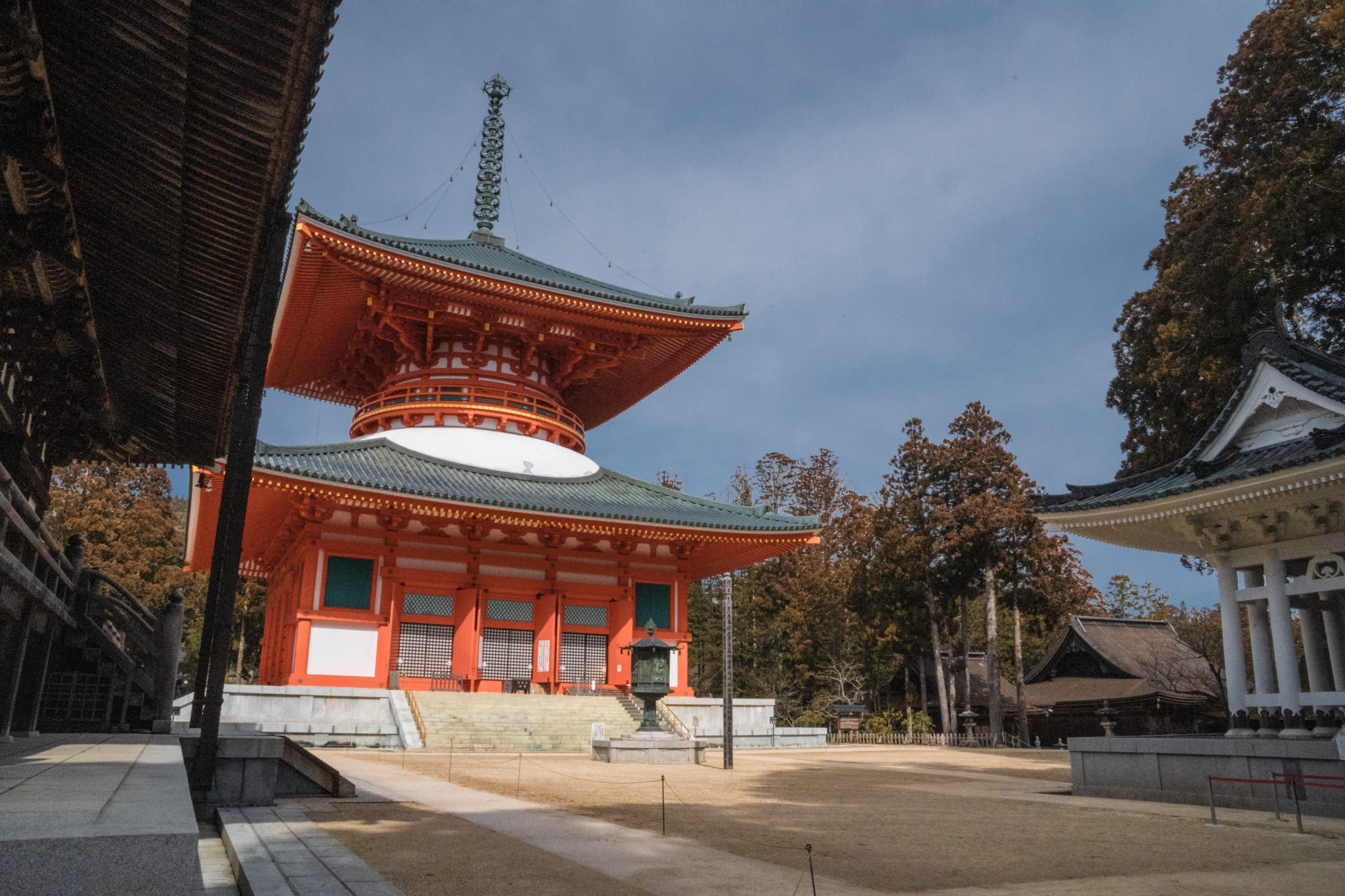
Koyasan, or Mount Koya, is a mountain-top monastery town founded in the ninth century by the monk Kobo Daishi, and it is still the centre of Shingon Buddhism. Around 50 of its temples welcome overnight guests, which makes it the best place in Japan for a temple stay. You sleep on futons, eat shojin ryori, the monks’ vegetarian cuisine, and join morning prayers before dawn.
Do not miss: Okunoin, a vast cemetery in a cedar forest, especially at dusk, the Danjo Garan temple complex and morning prayers at your temple. Read our story of staying with Buddhist monks in Japan.
Stay: a shukubo, or temple lodging, for at least one night. Day trips do not do Koyasan justice.
Getting there: around two hours from Osaka’s Namba station, by train and then cable car.
9. Lake Biwa
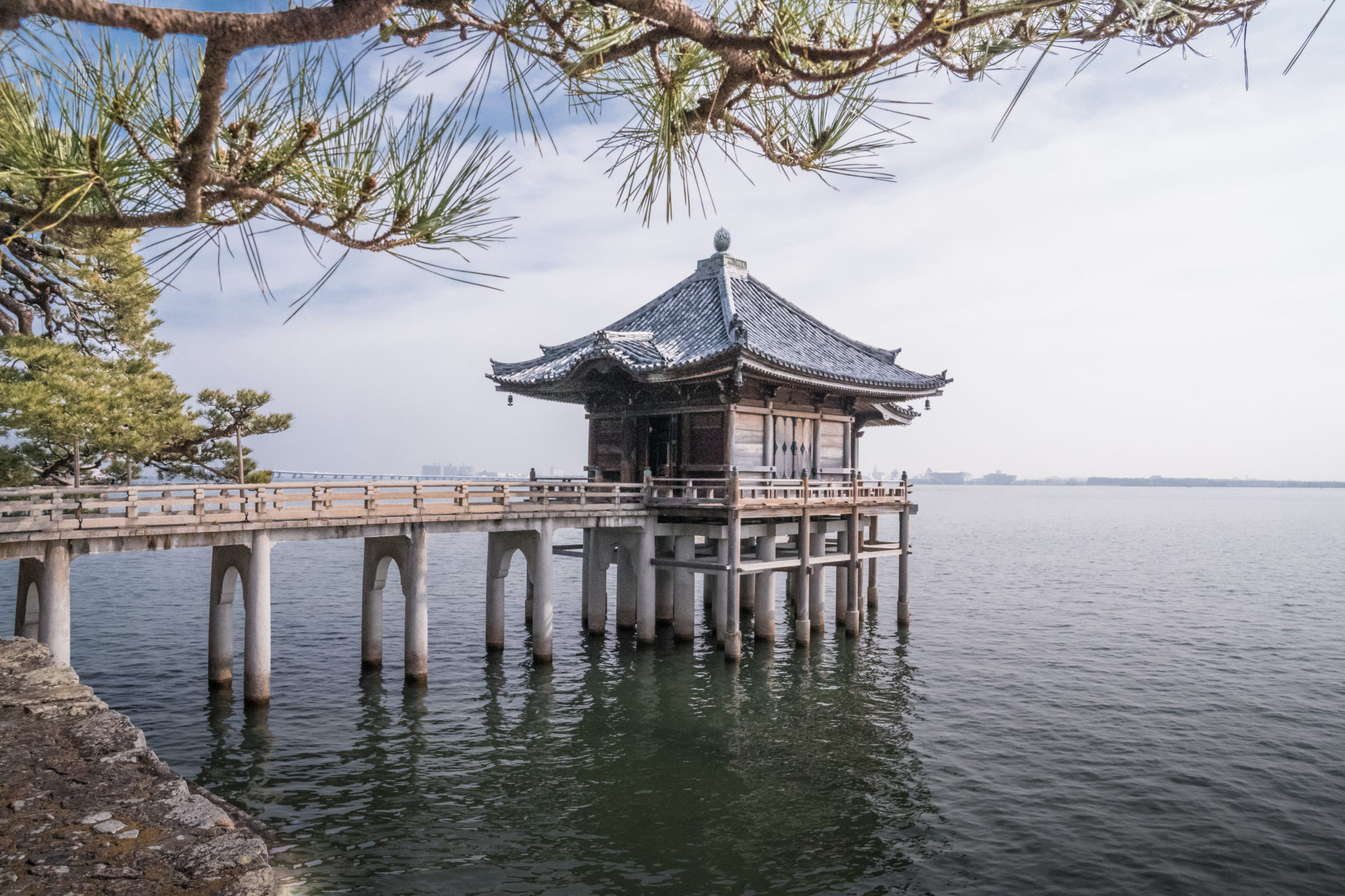
Lake Biwa, in Shiga, is Japan’s largest lake and one of the easiest escapes from Kyoto. It is quiet, rural and very pretty, with temples and shrines along the shore. The two most beautiful are the Ukimido, a small temple pavilion on stilts over the water, and the Shirahige Shrine, whose torii gate stands in the lake itself.
Do not miss: the Ukimido at Katata, the torii of Shirahige Shrine at sunrise and the old canal town of Omihachiman.
Stay: most travellers visit on a day trip from Kyoto, which is easy.
Getting there: Otsu, at the southern tip of the lake, is around 10 minutes from Kyoto by train.
The best places to visit in Japan: the Japanese Alps
The mountains of central Japan are where you find the country’s most traditional towns and villages. As a result, it is the best region for travellers who want to see a quieter Japan.
10. Takayama
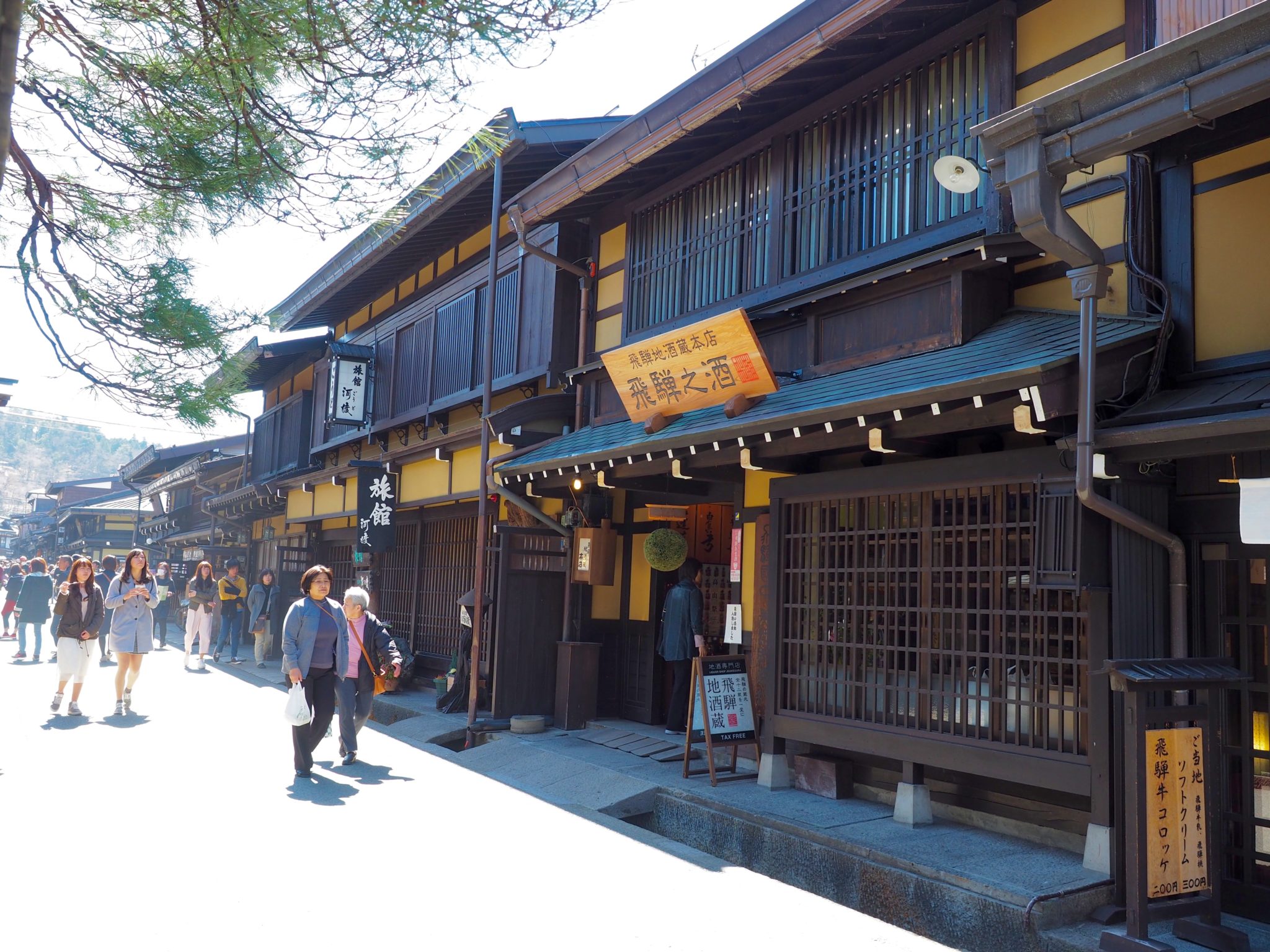
Takayama is a small mountain town with one of the best-preserved old quarters in Japan. The dark wooden merchant houses of Sanmachi Suji date back to the Edo period, and many of them are still sake breweries, marked by balls of cedar hanging over the door. It is calm, beautiful and, above all, a joy to explore on foot.
Do not miss: the morning markets along the river, a sake tasting in the old town and Hida beef, the local wagyu. Our quick guide to Takayama has the rest.
Stay: a ryokan, such as Honjin Hiranoya, with its own hot spring baths.
Getting there: Takayama is around two and a half hours from Nagoya on the Hida limited express, one of the most scenic train rides in Japan.
11. Shirakawa-go
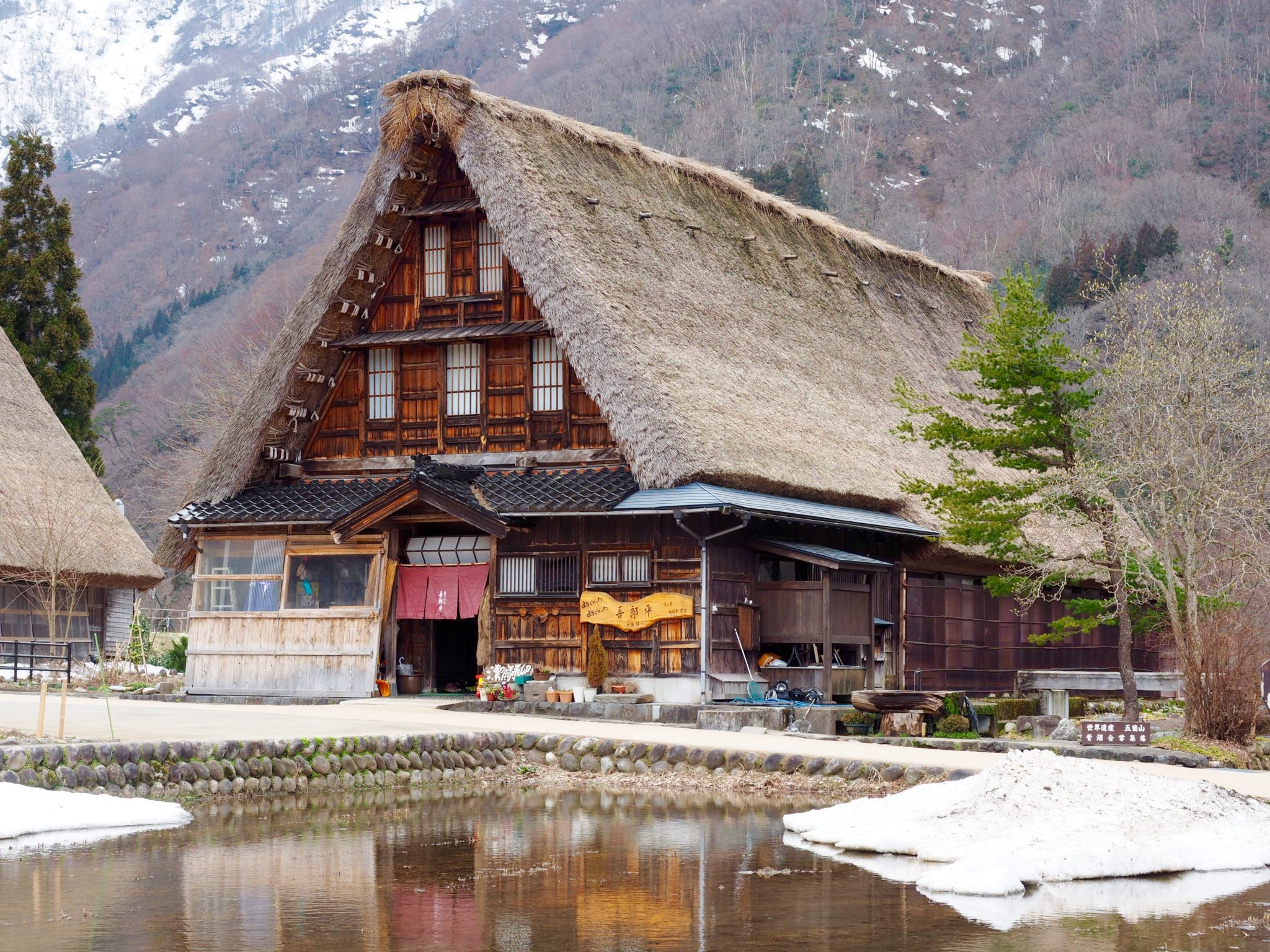
Shirakawa-go is a village of thatched farmhouses in a remote mountain valley. The houses are built in the gassho-zukuri style, with steep roofs shaped like hands in prayer to shed the heavy snow, and together with nearby Gokayama they are a UNESCO World Heritage Site. In winter, under deep snow, it looks like a fairytale.
Do not miss: the view from the Shiroyama observation point, the Wada House and, in winter, the evening illuminations, for which you will need to book ahead.
Stay: a night in a farmhouse guesthouse, after the day-trippers have left, is the best way to see it.
Getting there: Shirakawa-go is around 50 minutes from Takayama by bus.
12. Matsumoto

Matsumoto is home to one of Japan’s few original castles. Nicknamed the Crow Castle for its black walls, it is one of only five castles designated a National Treasure, and it is the most striking of them all, especially with the Northern Alps behind it. The town itself is relaxed and arty, with a lovely old merchant street, Nakamachi.
Do not miss: the climb up the steep wooden stairs inside the castle keep, Nakamachi street and the hot springs of Asama Onsen on the edge of town.
Stay: a ryokan at Asama Onsen.
Getting there: Matsumoto is around two and a half hours from Tokyo by limited express train.
13. Azumino
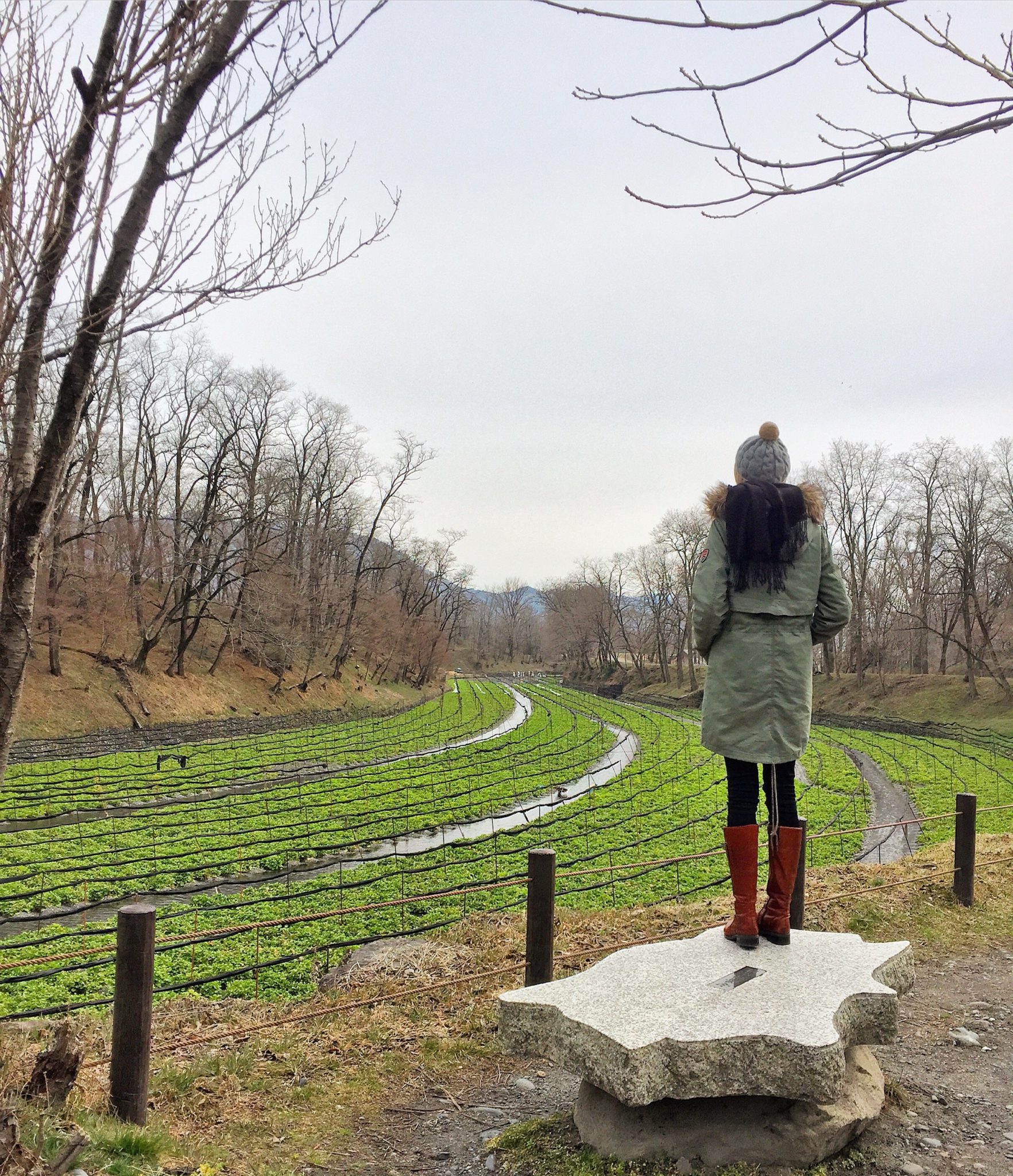
Azumino is a quiet valley of rice fields, orchards and clear mountain streams below the Northern Alps. It is best known for the Daio Wasabi Farm, one of the largest in Japan, where wasabi grows in beds of cold, flowing spring water. It is peaceful and beautiful, and the wasabi ice cream is better than it sounds.
Do not miss: the Daio Wasabi Farm, a bike ride through the valley and the views of the Alps.
Stay: base yourself in Matsumoto and visit on a half-day trip.
Getting there: Hotaka station, for the wasabi farm, is around 30 minutes from Matsumoto by train.
How to plan a trip around the best places to visit in Japan
When to go
Spring and autumn are the best seasons. Cherry blossom usually peaks from late March to early April, and autumn colour from mid-November in Kyoto. Winter, meanwhile, is cold but clear, with the best views of Fuji and snow in the Alps. Summer, by contrast, is hot, humid and rainy. Avoid Golden Week, from late April to early May, when the whole country travels.
Getting around
Japan’s trains are the best in the world, and you will not need a car. The Japan Rail Pass rose sharply in price in 2023, so compare it against individual tickets before you buy. Either way, get an IC card, such as Suica, for local trains and buses, and use luggage forwarding (takkyubin) to send your suitcase ahead between hotels.
A first itinerary
For ten days, spend three nights in Tokyo, one in Hakone, four in Kyoto, with day trips to Arashiyama, Fushimi Inari, Osaka and Lake Biwa, and one in Koyasan. With two weeks, add Takayama, Shirakawa-go and Matsumoto. Our complete Japan itinerary and Japan in 7 days have day-by-day plans.
Good to know
Take your shoes off in ryokan, temples and many restaurants. Tipping is not expected. Some onsen do not allow tattoos, so check ahead. And carry some cash, as smaller places still do not take cards. Read what you need to know before you visit Japan before you go.
Frequently asked questions about the best places to visit in Japan
What are the best places to visit in Japan on a first trip?
Tokyo, Hakone, Kyoto and Osaka. In other words, the big city, the hot springs, the temples and the food, which fits comfortably into ten days.
How many days do you need in Japan?
Ten days is enough for Tokyo, Hakone, Kyoto and Osaka. Two weeks lets you add the Japanese Alps or a temple stay in Koyasan.
What is the best time to visit Japan?
Late March to early April for cherry blossom, and November for autumn colour. Winter is cold but quiet, with clear views of Fuji.
What about Nara and Hiroshima?
Both are worth adding if you have time. Nara, with its giant Buddha and free-roaming deer, is an easy half-day trip from Kyoto or Osaka. Hiroshima and the floating torii of Miyajima are around two hours from Kyoto by shinkansen, so they work best as an overnight trip.
Is Japan expensive to visit?
Less than most people expect. Food is excellent value at every level, and public transport is efficient. Luxury hotels and ryokan, however, are expensive and book out early in spring and autumn.
Is Japan good for vegetarians?
It is getting easier, especially in Tokyo and Kyoto. Look for shojin ryori, the Buddhist temple cuisine, and read our guide to the best vegetarian food in Japan.
Keep exploring Japan
Once you have chosen from the best places to visit in Japan, go deeper with our 20 reasons to visit Japan, first-timer’s guide to Japan and temple stay in Koyasan.
For more inspiration, there is our 20 most beautiful cities in the world and where to travel in 2027.

Brooke is a Tasmanian-born writer and professional baker who started World of Wanderlust in 2013 and has since travelled to 86 countries. These days her guides focus on what she knows best: the bakeries, hotels and places worth crossing the world for.
