
If it feels like every destination on your list suddenly costs a little more than it used to, you’re not imagining it. 2026 has brought more new and increased tourist taxes than any year I can remember covering, Venice, Barcelona, Amsterdam, Edinburgh, Bali, Japan, Thailand, and Hawaii have all introduced or raised fees in the last twelve months, most of it a direct response to the overtourism backlash that’s been building for years. None of these fees should stop you from booking the trip, but every one of them is worth knowing about before you land, so you’re not caught off guard at the airport, the hotel check-in desk, or the ferry dock. Here’s everything that’s changed, and what it’ll actually cost you.
Tourist Taxes 2026: Europe
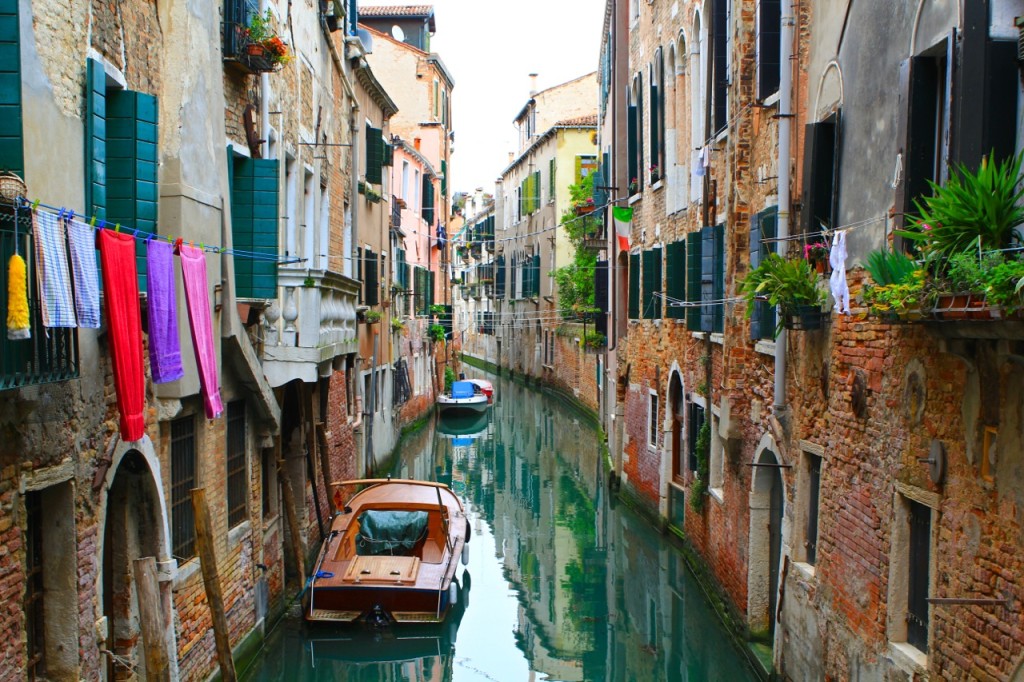
Venice’s daytripper fee
Venice’s entry fee for day-trippers is back for 2026, and it now applies across 60 days of the year (up from 54 in 2025), mostly weekends and peak season dates. Book your entry at least four days ahead and it’s €5; leave it late or turn up without a reservation and it doubles to €10. If you’re staying overnight in the city, you’re exempt, this fee is specifically aimed at cruise-ship and day-trip crowds passing through without contributing to local accommodation tax.

Barcelona’s overnight tax
Barcelona has effectively doubled its tourist tax for 2026. Anyone staying in a short-term holiday rental now pays €12.50 per night, while hotel guests pay between €10 and €15 a night depending on the category of their accommodation. It’s charged per person, per night, and added on top of your room rate, so factor it into your budget rather than your quoted nightly rate.

Amsterdam’s steep accommodation tax
Amsterdam now has the highest tourist tax in Europe: 12.5% of your room price, which works out to roughly €18 per person, per night at a mid-range hotel. It’s gotten more expensive to stay here for another reason too, VAT on short-stay accommodation jumped from 9% to 21% as of 1 January 2026, so between the tax and the VAT hike, budget meaningfully more for an Amsterdam stay than you would have even a year ago.
The Balearic Islands’ rising eco tax
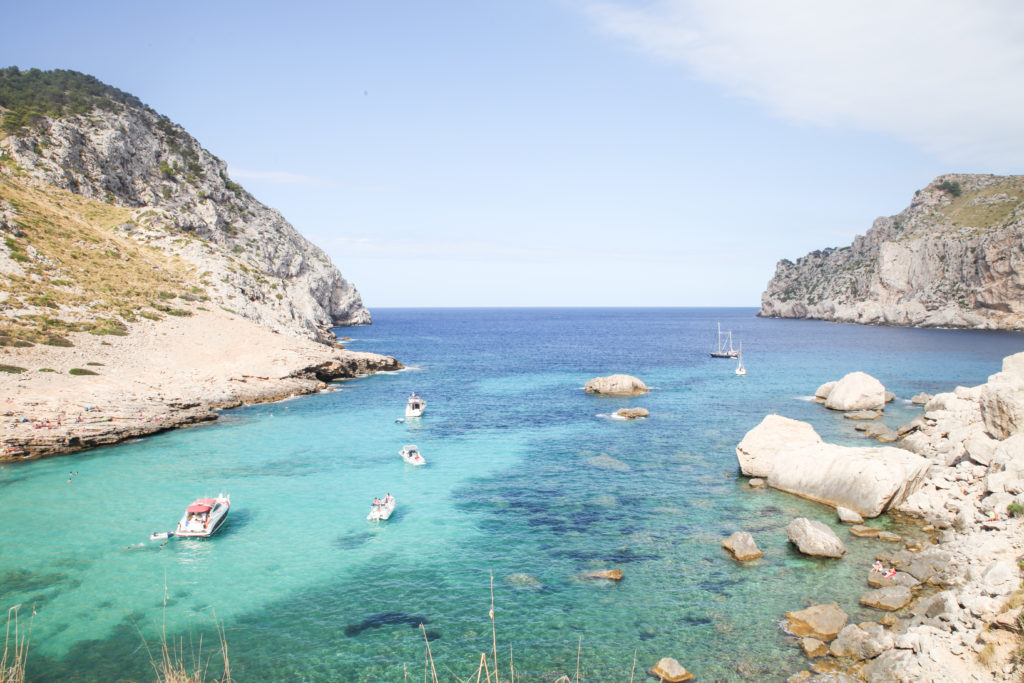
Mallorca, Menorca, and Ibiza have all raised their sustainable tourism tax for 2026. The lower rate (for budget accommodation) has gone from €1 to €2.50 a night, the higher rate (four and five-star properties) from €4 to €6 a night, and cruise passengers now pay €6 a night, triple the previous rate. There’s also a brand-new charge for anyone bringing a car onto the islands that isn’t registered locally, including rental cars, which can add up to €85 depending on the length of your stay and the vehicle’s emissions.
Edinburgh’s new visitor levy
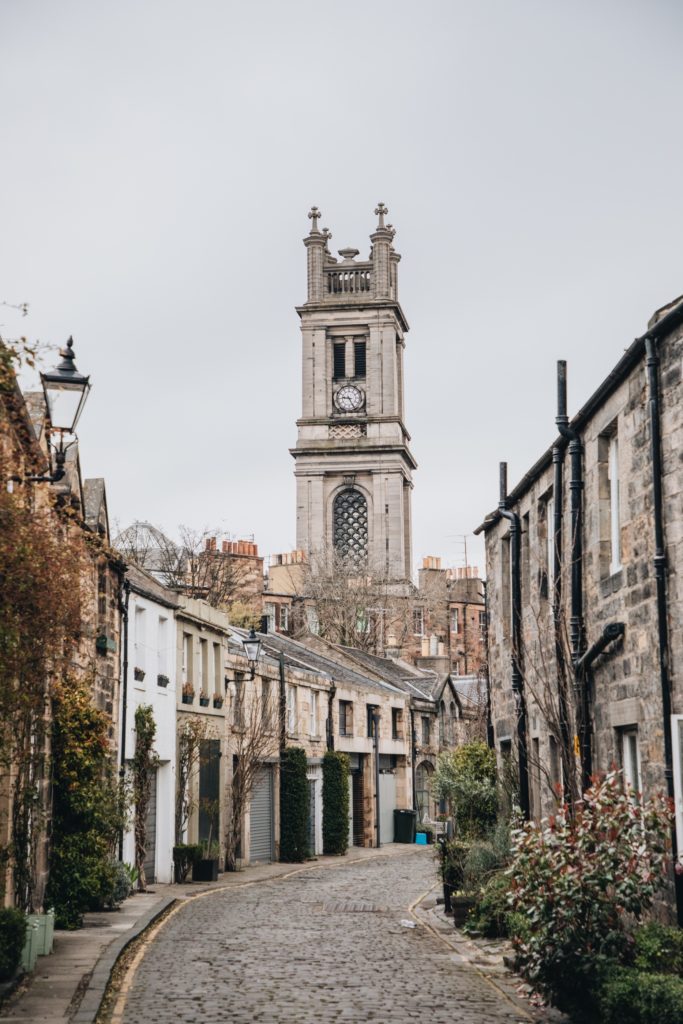
Scotland’s first-ever visitor levy takes effect in Edinburgh from 24 July 2026: a flat 5% added to the cost of your overnight accommodation, capped at five consecutive nights. It only applies to the room rate itself, not food, drinks, transport, or parking, and if you booked and paid for your stay before 1 October 2025, you’re grandfathered in and exempt even if the stay itself falls after the levy starts. The city expects to raise around £100 million from it by 2030, funnelled back into maintaining Edinburgh’s cultural and heritage sites.
Greece’s climate-resilience fee and cruise levy
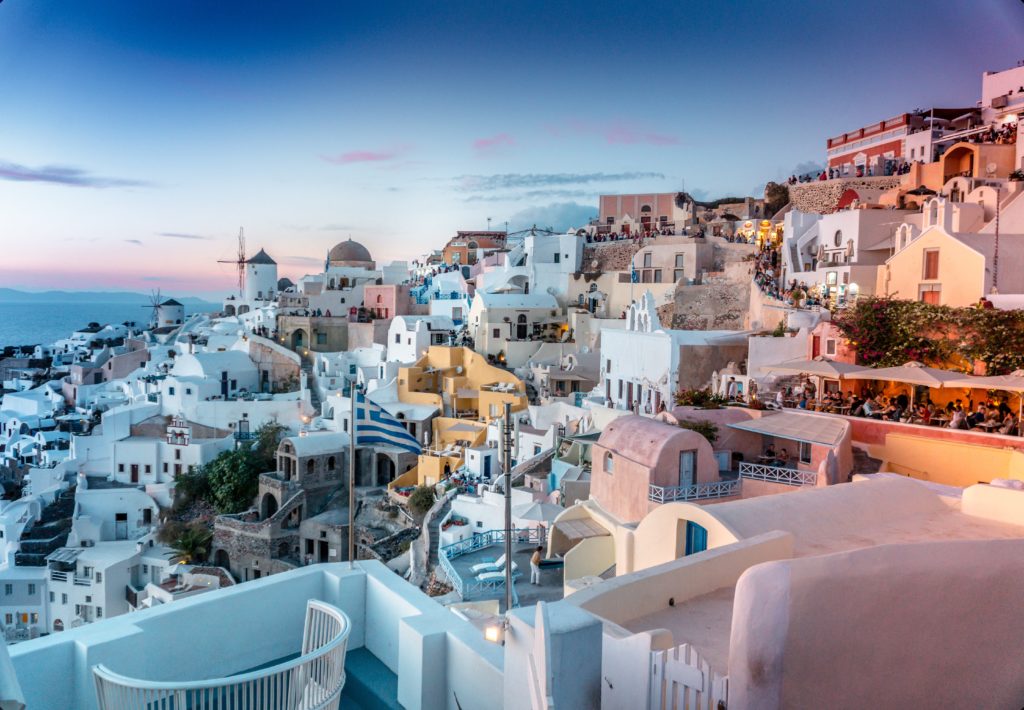
Greece has added a climate-resilience fee of up to €15 a night on accommodation in its most visited spots, and from 24 July 2026, a new fee applies specifically to cruise ship passengers, capped at seven consecutive days. If you’re island-hopping by ferry rather than cruise ship, this one doesn’t apply to you, but it’s worth checking which fee structure covers your specific itinerary before you go.
Read more: The Best Cities to Travel Solo in Europe in 2026

Iceland’s lodging tax and new road tax
Iceland already charges a lodging tax on every overnight stay (hotels, guesthouses, campsites, even cruise ships), currently ISK 600 a night for a hotel room and ISK 1,000 for cruise ship accommodation. What’s new for 2026 is a per-kilometre road tax for anyone driving in the country, a genuinely different kind of fee to budget for if you’re planning the classic Iceland self-drive trip. Standard passenger cars and SUVs pay 6.95 ISK per kilometre, with heavier vehicles paying progressively more. If a road trip around the Ring Road is on your list, this is worth factoring into your rental car budget, not just your accommodation.

ETIAS: the EU-wide fee that isn’t a country-specific tax
This one applies almost everywhere in Europe at once, and it catches a lot of travellers off guard because it isn’t a hotel or city tax, it’s an entry authorisation. ETIAS (the European Travel Information and Authorisation System) is finally launching in late 2026 for travellers from visa-exempt countries, including the US, UK, Canada, and Australia, and the fee has been confirmed at €20 per person, up from the originally proposed €7. It covers ages 18-70; anyone younger or older is exempt from the fee but still needs to apply. This isn’t a per-trip charge either, once approved, it’s valid for multiple entries over a set period, so think of it as a one-off cost of admission to the Schengen Area rather than something you’ll pay every time you cross a border within it.

The UK’s Electronic Travel Authorisation
If Europe’s mainland isn’t your only stop, note that the UK has its own separate entry authorisation, the ETA, and it’s gone up too: from £16 to £20 as of April 2026. Every visa-exempt traveller needs one, including Canadians, who only became subject to the requirement in February 2026. It’s valid for two years with unlimited entries, so again, a one-off cost rather than a per-visit fee, but easy to overlook if you’re used to the UK requiring nothing more than a passport.

Asia-Pacific
Japan’s tripled departure tax
Japan tripled its international tourist departure tax on 1 July 2026, from ¥1,000 to ¥3,000 (roughly $20 USD), applied to everyone leaving the country regardless of nationality. The good news is you won’t be queuing to pay it at the airport, it’s built directly into the price of your flight or cruise ticket for bookings made from July 2026 onward. Visa fees for certain nationalities have also risen roughly fivefold alongside the departure tax hike, both changes explicitly framed by the Japanese government as overtourism management tools, with revenue earmarked for infrastructure and crowd-management measures in the country’s most visited spots.
Read more: What to Know Before you Visit Japan
Thailand’s proposed entry fee
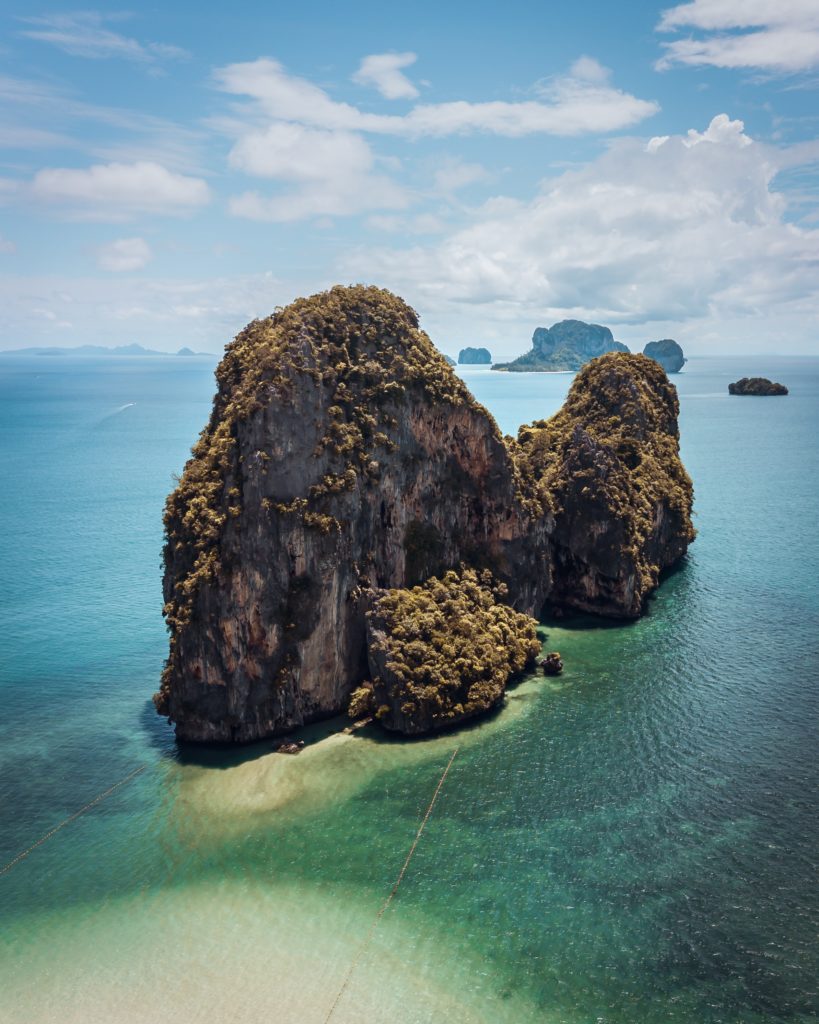
Thailand has been threatening a 300 baht (roughly $9 USD) entry fee for air arrivals for a couple of years now, delaying it more than once as visitor numbers softened. As of mid-2026 it’s still awaiting final Cabinet approval and a rollout system, so if you’re booking a Thailand trip, treat this as a “watch this space” rather than a confirmed cost just yet, it currently only applies to travellers arriving by air, not overland border crossings.
Bali’s tourism levy
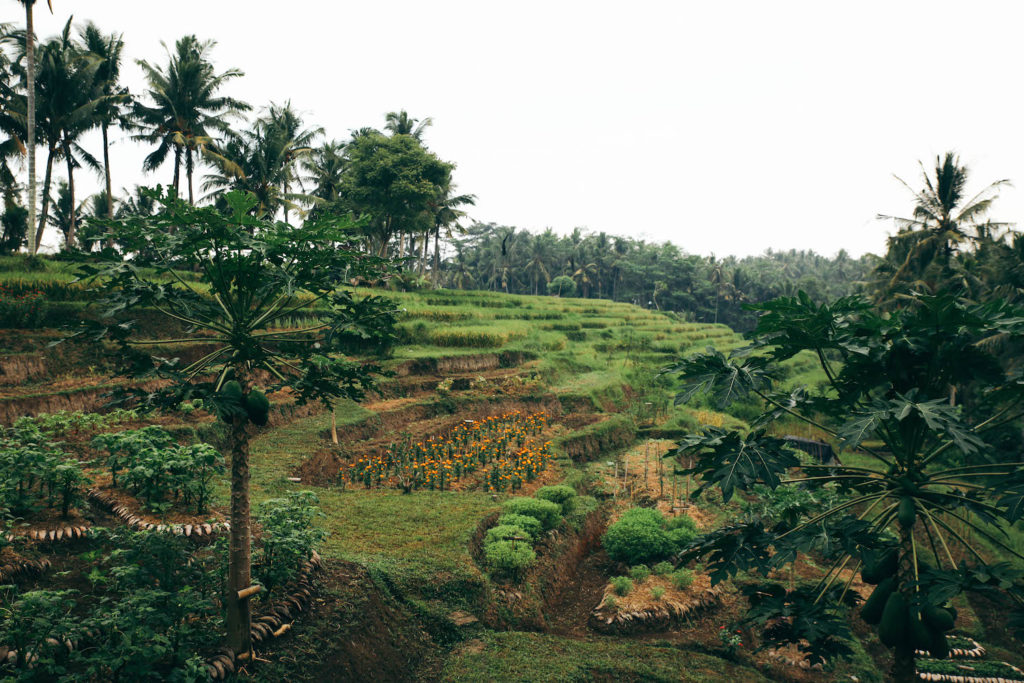
Indonesia’s IDR 150,000 (about $10 USD) fee for all international visitors to Bali has been in place since February 2024 and remains active in 2026. It’s a one-time payment for the duration of your stay, not a nightly charge, and funds go toward infrastructure, environmental conservation, and local community tourism initiatives. Worth knowing: compliance has historically been patchy, only around a third of eligible visitors were paying it as of the latest figures, but that’s not an invitation to skip it, it’s simply evidence enforcement has been inconsistent so far.

Bhutan’s Sustainable Development Fee
Bhutan’s approach has always been different from anywhere else on this list: rather than a small add-on, the Sustainable Development Fee is central to how the country manages tourism altogether. It currently sits at US$100 per person, per night for most international visitors, a discounted rate that’s been extended through 2027 (it was as high as US$200 a night previously, and the government has floated raising it again if visitor numbers pick up). If Bhutan is on your list, this fee isn’t a footnote, it’s one of the biggest line items in your entire trip budget, so plan around it from the start rather than discovering it midway through booking.

New Zealand’s International Visitor Levy
New Zealand’s International Visitor Levy jumped from NZ$35 to NZ$100 (about US$61) in late 2024, and that higher rate is still in effect through 2026 with no further increase announced as of this year. It’s a one-off charge paid alongside your NZeTA (electronic travel authority) application, not a nightly fee, so it’s a single cost to account for when budgeting flights and visas rather than something that compounds the longer you stay.

The Pacific
Hawaii’s “Green Fee”
Hawaii became the first US state to introduce what officials are calling a climate impact fee. From 1 January 2026, the statewide transient accommodations tax rose from 10.25% to 11%, with individual counties able to add a surcharge of up to 3% on top. In practice, that works out to roughly an extra $2 per visitor, per day, on your accommodation. The revenue, projected at around $100 million annually, is earmarked specifically for climate and environmental projects: coral reef restoration, wildfire prevention, and coastal infrastructure resilience, a direct response to the scale of environmental strain the islands’ roughly 10 million annual visitors put on the landscape.
What this actually means for your next trip
None of these fees, on their own, should change where you decide to go. Even the steepest of them (Bhutan aside, which was always going to be a different kind of budget conversation) add up to a relatively small percentage of a total trip cost. What’s changed is that it’s no longer safe to assume your destination charges nothing beyond your flight and hotel; increasingly, there’s an entry fee, a nightly levy, a departure tax, or all three stacked on top of each other. The practical fix is simple: before you book, do a quick check of your specific destination’s current tourist tax and entry authorisation status, since several of these (Thailand especially) are still moving targets, and build the total into your budget upfront rather than being surprised by an extra line item at checkout.
FAQ
Which country has the highest tourist tax in 2026? On a nightly basis, Amsterdam’s 12.5% accommodation tax is currently the steepest in Europe. Globally, Bhutan’s US$100-a-night Sustainable Development Fee dwarfs every other destination on this list, though it functions more as a deliberate high-value, low-volume tourism strategy than a simple add-on tax.
Do I have to pay ETIAS every time I visit Europe? No. Once approved, ETIAS is valid for multiple entries over a set validity period, so it’s a one-off cost rather than a per-trip charge, similar to how the UK’s ETA and New Zealand’s visitor levy work.
Are these tourist taxes usually included in the price when I book? It varies. Entry authorisations like ETIAS and the UK ETA are paid upfront during the application. Hotel and accommodation taxes (Barcelona, Amsterdam, Edinburgh, the Balearics) are usually charged separately at check-in or added to your final bill, not included in the rate you see when booking. Departure taxes like Japan’s are increasingly built into your ticket price automatically.
Is Thailand’s tourist entry fee actually happening? Not yet, formally. As of mid-2026 it’s still awaiting Cabinet approval and a collection system, having already been delayed more than once. Check the latest status closer to your travel dates rather than assuming it’s confirmed.
Will these fees keep going up? Almost certainly, at least in some destinations. Bhutan’s government has already floated raising its fee again if visitor numbers increase, and the broader trend across Europe and Asia-Pacific has been toward introducing or increasing tourist taxes, not removing them, as destinations lean further into managing overtourism rather than simply absorbing it.
See more adventures on Instagram

Brooke Saward founded World of Wanderlust as a place to share inspiration from her travels and to inspire others to see our world. She now divides her time between adventures abroad and adventures in the kitchen, with a particular weakness for French pastries.
