
If there’s one region in France that feels lifted straight from a storybook, it’s the Loire Valley. Rolling vineyards, fairytale châteaux, and sleepy stone villages line the banks of the Loire River — and somehow, it still flies under the radar compared to Paris or Provence. That’s exactly why it belongs on your list.
Three days is the sweet spot for exploring the Loire Valley without feeling rushed. It’s enough time to visit the region’s iconic châteaux, wander a few postcard-perfect towns, sip your way through a vineyard or two, and still leave room for long, lazy lunches. Here’s exactly how to spend it.
Updated October 2026.
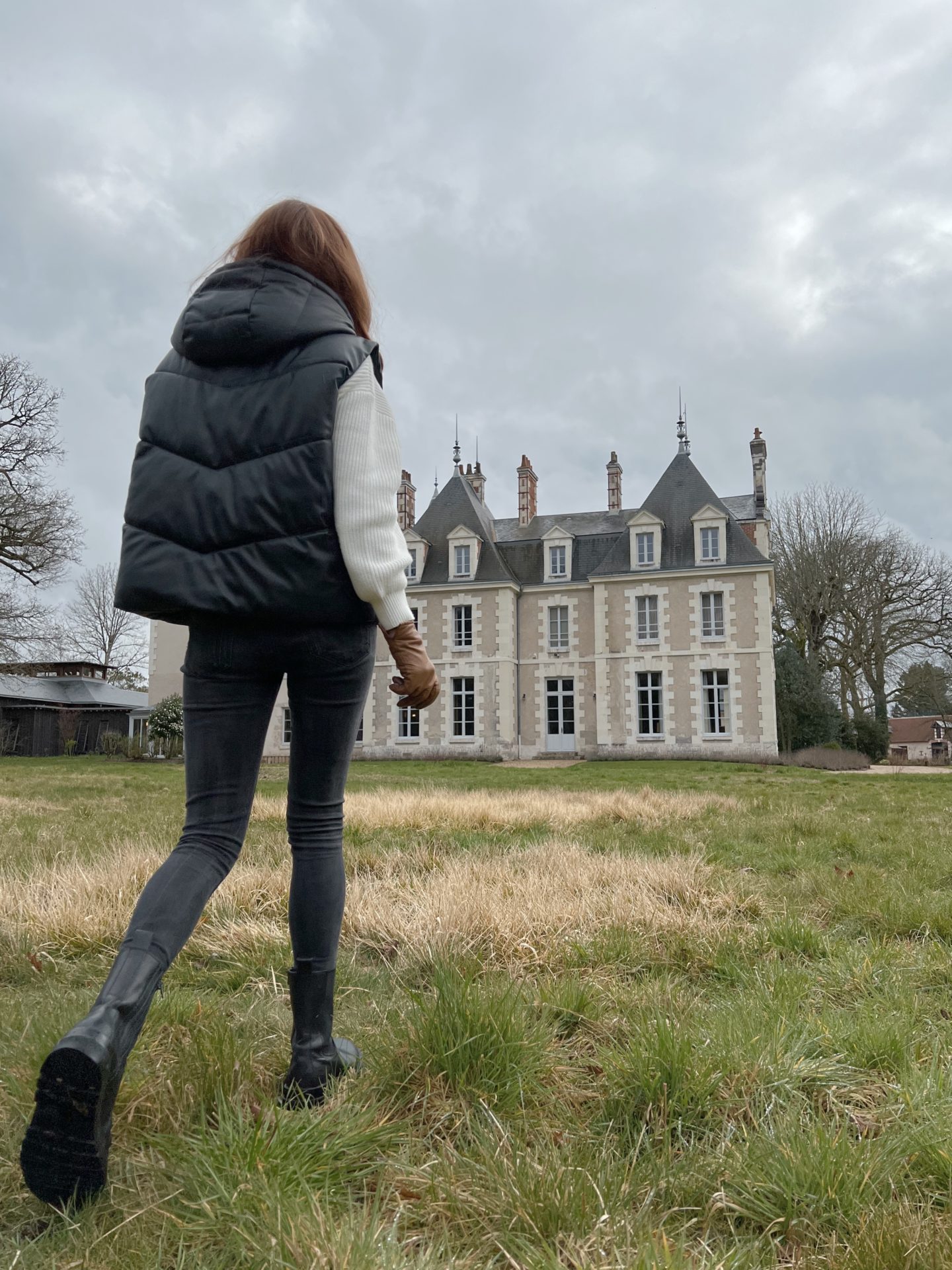

Where is the Loire Valley?
I’ll start by stating the obvious, which is to say that the Loire Valley is in France. If you didn’t already know that, no problem! Nows a good a time as any to start learning about the Loire Valley, because by the end of this article you will probably be planning a trip of your own!
The truth is, the best of France is outside of Paris. Don’t get me wrong – I love Paris with my whole being and can never visit France without stopping over. But in order to fully immerse yourself in French culture and a slower, more enjoyable pace of living, you need to get out of the French capital and explore other parts of France.
For me in the past, this has looked like the Alsace region (a quintessential mix of French and German architecture, food and culture). My explorations in France have also taken me further south to the likes of Cannes and the world-famous Côte d’Azur. And perhaps my favourite of all, travelling through Provence and Burgundy, two of my favourite regions to slow down and visit a plethora of small towns, soaking up the regional produce along the way.
But as for the Loire Valley, until this trip, I really had no idea what I was missing out on.
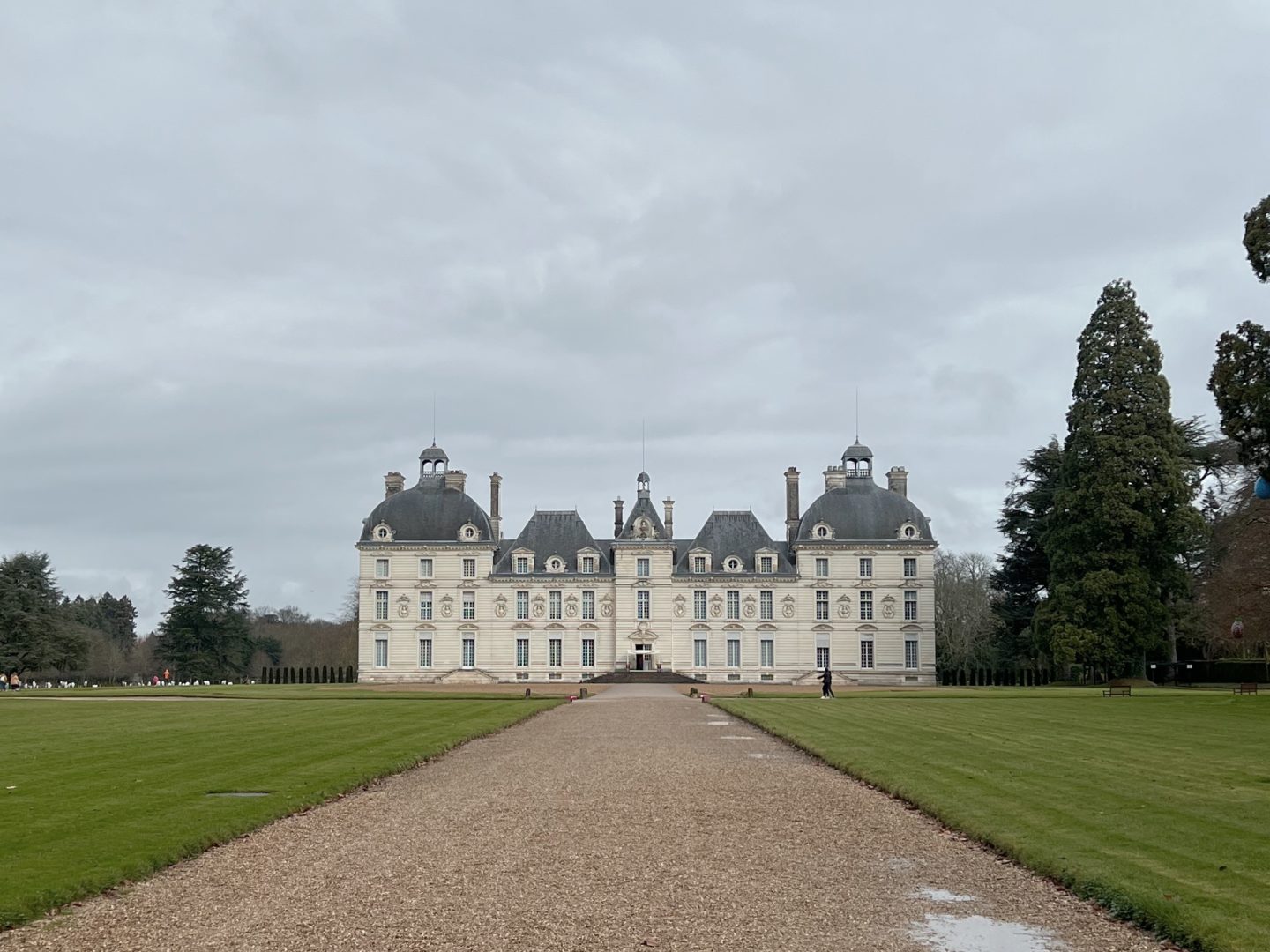
What is the Loire Valley Known for?
The Loire Valley is one of the most famous regions to explore outside of Paris, which is in part thanks to its close proximity to Paris. Indeed, the ambitious among us could travel to this part of France on a day trip, or equally as ambitious in a short weekend stay. But to see all of the treasures dotted throughout the Loire Valley, you’ll need about a week to do it justice (trust me, there’s plenty to see and do – you won’t regret the extra time!)
But what is the Loire Valley known for specifically? I’m so glad you asked!
Like anywhere in France, the Loire Valley is known for its cuisine and gastronomy. And in particular, it has a reputation for producing incredible goat’s cheese (my personal favourite of the French cheeses). Also similar to other regions in France, it is known for its wines – particularly of the dry white varieties such as Sancerre, Pouilly-Fumé and Chenin Blanc. So if you’re a wine lover and/or a foodie, you’re in the right location to have an incredible trip!
The Loire Valley is also famous for its chateaus – of which there are many to explore. Many of the chateaus are open for public visitors, with some of them privately owned by wealthy families and others owned by the state. If you’re considering which chateaus are worth visiting and which could be given a miss, read on! I visited the most popular chateaus during my visit and have some firsthand experiences that might influence your trip.
Which chateaus are the best to visit in the Loire Valley?
As with any famous monuments around the world, declaring which chateaus are the best is really subjective and in the eye of the beholder. But for me, there were some clear standouts and some others I wouldn’t recommend taking the time to visit.
Château Chambord – We’ll start with the most famous of the chateaus and indeed, the most grand. This chateau is owned by the French state, which perhaps explains why you must pay for parking (€8 per car in 2026) as well as entrance to the castle. In 2026 a château and gardens ticket costs €21 for visitors from the European Economic Area and €31 for everyone else, including Australian, UK and US visitors, so factor that in. This was surprisingly my least favourite castle to visit, mostly because of the sheer size and crowds (even in winter!) It is certainly the most grand to see from outside, however inside the castle feels a little lifeless. Therefore you might wish to visit the grounds of the castle only and skip the interior.
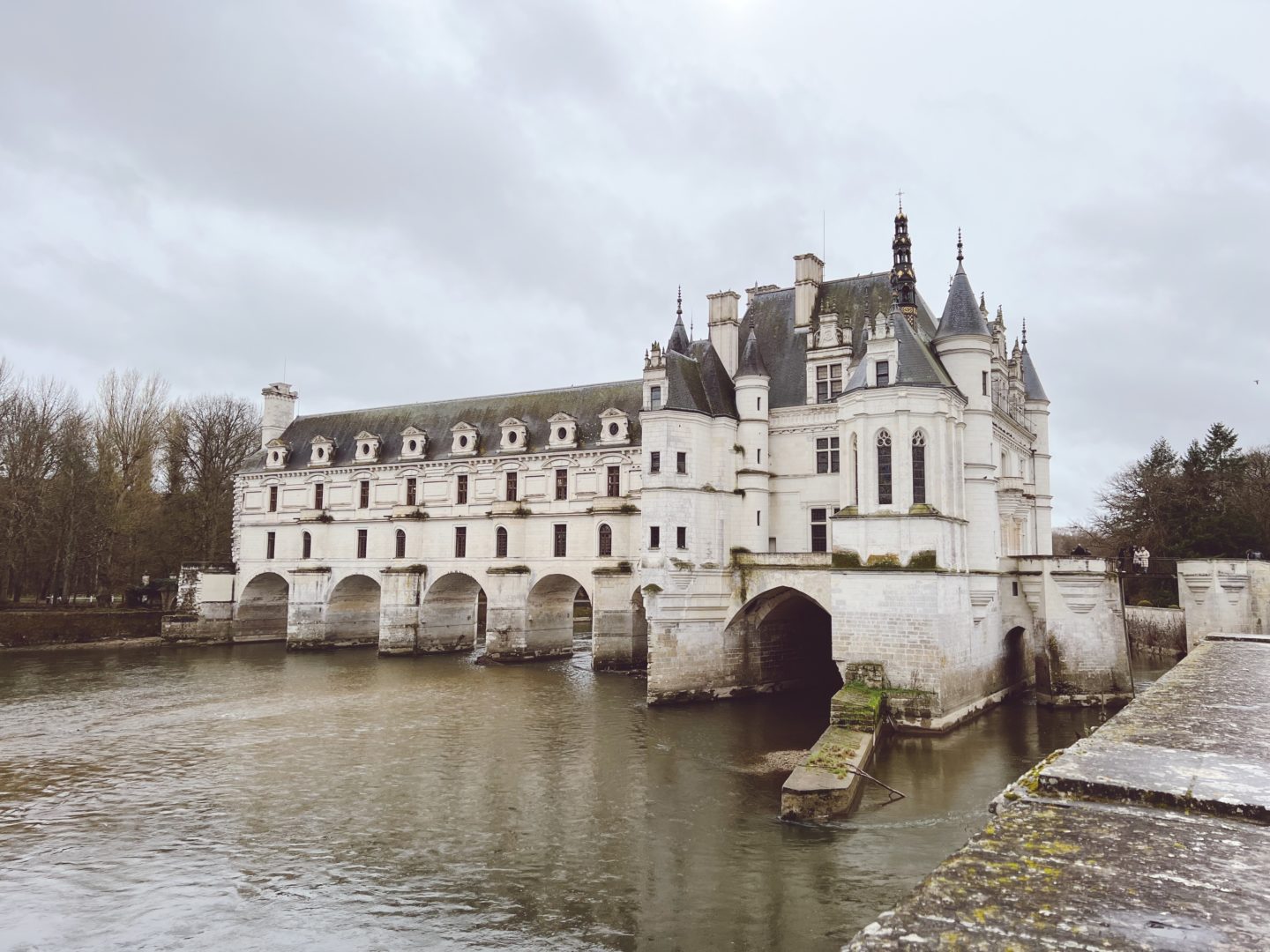
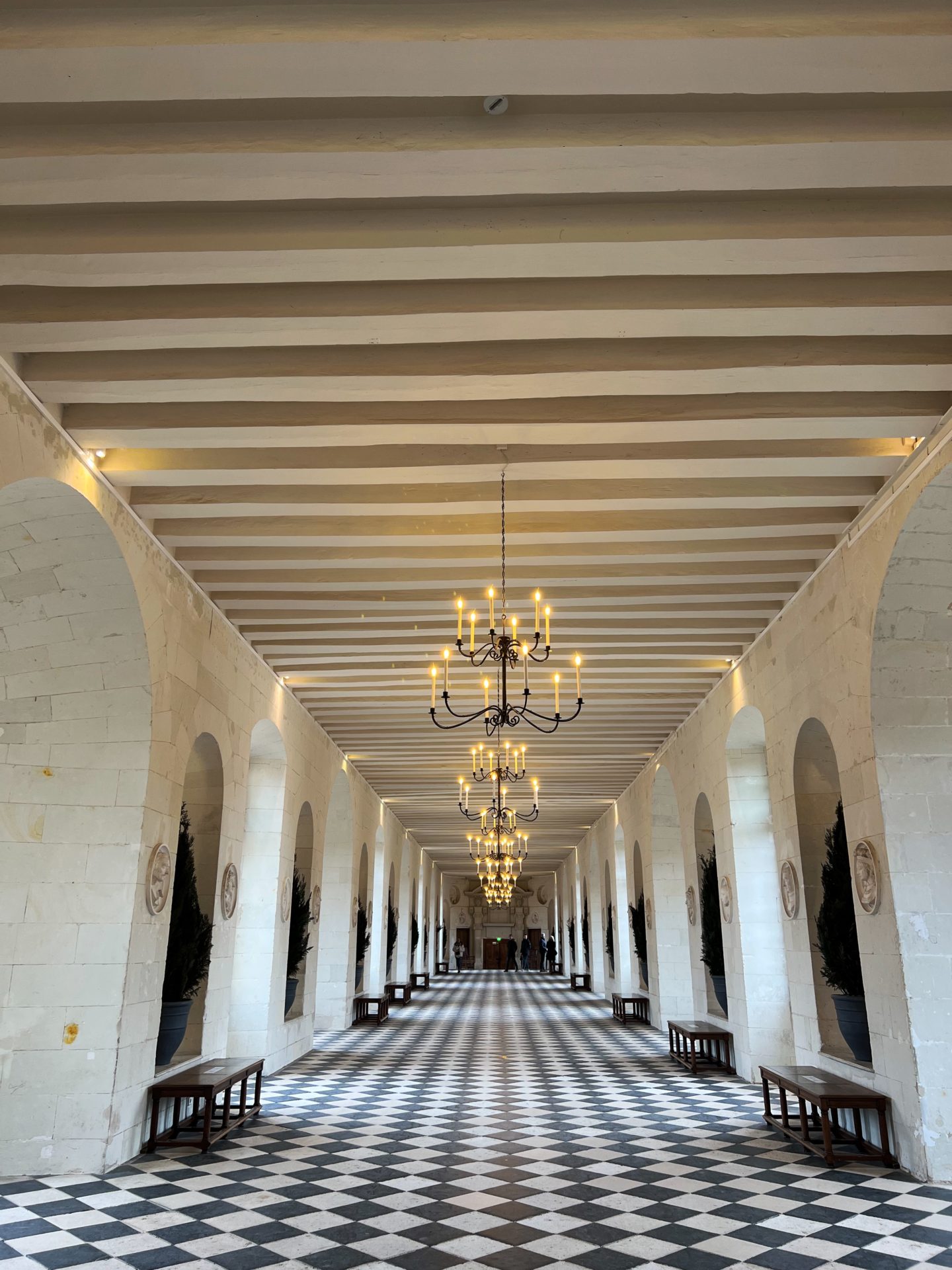
Château Chenonceau – This was my favourite chateau in the Loire Valley and it also happens to be dubbed the ‘Ladies Castle’ thanks to its history of female owners. This famous chateau is highly recognisable due to its arched bridge, making it one of the most photographed chateaus in the region. Inside, the chateau remains largely in tact and you can get a great history with a guided tour. Entry is €19 in 2026, or €24 with the audioguide, and it is open every day of the year. Arrive at opening time in summer, when the gallery over the Cher fills quickly.
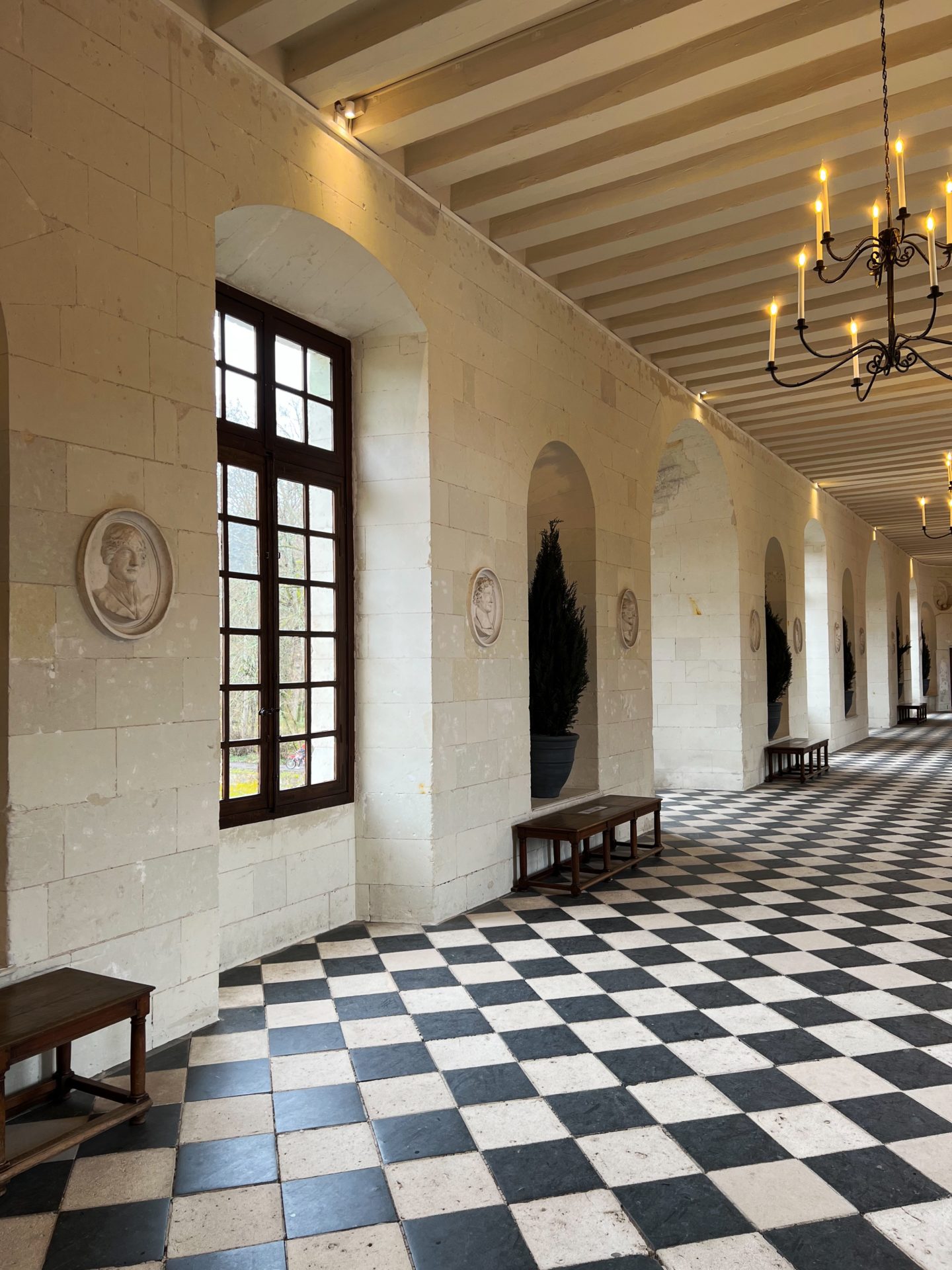
Château Cheverny – This is one of the few chateaus in Loire Valley that is not only family-owned, but the family still lives permanently inside the chateau as their residence. The gardens are a highlight, plus the Orangerie when it is open during the summer months. There are also little boats that make their way around the lake, which is a lovely way to lap up the summer sun! A château and gardens ticket is €15.50 and Cheverny is open 365 days a year.
Château de Villandry – Château de Villandry is known for its gardens, which spring to life in the warmer months and make this particular chateau worth going out of your way for (it is farther from Paris). Visit between May and October for the kitchen gardens at their best. Tickets are around €14 for the château and gardens, or €8.50 for the gardens only.
Château Sully-sur-Loire – Château de Sully-sur-Loire is a castle of grand proportions and still to this day, feels as if you have stepped inside a fairytale.
Château Royal d’Amboise – If you find yourself visiting Amboise, it makes perfect sense to add the Château Royal d’Amboise to your itinerary as it is located in the heart of the city. I had the pleasure of visiting a few years ago on a whirlwind weekend from Paris, which is what sparked my desire to return for a longer trip years down the line!
The best cities and towns in Loire Valley to visit
But there’s so much more to the Loire Valley than racing around ticking off your chateau bucket list (though there is nothing wrong with doing that, too!) However the small towns and charming cities along the Loire River are well worth a visit too, so be sure to consider these stopover cities and towns throughout your journey. It can also help to break up the regality of chateaus and bring back down to earth!
Orléans
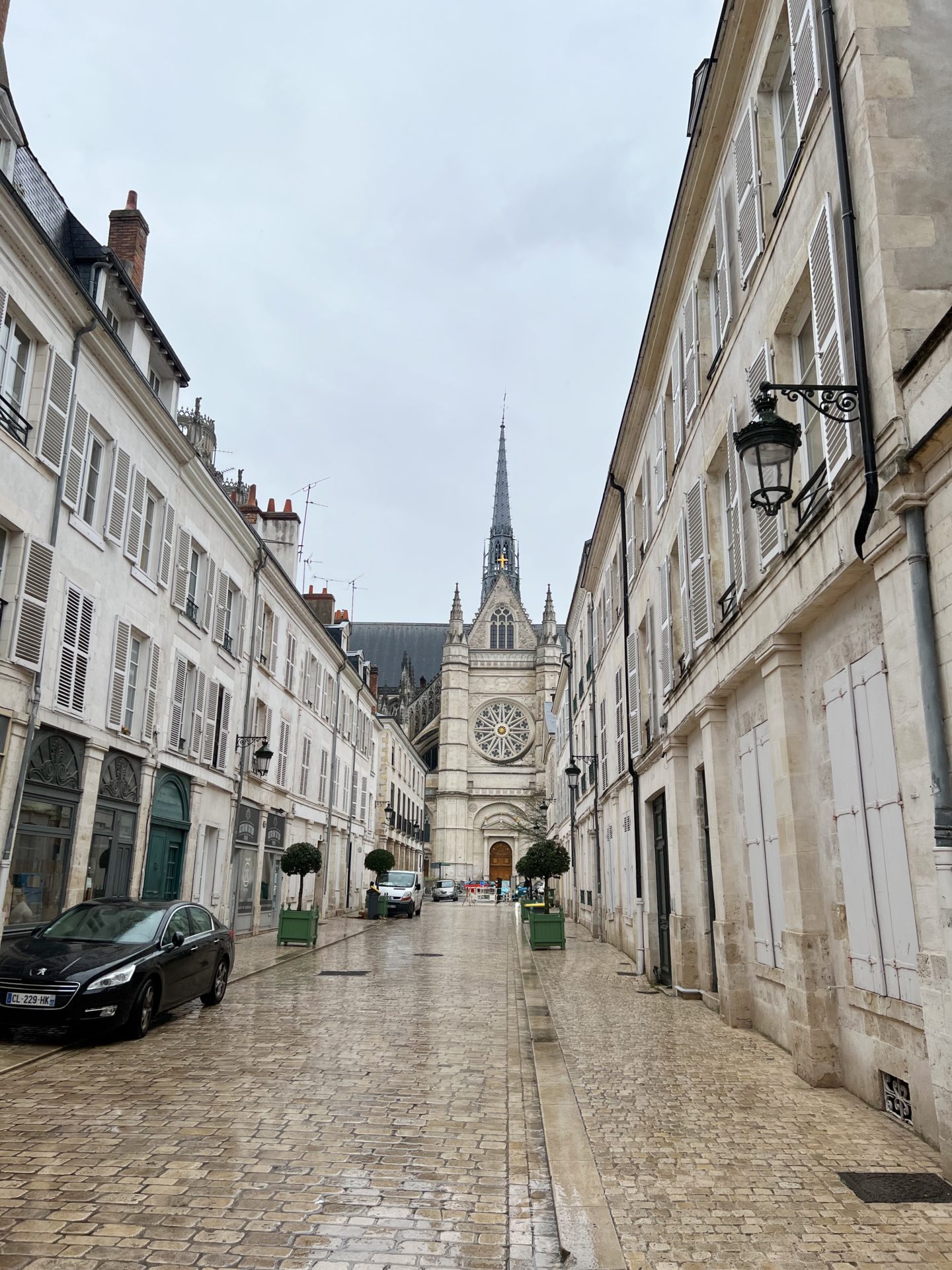
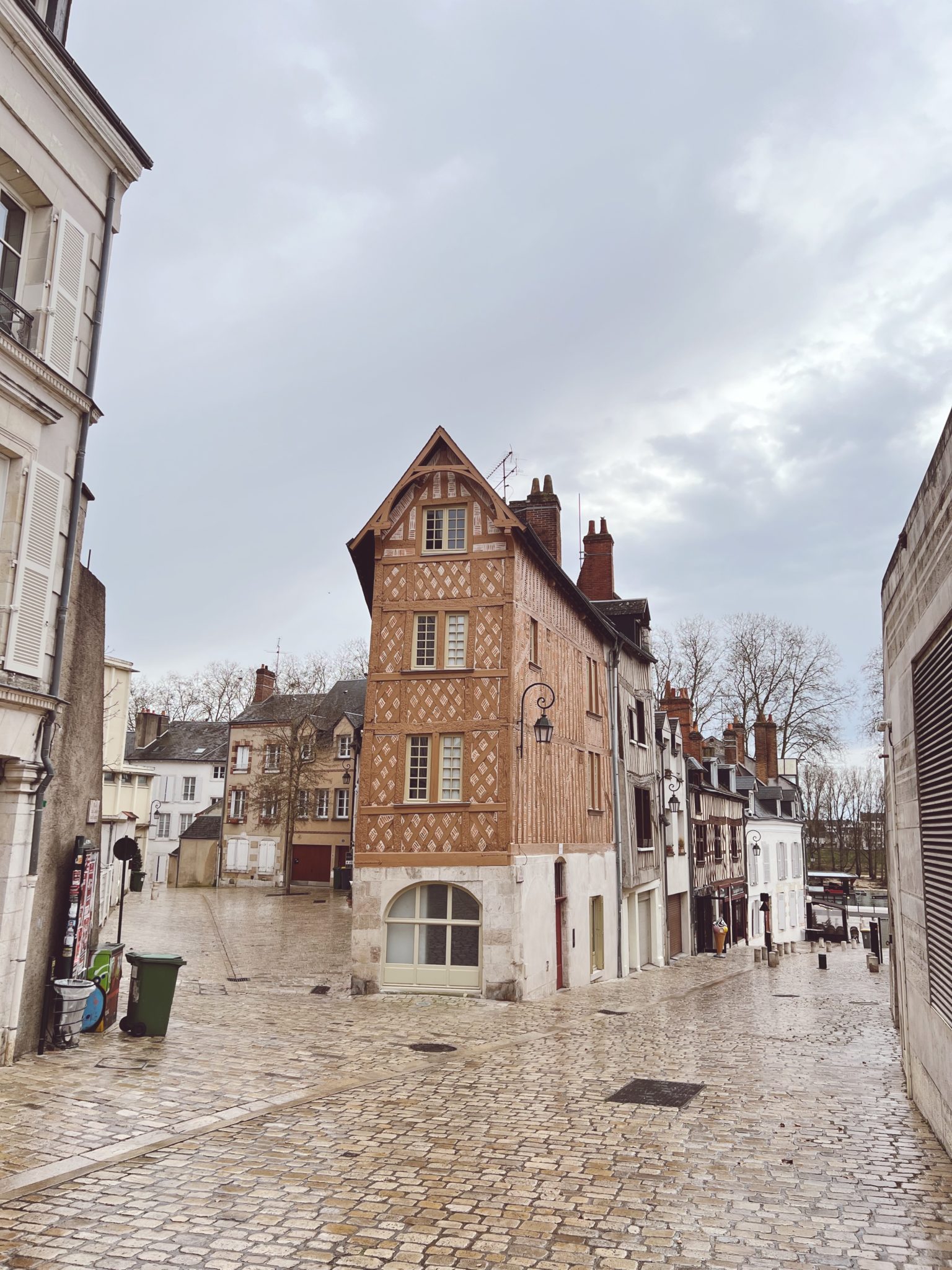
From Paris, it should take you around 2 hours to reach the city of Orléans. Or at least, that’s what I was told when departing Paris Charles de Gaulle airport! But the truth is you can run into traffic delays getting out of Paris and for me, there were quite a few delays getting through the Paris morning traffic. It almost took me double the time!
But when I did finally reach Orléans, it was worth the wait. This is a great first port of call to make in Loire Valley – especially if you’re looking to make a pit stop for lunch. There are a bunch of great cafes and restaurants around town, which is best explored on foot. Afterwards you can take a boat ride on the Loire River (weather permitting) or rent a bicycle to discover the paths out of the city.
Stay the night: Escale Oceania Orléans
Blois
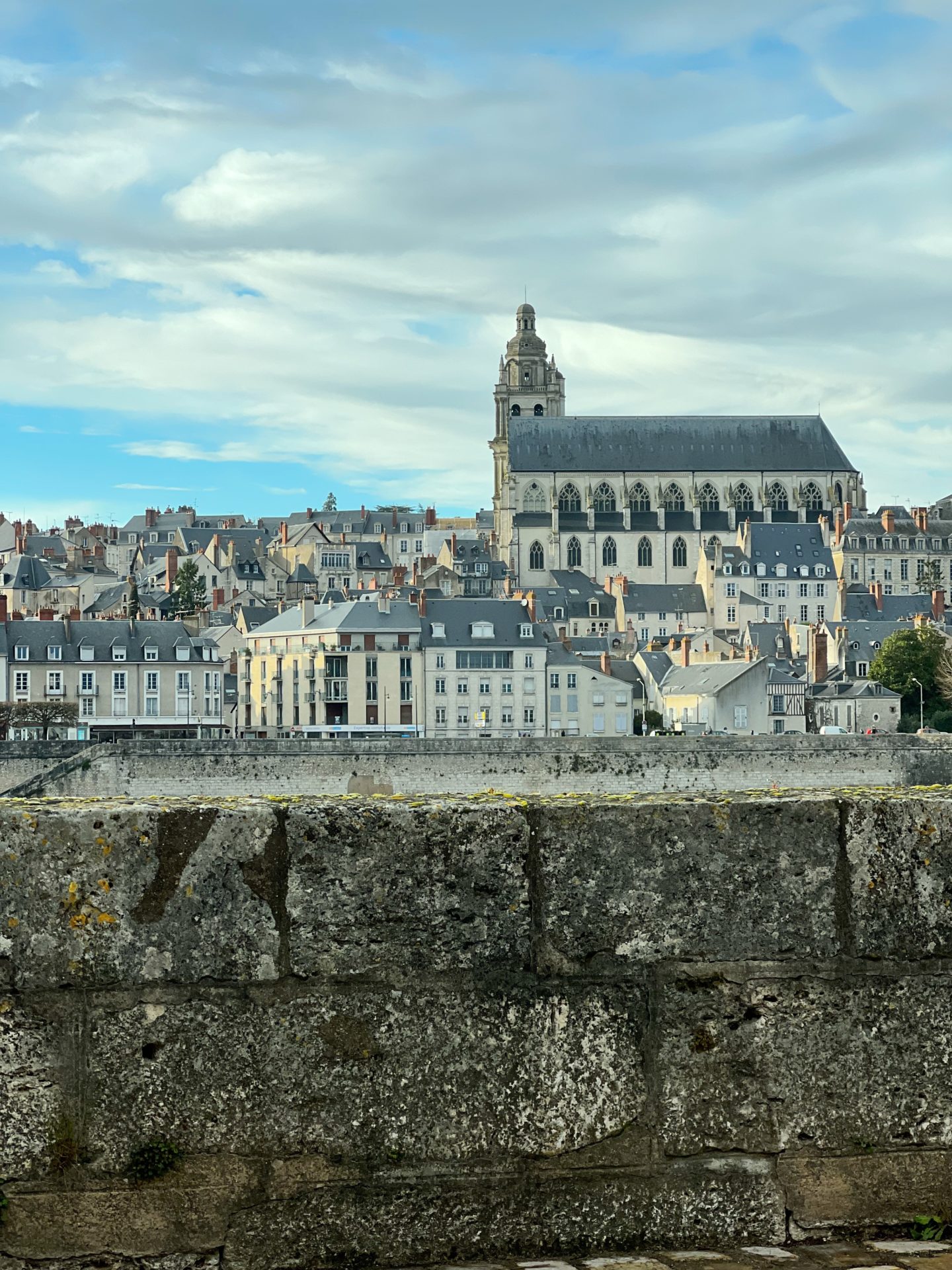
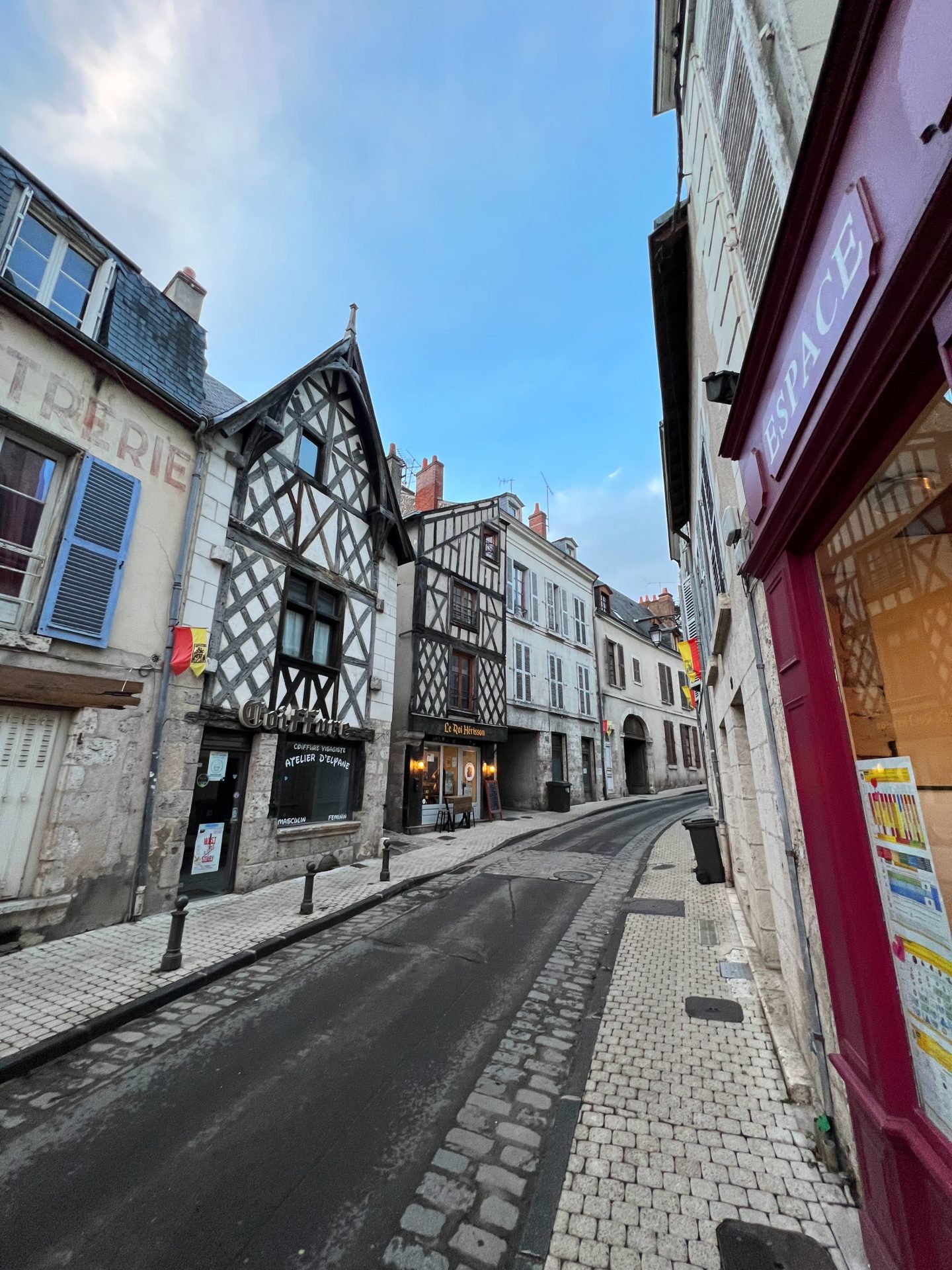
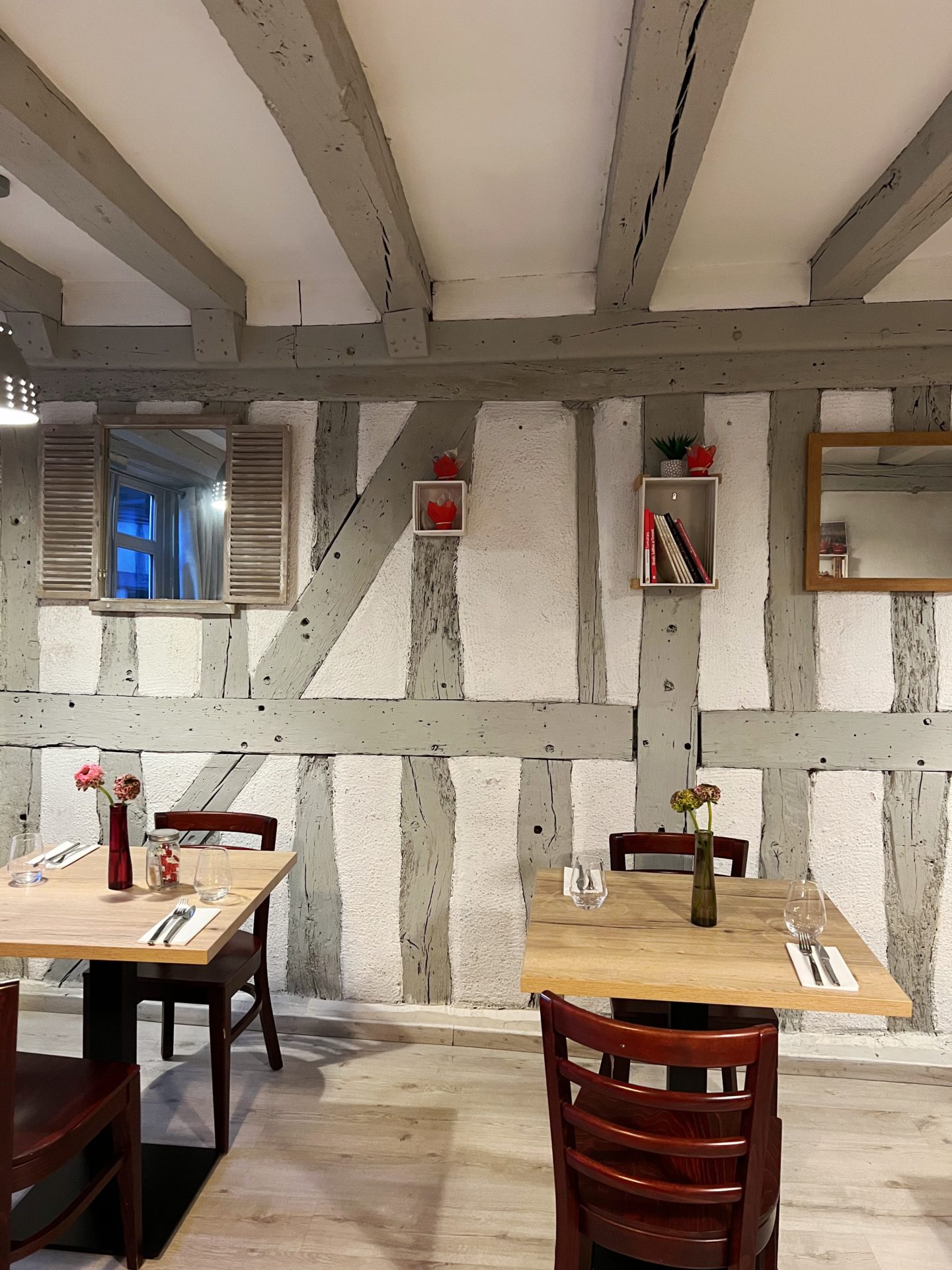
I found myself in Blois by chance and I’m oh so glad I did! If you ask me, this is the most charming city in the Loire Valley. The city is built steeply on a hill overlooking the Loire River, meaning you have great views from high up and can watch the sun setting in peace. I also had a chance to visit the local farmer’s market on Saturday (highly recommend), as well as dine at Petit Honfleur for a delicious meal of seasonal and local produce.
Stay the night: La Perluette Bed and Breakfast
Tours
Tours is a university town, meaning you will surely find plenty of liveliness on the weekends (and even on some weekdays after dark!) It is a beautiful city to wander around, especially once you discover Vieux Tours, the medieval part of town.
Stay the night: Ferdinand Hotel Tours
A three-day Loire Valley itinerary
Day 1: Paris to Orléans and Blois
Collect a hire car in Paris or take the train (Paris Austerlitz to Orléans or Blois takes around 1 to 2 hours). Lunch in Orléans, then continue to Blois for the Château Royal de Blois and a sunset walk through the old town. Stay at La Perluette or check in early at Les Sources de Cheverny, 20 minutes south.
Day 2: Chambord and Cheverny
Be at Chambord for opening to beat the tour buses, then spend the afternoon at Cheverny and its gardens. End the day with dinner at Le Favori, the Michelin-starred restaurant at Les Sources de Cheverny.
Day 3: Chenonceau, Amboise and Villandry
Start early at Chenonceau, lunch in Amboise beneath the Château Royal, then finish in the gardens of Villandry. Spend the night in Tours, or drive on to the Château du Rivau near Chinon for a night inside a fairytale castle.
Where to stay in the Loire Valley
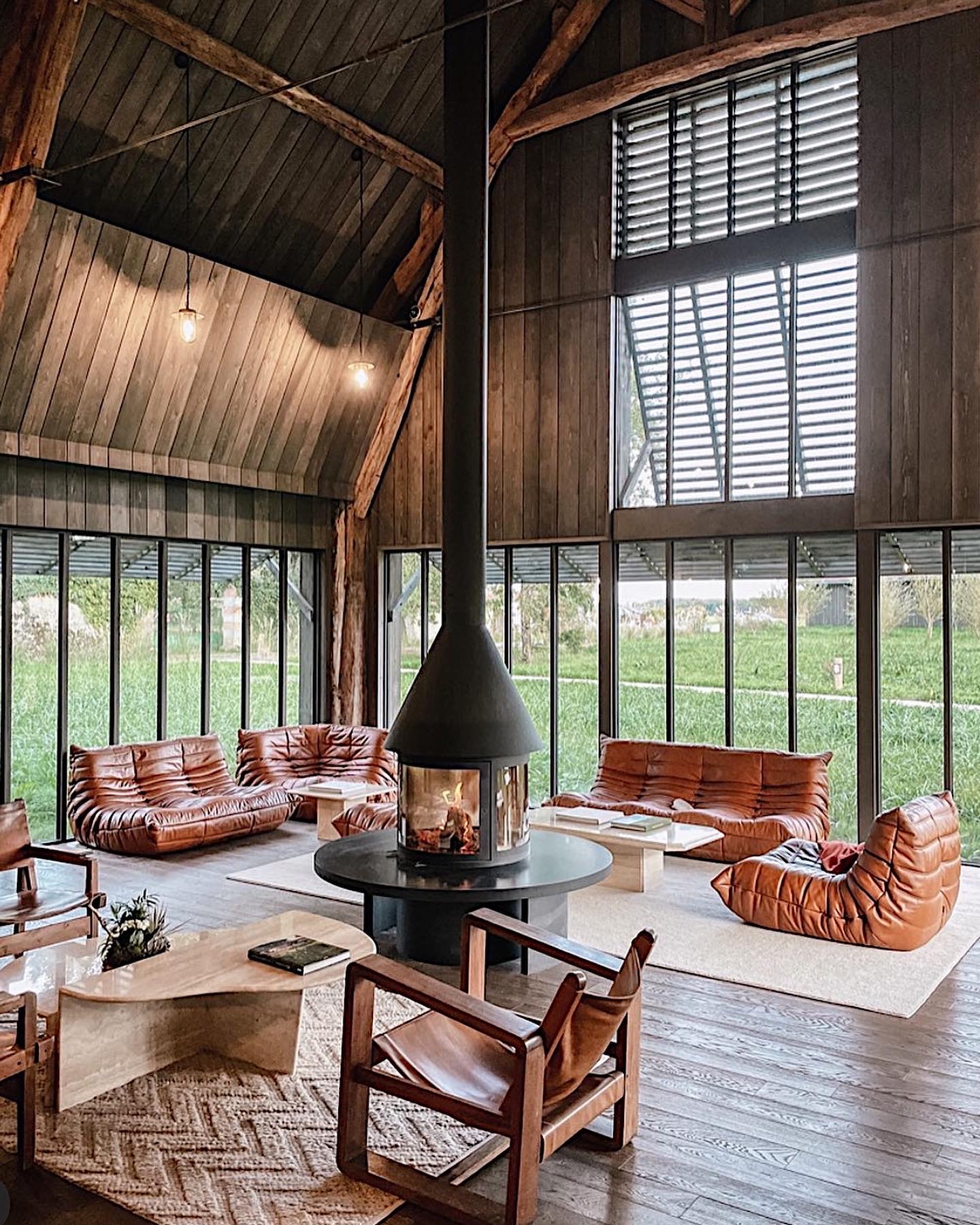
Les Sources de Cheverny is my pick for a luxury base. It has 49 rooms and suites set among vineyards and forest, a Caudalie spa, and two restaurants including the Michelin-starred Le Favori. Rooms start from around €240 per night.
Hôtel du Château du Rivau lets you sleep in the grounds of a storybook castle known for its gardens. Rooms start from €250 per night and suites from €340, with breakfast €25 per person. The hotel opens seasonally, from April to early November.
La Perluette is a charming B&B in Blois with rooms from around €150 per night.
Rates are a guide for 2026 and vary by season, so check live prices for your dates.
When to visit the Loire Valley
Late April to June and September to mid-October are the sweet spots. The gardens are in bloom, the vineyards are green or golden, and you avoid the July and August crowds. Winter is quiet and atmospheric, but some gardens and seasonal hotels close.
Tickets and getting around
You can buy château tickets on arrival, but book online for Chenonceau and Chambord between May and September to skip the queues. A car gives you the most freedom, as the châteaux are spread out and public transport between them is limited. If you prefer not to drive, base yourself in Tours or Blois and join small-group château tours.
I flew to France with Singapore Airlines from Brisbane via Singapore to Paris, then hired a car at Charles de Gaulle airport for three nights and four days in the Loire Valley.
Loire Valley FAQs
How many days do you need in the Loire Valley?
Three days is enough to see the headline châteaux, including Chambord, Chenonceau, Cheverny and Villandry, plus a town or two. With a week you can slow down, add wine tastings and visit lesser-known châteaux.
Which Loire Valley château is the best?
Chenonceau is my favourite for its setting over the River Cher and its well-preserved interiors. Chambord is the grandest from the outside, and Villandry is unmatched for gardens.
Can you visit the Loire Valley as a day trip from Paris?
Yes. High-speed trains reach Tours in around an hour, and guided day tours run from Paris. But you will see far more, at a calmer pace, if you stay at least two nights.
Do non-EU visitors pay more at the châteaux?
At some, yes. In 2026 Chambord charges €31 for visitors from outside the European Economic Area, compared with €21 for EEA visitors. Chenonceau and Cheverny currently list a single adult price for all visitors.
Planning more of France? Read my guides to the 20 incredible places to visit in France and the best places in the French countryside.

Brooke is a Tasmanian-born writer and professional baker who started World of Wanderlust in 2013 and has since travelled to 86 countries. These days her guides focus on what she knows best: the bakeries, hotels and places worth crossing the world for.
